Essential Skills for Culinary Success: Mastering the Fundamentals of Recipe Execution
What Are the Key Elements That Create a Successful Recipe?
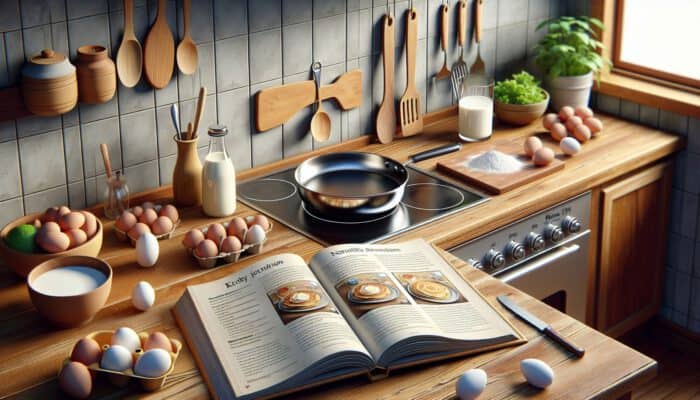
Every triumphant recipe is constructed from three essential components: ingredients, steps, and tools. The ingredients deliver the vital components necessary for the dish, while the steps delineate the method of preparation, and the tools specify the equipment needed throughout the process. For instance, a traditional pancake recipe incorporates flour, eggs, milk, and a frying pan, illustrating how these elements establish a robust foundation for culinary success. By grasping these components, you enhance your cooking abilities, allowing for the preparation of meals that are both efficient and precise, ultimately paving the way for culinary achievements.
How to Identify Essential Tools and Ingredients for Streamlined Cooking?
Identifying the necessary tools and ingredients in any recipe is paramount for ensuring a smooth and enjoyable cooking experience. Begin by concentrating on universal techniques, such as inspecting your pantry for all required ingredients before commencing the cooking process, which significantly improves efficiency and accuracy. Furthermore, organising your kitchen space is crucial; group similar items together, keep frequently used tools readily accessible, and allocate specific areas for your cooking essentials. This proactive approach streamlines your cooking process and enriches your overall kitchen experience, empowering you to create meals with enhanced confidence and ease.
How to Deconstruct Recipe Formats for Improved Comprehension?
Recipes can be presented in various formats, including ingredient lists and paragraphs that detail step-by-step instructions. Recognising these layouts enables you to interpret instructions more effectively, ensuring clarity for cooks of all skill levels. Common formats that you may encounter include:
- Ingredient lists followed by detailed steps
- Step-by-step instructions
- Visual diagrams or photographs illustrating techniques
- Time-based sequences guiding cooking
Familiarity with these formats empowers you to swiftly recognise and comprehend various recipe styles, making even the most intricate recipes more approachable and manageable during your culinary explorations.
How to Accurately Interpret Measurements in Cooking?

Accurate measurements are crucial for the success of any recipe, particularly in Australian kitchens, where tools such as scales and cups are commonly employed. Understanding conversions, for example, from grams to ounces or cups to millilitres, is vital for consistently achieving desirable results. To avoid common measurement errors, consider utilising a digital scale for precise weight measurements and ensure you level off dry ingredients when measuring. Mastering this skill significantly enhances your cooking precision and overall culinary performance, leading to consistently improved outcomes in your dishes.
Why Is Following Recipe Steps in the Correct Order So Important?
Adhering to the order of steps in recipes is essential for effective cooking. This practice demands patience and meticulous attention to detail, as certain processes rely on the successful completion of prior tasks. Develop strategies for managing timing, such as prepping all ingredients beforehand and using a timer for critical cooking stages. Moreover, keep safety tips in mind to prevent kitchen accidents, ensuring that even novice cooks can create delicious and satisfying results with minimal hassle. Following the steps in the correct sequence not only enhances your skills but also elevates the overall quality of your culinary creations.
How Does Recipe Reading Foster Culinary Skill Development?
How to Recognise the Sequence in Cooking Steps for Optimal Results?
Understanding the logical sequence of cooking steps can significantly minimise errors and enhance the cooking process overall. By recognising how timing and progression influence outcomes, home cooks can optimise their results. For instance, sautéing vegetables prior to adding broth enriches the flavour profile of soups. This awareness allows cooks to appreciate the importance of each step and how they contribute to the final dish, ultimately improving both their skills and the quality of their meals.
How to Adjust Measurements for Various Cooking Requirements?
Adapting measurements is essential for tailoring recipes to meet your specific needs, whether you are preparing for a large gathering or a small family meal. This flexibility in adjusting quantities ensures accuracy in everyday cooking. For instance, if a recipe calls for 500 grams of flour but you require only half, making precise adjustments is critical for preserving the integrity of your dish. Developing this skill enhances your cooking versatility and encourages creativity in the kitchen, allowing you to experiment with different ingredient quantities without compromising quality.
Why Should You Visualise the Final Dish Early in the Cooking Process?
Visualising the final outcome before diving into a recipe is a powerful approach that can significantly guide your cooking journey. This mental preparation assists in planning each step and fosters creativity. Envisioning how the dish should appear and taste enables you to make informed decisions throughout the cooking process, promoting a more intuitive and enjoyable experience. This technique enhances your culinary skills and fosters a deeper connection to the food you prepare, making each cooking session more meaningful and rewarding.
Expert Strategies for Improving Recipe Reading Skills
How to Effectively Master Ingredient Substitutions for Culinary Success?
Understanding how to substitute ingredients is essential for ensuring the effectiveness of any recipe. This skill accommodates personal preferences and considers local ingredient availability. Common substitutions, such as using Greek yoghurt in place of sour cream or employing coconut oil instead of butter, help retain flavour while ensuring safety and satisfaction in your dishes. Mastering ingredient substitutions empowers you to create meals that align with your taste and dietary requirements without sacrificing quality or enjoyment.
Why Is It Vital to Focus on Cooking Times and Temperatures for Consistency?
The significance of cooking times and temperatures cannot be overstated when striving for consistent culinary outcomes. Accurately monitoring these details prevents overcooking or undercooking your meals. Adjusting cooking times based on your oven or equipment, such as using a thermometer for meat, ensures you achieve the desired results every time. This attention to detail is crucial for producing perfectly cooked dishes that delight the palate and meet your culinary aspirations.
How to Clearly Interpret Advanced Cooking Techniques for Enhanced Understanding?
Complex cooking terms, such as braising or whisking, may seem intimidating at first glance; however, breaking them down makes them accessible to all. Understanding these techniques promotes skill development and enables you to incorporate them into your regular cooking practice. For instance, knowing when to use a whisk versus a fork can significantly enhance the texture and overall quality of your dishes. Gaining confidence in these techniques can greatly elevate your culinary repertoire, allowing you to explore diverse cooking styles and methods.
How to Navigate Recipe Measurements and Conversions with Ease?
Mastering measurements involves accurately learning to convert units, which is essential for achieving precision in your dishes. Familiarise yourself with common conversions, such as understanding cups, tablespoons, and millilitres. Effectively using tools like measuring cups and digital scales guarantees that every ingredient is accurately represented, leading to more consistent and successful results in your cooking. This foundational skill is crucial for both novice and experienced cooks alike, enhancing your overall culinary competence and confidence.
How to Organise Ingredients for a Seamless Cooking Experience?
Mise en place, which translates to “everything in its place,” is vital for ensuring a smooth cooking process. Sorting and preparing ingredients before you start cooking reduces errors and enhances efficiency. Label your containers and arrange items according to the sequence of the recipe to ensure a professional cooking experience every time. This practice not only saves time but also allows you to focus on the creative aspects of cooking without unnecessary distractions, resulting in a more enjoyable culinary journey.
Proven Techniques for Reading Recipes Like a Seasoned Chef
How to Check for Dietary Considerations When Cooking?
Scanning for allergens and dietary preferences is crucial for safe meal preparation. Key indicators to watch for in recipes include:
- Common allergens such as nuts and dairy that may affect diners
- Substitutions for vegan or vegetarian diets to accommodate different lifestyles
- Gluten-free options for those with sensitivities
- Health-related modifications that align with dietary needs
Thorough checks can prevent adverse reactions and ensure that everyone enjoys the meal, promoting inclusivity and satisfaction at the dining table while fostering a considerate cooking environment.
How to Establish a Routine for Effective Recipe Review?
A systematic approach to reviewing recipes can save time and enhance cooking efficiency. Develop a habit of previewing each recipe before you start cooking to identify potential challenges or necessary adjustments. This technique streamlines your workflow and allows for a smoother cooking experience, ultimately leading to more enjoyable meal preparations and successful culinary endeavours.
How to Enhance Flavour Profiles Through Thoughtful Annotations?
Utilising recipe annotations to personalise flavours is a creative strategy that can significantly elevate your cooking. Taking notes on spices, herbs, or cooking methods allows you to balance elements and achieve the desired taste. Experimenting with ingredients based on previous feedback can lead to innovative and delightful culinary outcomes, encouraging a more dynamic and fulfilling cooking style.
What Are the Benefits of Practicing Recipe Reading Skills?
How Does Regular Practice Enhance Confidence in the Kitchen?
Consistent practice in reading recipes cultivates psychological advantages, such as reducing anxiety and boosting creativity in the kitchen. Tracking your progress over time reveals improvements in your cooking skills, further enhancing your confidence and encouraging a willingness to experiment with new dishes. This growing confidence transforms your cooking experience into a more enjoyable and fulfilling activity, empowering you to tackle new culinary challenges with enthusiasm and assurance.
How to Explore Variations in Recipe Styles for Broader Culinary Skills?
Adapting to different recipe presentation formats broadens your culinary applicability. Exposure to diverse styles, such as visual guides or concise bullet-point lists, facilitates a more versatile cooking approach. This adaptability develops through experience, as you become more comfortable navigating various formats, ultimately enhancing your overall cooking proficiency and confidence in the kitchen.
Why Is It Important to Prioritise Accuracy When Following Recipe Steps?
The role of precision in achieving desired culinary outcomes is paramount. Prioritising accuracy prevents errors and ensures that your dishes turn out as intended. Refining your techniques through repetition enhances your ability to follow recipes effectively, paving the way for the successful execution of more complex dishes. This focus on accuracy elevates the quality of your cooking, leading to consistently excellent results.
How Does Recipe Reading Improve Time Management Skills in Cooking?
Regularly engaging with recipes fosters better time management in meal preparation by teaching efficient planning and sequencing. Implementing timing tasks effectively reduces waste and builds routines that streamline cooking processes, making everyday cooking more enjoyable and less stressful. Mastering these skills allows you to create delicious meals while managing your time effectively, enhancing both your culinary experience and overall kitchen performance.
Practical Applications of Recipes in Everyday Cooking
What Common Challenges Can Arise When Reading Recipes?
Obstacles such as unclear instructions can hinder your ability to navigate recipes successfully. To overcome these challenges, take actionable steps, such as breaking down complex instructions into simpler components or seeking visual aids online that clarify methods. Understanding the context behind instructions can significantly enhance clarity and your capacity to execute the recipe successfully, ensuring a more satisfying cooking experience.
How to Integrate Recipes into Meal Planning for a Balanced Diet?
Incorporating effective reading skills into your daily routines can help you achieve balanced meals effortlessly. For instance, planning weekly menus based on your recipe collection allows for varied and nutritious options. Adapting recipes to fit within your schedule encourages healthy eating while maintaining excitement and diversity in your cooking. This proactive approach fosters a sustainable and enjoyable culinary experience, ensuring that you and your family benefit from a diverse range of meals.
How to Refine Cooking Skills Through Consistent Practice?
Ongoing improvement methods, such as repeated practice, are essential for enhancing proficiency in cooking. Engaging in iterative learning by preparing the same recipe multiple times allows you to refine your techniques and develop a deeper understanding of flavours and textures. This process leads to mastery over time, empowering you to create dishes confidently and skillfully while also exploring new culinary avenues and possibilities.
Frequently Asked Questions About Recipe Reading Skills
How Can I Improve My Recipe Reading Skills for Better Cooking?
Regularly practising reading different recipe styles, focusing on understanding measurements, and taking notes on your experiences will build confidence and enhance your skills in the kitchen.
What Should I Do If I Don’t Have an Ingredient for My Recipe?
Consider suitable substitutions based on the role of the ingredient in the recipe. Research common swaps and experiment with options that maintain the dish's flavour and texture for successful outcomes.
How Critical Are Measurements in Baking for Consistent Results?
Measurements are crucial in baking as they directly affect the chemistry of the ingredients. Accurate measurements ensure consistent results and successful outcomes in baked goods, leading to delightful treats.
Can I Adjust Cooking Times for Different Appliances to Achieve Better Results?
Yes, you can adjust cooking times based on the specific appliance. Familiarity with your equipment allows you to make informed decisions for optimal results, enhancing your culinary creations.
What Is the Concept of Mise en Place in Cooking?
Mise en place is the practice of prepping and organising all ingredients before cooking. It streamlines the cooking process, reduces errors, and enhances efficiency, contributing to a more enjoyable culinary experience.
Why Is It Beneficial to Read Recipes Before Starting to Cook?
Reading recipes in advance allows you to understand the flow of preparation, anticipate challenges, and ensure you have all necessary ingredients and tools, leading to a smoother and more enjoyable cooking experience.
How Can I Become More Creative with Recipes and Cooking?
Experiment with flavour combinations, make annotations based on personal preferences, and don’t hesitate to modify recipes to suit your tastes, which encourages creativity and innovation in the kitchen.
What Are the Most Common Mistakes When Reading Recipes?
Common mistakes include misinterpreting measurements, skipping steps, or not understanding terminology. Take time to clarify instructions to prevent errors and enhance your cooking success.
How Does Regular Cooking Impact My Skills and Confidence in the Kitchen?
Regular cooking fosters skill development, enhances confidence, and improves your ability to navigate recipes effectively, leading to better outcomes and a more enjoyable cooking experience overall.
Where Can I Find Diverse Recipes to Practice My Cooking Skills?
Explore cookbooks, food blogs, and culinary websites that offer a wide variety of recipes from different cuisines, helping to expand your repertoire and skills while keeping your cooking journey exciting.
Connect with Us on Facebook for More Culinary Insights!
The post How to Read a Recipe Like a Pro: Master the Essentials appeared first on Cooking Gods
The Article Read a Recipe Like a Pro: Master Essential Tips Was Found On https://limitsofstrategy.com


No responses yet