Are You Experiencing Challenges with Safe Driving After Dusk?
Struggling with poor night vision can severely hinder your capacity to drive safely once darkness descends. This prevalent issue impacts numerous drivers, resulting in reduced confidence and an increased likelihood of accidents on the road. Acknowledging the difficulties associated with nighttime driving is crucial not only for your safety but also for the protection of other road users.
In this in-depth guide, we delve into the various factors contributing to compromised night vision and offer practical strategies aimed at enhancing your visual clarity during nighttime driving. From understanding the importance of eye health in relation to night vision to exploring the latest advancements in biometric lens technology, our objective is to empower you with the knowledge required to navigate nighttime roads with greater confidence and security.
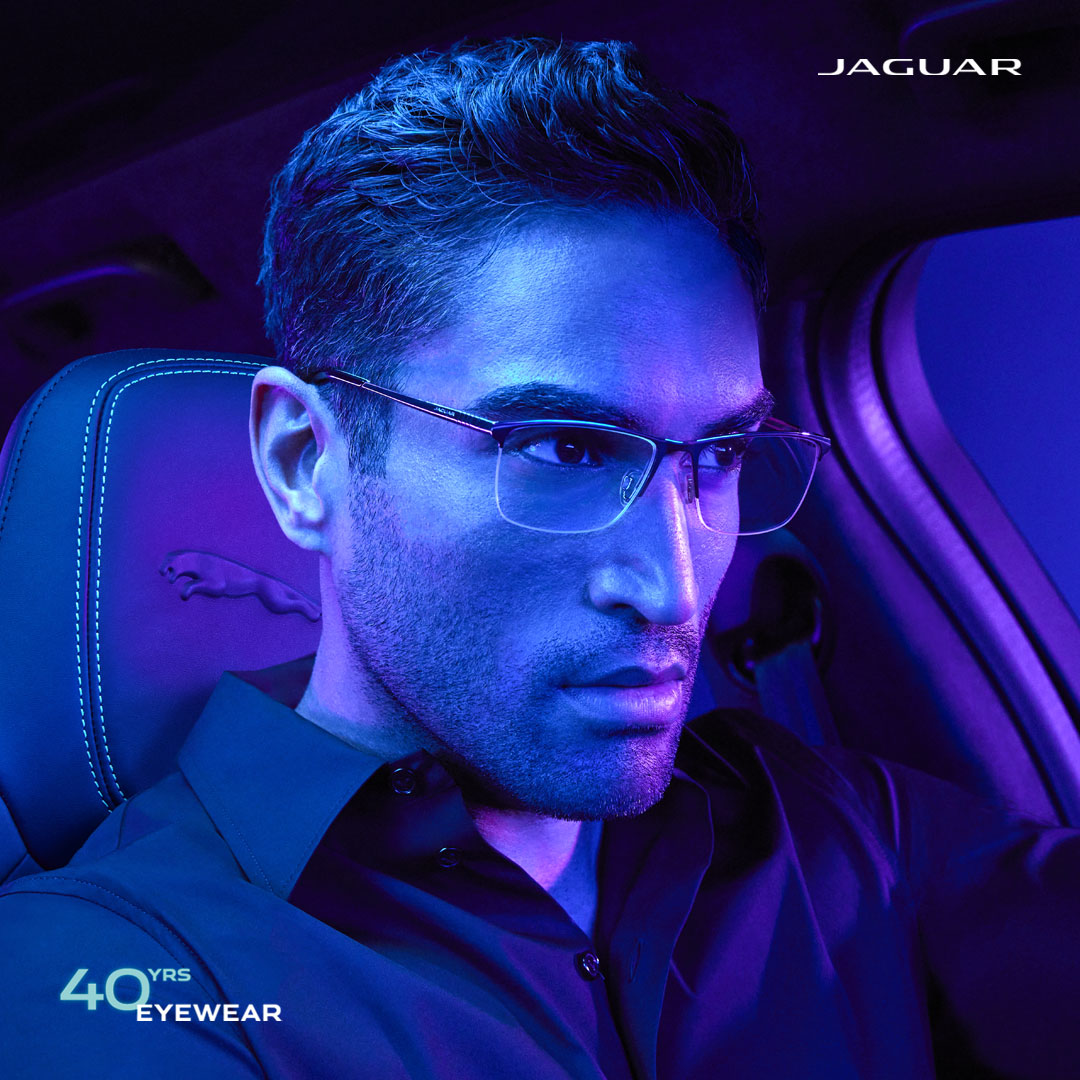
Can a Qualified Optometrist Assist with My Night Vision Challenges While Driving?
Absolutely, consulting an optometrist is the most effective way to address your night vision difficulties encountered during driving. At Eyes By Design, we take a holistic approach that extends far beyond a standard eye examination, ensuring a thorough evaluation of your visual health.
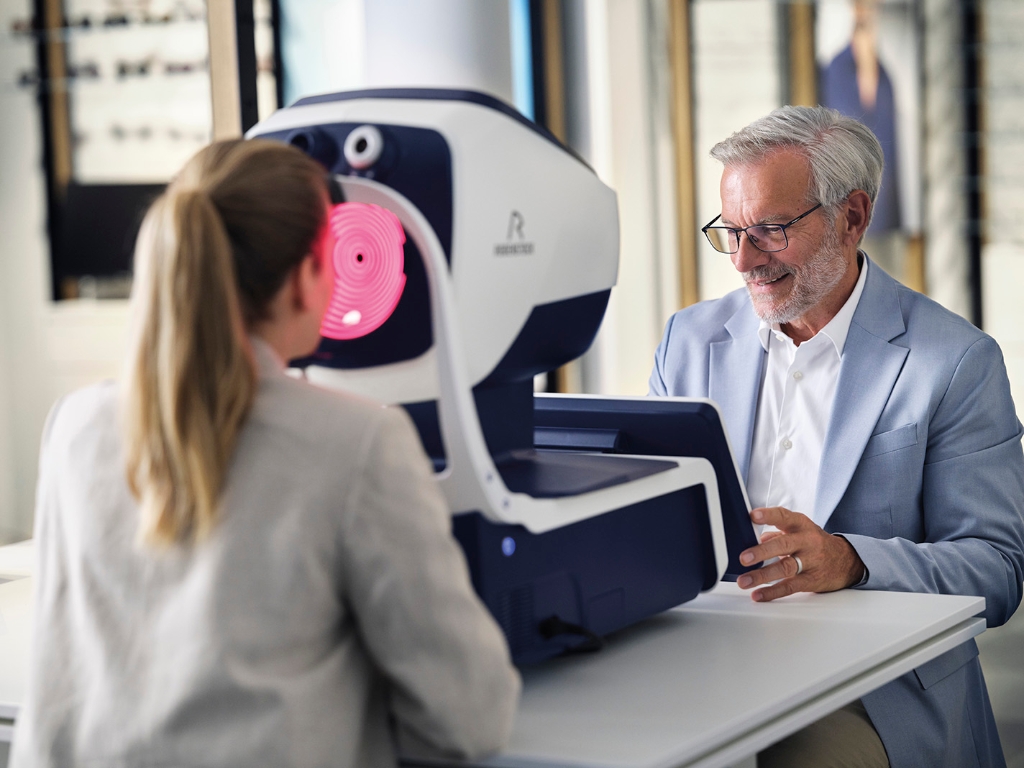
A skilled optometrist can perform a comprehensive assessment of your vision and identify any underlying health issues or vision impairments that may be contributing to your difficulties. Our practice employs state-of-the-art diagnostic testing, including high-resolution imaging of your retina and nerve layers, as well as precise measurements of both the anterior and internal structures of your eyes. This meticulous examination aids in identifying any conditions that might be impacting your night vision.
What Are the Five Essential Factors Affecting Night Vision While Driving?
Several potential causes can lead to challenges with night vision while operating a vehicle:
1. The Influence of Refractive Errors on Your Night Driving Experience
Experiencing blurry vision can impede your ability to notice critical details on the road and can amplify the glare from oncoming headlights, complicating safe driving. Even minor prescription errors can drastically impair your night driving capabilities, as your pupils dilate in low light, exacerbating any optical imperfections present.
2. How Medical Conditions Can Impact Night Vision
Various medical conditions, such as cataracts, macular degeneration, glaucoma, and diabetic retinopathy, can significantly limit your night vision capabilities. Regular comprehensive eye examinations are crucial for the early detection and management of these potentially debilitating conditions, ensuring that you maintain optimal vision health.
3. The Effects of Glare from Oncoming Headlights
In recent years, modern LED and HID headlights have become considerably brighter than traditional halogen bulbs, leading to more intense glare. This glare from approaching vehicles or streetlights can be particularly disorienting and is one of the most frequently voiced concerns among our patients.
4. The Challenges of Dark Adaptation for Drivers
Your eyes require time to adjust to lower lighting conditions. Transitioning from a brightly lit area to a dimmer one can take a few moments, which can be especially challenging when driving. This adjustment period tends to slow down with age, highlighting the importance of being mindful of your night vision requirements.
5. How Sleep and Fatigue Affect Your Night Driving Ability
Insufficient sleep or undiagnosed sleep disorders, such as sleep apnoea, can significantly impact your concentration and reaction times while driving at night. Fatigue can severely compromise your night vision and overall driving safety, making it imperative to address any sleep-related issues you might be experiencing.
Discover Innovative Biometric Lens Technology for Enhanced Night Driving
At Eyes by Design, we utilise groundbreaking technology designed to revolutionise your night vision experience: the Rodenstock DNEye® Scanner. This remarkable device is among the few available in Australia and is exclusive to the Central Coast of NSW, highlighting our dedication to providing the highest quality vision solutions.

What Makes Biometric Lenses Exceptional for Night Driving?
The DNEye® Scanner gathers over 7,000 precise measurements for each eye, including:
- The exact dimensions and shape of your eye
- How light penetrates and travels through your eye
- Your unique day AND night vision profiles
- Corneal curvature and pupil size, which are critical for night vision
- Your dominant eye and personal visual preferences
This extensive data forms a complete biometric model, enabling us to design B.I.G. EXACT lenses by Rodenstock specifically tailored for YOUR eyes, optimised to enhance driving in low-light conditions.
Experience Significant Benefits with Biometric Lenses Designed for Night Drivers
- Safer night driving: Experience up to a 40% reduction in glare and fewer halos from oncoming headlights
- Improved low-light vision: Achieve enhanced contrast in dim lighting conditions
- Wider field of clear vision: Minimise peripheral distortions essential for spotting potential hazards
- Crystal-clear vision: Lenses ground to reduce aberrations that can worsen at night
- Optimised for your pupil size: Unlike standard lenses, our lenses account for how much your pupils expand in the dark
Arrange Your Comprehensive Eye Examination Today
Following your detailed assessment, we can recommend customised solutions specifically designed to tackle your night vision challenges.
Our team can identify eye conditions such as cataracts or macular degeneration and coordinate treatment to mitigate their impact on your vision. We provide corrective solutions through glasses, contact lenses, or specialised lenses crafted to enhance contrast and diminish glare. Additionally, we may propose vision therapy to improve your ability to see clearly at night.
The Key to Clear and Accurate Vision
Once we manage any existing eye diseases, ensuring you have the clearest vision possible will allow you to perceive the maximum level of detail required while concurrently reducing the impact of oncoming headlight glare. This is an essential strategy for improving your night vision.
Utilising our standards of clinical excellence, advanced technology, and a focus on behavioural and functional optometry, we evaluate not only your prescription but also how your vision impacts your concentration, comfort, and safety during nighttime driving.
Explore Custom-Made Lenses for Optimal Night Driving Performance
Lenses specifically crafted for you using biometric technology frequently provide the most effective solution for night vision challenges. Constructed from durable materials specifically designed to minimise distortions, these lenses ensure optimal clarity and longevity. The effectiveness of these lenses is further augmented by suitable coatings.
Premium Lens Materials We Use
At Eyes by Design, we exclusively utilise high-quality lens materials:
- Ultra-thin glass: Offers exceptional optical clarity with minimal distortion
- Maui Brilliant: An advanced polymer material renowned for its superior optical properties
- Evolution materials: Lightweight, durable, and optically superior
These materials are meticulously ground using your biometric data to reduce peripheral lens distortions and come equipped with anti-reflective and subtle mirror coatings that effectively reflect distracting peripheral light glare.
Understanding the Significance of Anti-Reflective Coating for Night Driving Glasses
Anti-reflective (AR) coatings are vital in enhancing your nighttime driving experience. These coatings remove reflections from both the front and back surfaces of your lenses, thus reducing glare from oncoming headlights and streetlights, which can distract and hinder your ability to see clearly.
How Does AR Coating Improve Night Vision?
This transparent coating enhances contrast and allows more light to reach your eyes. Beyond minimising glare, the AR coating also improves the aesthetic appeal of your glasses. By reducing reflections off the front surface of the lenses, your glasses appear more attractive, making it easier for others to see your eyes.
Overall, incorporating AR coating onto prescription lenses significantly boosts visual clarity and diminishes glare during nighttime driving, making it safer and more manageable for you to navigate the roads.
At Eyes by Design, all our premium lenses come equipped with advanced multi-layer AR coatings, ensuring you enjoy the best possible experience while driving at night.
Can Blue Light Filters Enhance Your Night Driving Experience?
Some individuals find that blue light filters assist in reducing glare and eye strain during nighttime driving, though their effectiveness can vary from person to person. These filters can be particularly advantageous for drivers sensitive to the blue light emitted by modern LED headlights.
A blue light filter can be added as an additional feature on top of an anti-reflective coating, potentially softening the harshness of oncoming LED headlights. We can discuss whether this option may be beneficial for your specific scenario during your examination.
Should I Consider Over-the-Counter Yellow-Tinted Glasses for Night Driving?
Short answer: No.
Yellow-tinted lenses that lack any corrective prescription have been marketed as a solution for night driving challenges. They are said to enhance contrast and filter blue light. However, any tinting, regardless of colour, is not advisable for nighttime driving as it diminishes the total light entering your eyes, ultimately compromising visual performance—the opposite of what you require at night.
Why Yellow-Tinted Glasses Are Ineffective
- They do not correct any blurriness or aberrations in your vision
- They do not address disparities between your eyes
- Many are manufactured from low-quality materials under extreme heat, which can warp or distort the lenses
- The materials are prone to scratches and often degrade quickly
- They reduce the overall quantity of light reaching your eyes, which is critical for night vision
- They do not provide any legitimate prescription correction
What truly works: Properly prescribed lenses tailored to your specific needs, biometrically designed for your unique eyes, complete with premium AR coatings.
Selecting the Right Frames for Optimal Night Driving Vision
Choosing suitable frames is equally crucial for achieving optimal night driving vision. At Eyes by Design, we provide premium brands that seamlessly combine style with functionality:
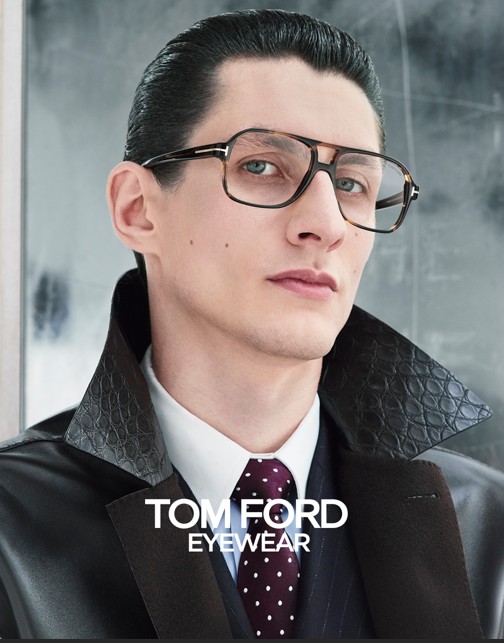
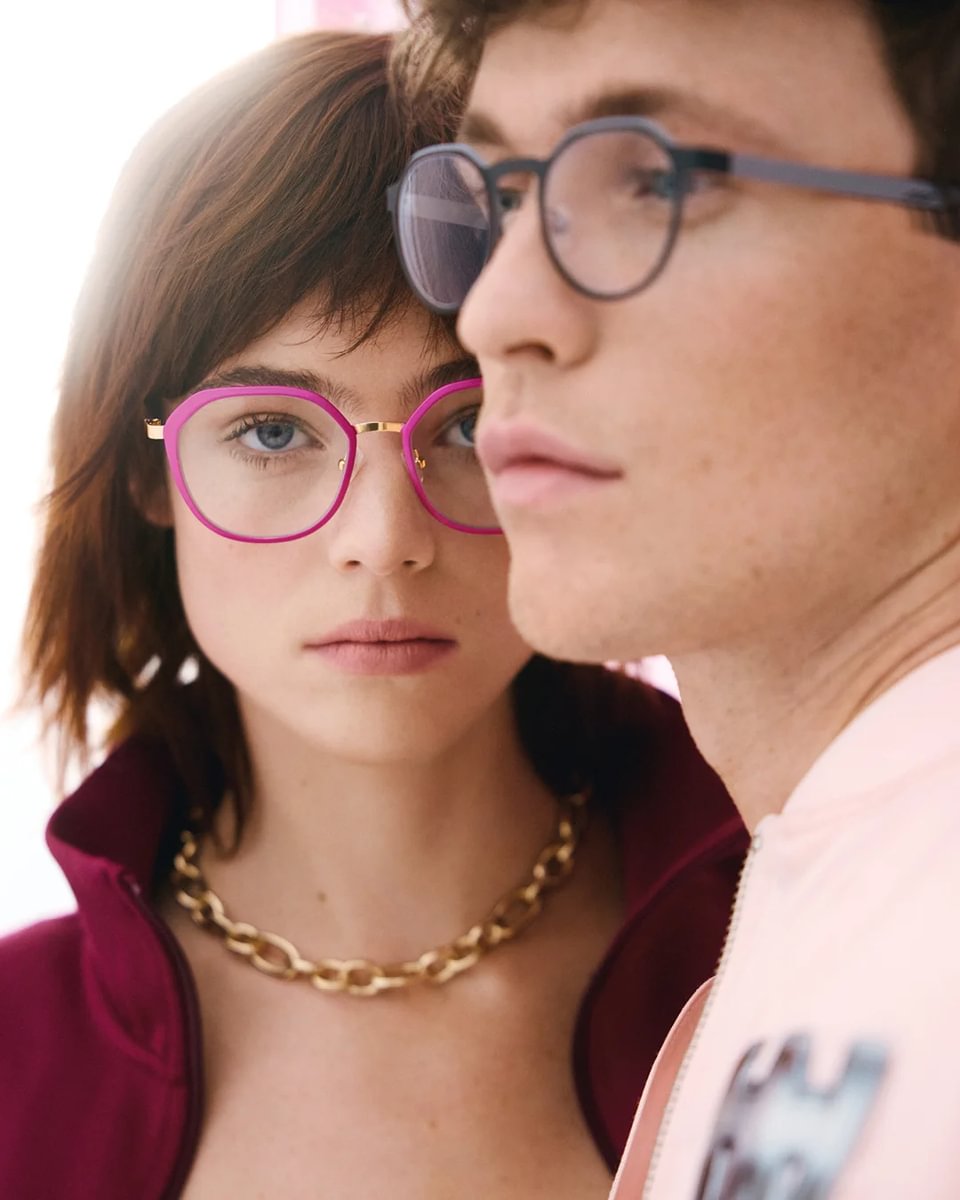
Discover the Benefits of Maui Jim Prescription Sunglasses
While primarily designed for daytime use, Maui Jim sunglasses incorporate advanced lens technology and frame designs that offer exceptional peripheral vision. We can create prescription Maui Jim sunglasses specifically for daytime driving, effectively minimising glare without compromising your visual clarity.
Explore our Maui Jim options today.
Choosing Frames Optimised for Night Driving
We will assist you in selecting frames that:
- Provide exceptional peripheral vision without obstruction
- Fit comfortably on your face for optimal lens alignment
- Are lightweight and comfortable for extended wear
- Accommodate the lens size necessary for your prescription and visual needs
Choosing the right frames is a crucial aspect of the process; ill-fitting frames can misalign lenses, negating the advantages of even the most advanced biometric lenses.
Our Holistic Approach to Enhancing Night Vision
Step 1: Performing a Comprehensive Eye Examination
We conduct a thorough eye examination that exceeds standard procedures and requires more time than you may be accustomed to. This involves:
- A complete assessment of your eye health
- Accurate refraction and prescription determination
- Biometric scanning using the DNEye® Scanner
- Evaluation of how your vision influences your driving capabilities
- Advanced diagnostic testing as needed
Step 2: Custom Lens Design Tailored Specifically to You
Utilising your biometric data, we create B.I.G. EXACT lenses specifically designed for your eyes, optimised for nighttime driving conditions. We consider:
- Your exact prescription
- Your pupil size in various lighting conditions
- The path light travels through YOUR unique eyes
- Your peripheral vision requirements
- Your individual driving habits and preferences
Step 3: Premium Coatings and Materials for Maximum Performance
We utilise only the highest quality materials and consistently incorporate advanced multi-layer AR coatings to optimise light transmission while minimising glare.
Step 4: Professional Fitting and Adjustment for Comfort
Correct fitting is essential. We ensure your glasses are positioned accurately on your face so that the optical centres of the lenses align perfectly with your eyes for optimal vision.
Step 5: Comprehensive Follow-Up Care for Your Peace of Mind
We provide a three-month vision warranty. Should any adjustments or lens replacements be necessary, these will be covered at no additional cost. Our commitment is to ensure you achieve the best possible vision for safe night driving.
Frequently Asked Questions About Night Driving Vision
Why Do I Observe Halos Around Lights When Driving at Night?
Seeing halos around lights at night can stem from various factors, including uncorrected refractive errors, cataracts, large pupil size, corneal irregularities, or poorly designed lenses. By utilising biometric lens technology, we can reduce or entirely eliminate halos by crafting lenses that accommodate your pupil size and how light interacts with your unique eyes. The DNEye® Scanner measures your night vision profile, enabling us to customise your lenses for optimal performance in low-light conditions.
Can Cataracts Contribute to Poor Night Vision?
Yes, cataracts are one of the primary causes of diminished night vision. They cause the lens of your eye to become cloudy, scattering light and resulting in halos and glare around headlights. This effect is especially pronounced at night when your pupils are dilated. If you notice a decline in your night vision, a comprehensive eye examination can help detect cataracts early. While cataracts typically require surgical intervention, optimised lenses can assist in managing symptoms until surgery becomes necessary. Learn more about cataracts and related eye conditions.
How Frequently Should I Schedule Eye Exams If I Experience Night Vision Issues?
If you are facing challenges with your night vision while driving, it is crucial to have your eyes examined as soon as possible. Once your vision has been corrected and optimised, we recommend annual comprehensive eye exams. Subtle changes in your vision often go unnoticed, and conditions affecting night vision can develop gradually. Regular check-ups ensure that any changes are detected early and that your prescription remains current, enhancing safety during nighttime driving.
Are Premium Glasses Worth the Investment for Night Driving?
Absolutely, when it comes to ensuring safety during nighttime driving, investing in premium biometric lenses is invaluable. Traditional lenses are manufactured using standardised measurements that fit only about 2% of individuals perfectly. Premium B.I.G. EXACT lenses by Rodenstock are custom-made using over 7,000 measurements of your unique eyes, offering up to a 40% improvement in night vision, reduced glare and halos, and enhanced driving safety. The difference in visual clarity and safety, particularly at night, is substantial and can ultimately be life-saving.
What Distinguishes Regular Glasses from Those Specifically Optimised for Night Driving?
Standard glasses are produced using average measurements and conventional lens designs. Conversely, glasses specifically designed for night driving, utilising biometric technology, are custom-crafted based on your unique eyes, encompassing your night vision profile and pupil size in low-light conditions. These specialised glasses feature premium AR coatings and materials selected to minimise distortions. They are precisely ground to accommodate how light interacts with YOUR eyes at night. The result is significantly reduced glare and halos, improved contrast in low light, and expanded fields of clear vision—elements that are critical for safe nighttime driving.
What Steps Should I Take If I Am Facing Challenges with Night Driving?
Schedule an evaluation with your optometrist at Eyes by Design. We will assist you in discovering the most effective solutions for your night vision difficulties through our thorough examination, advanced diagnostic testing, and innovative biometric lens technology.
Do not compromise your safety while driving at night. The combination of precise diagnosis, biometric measurements, high-quality materials, and expert fitting can significantly enhance your night driving experience.
Book Your Comprehensive Eye Examination Today
Are you ready to experience safer, more comfortable night driving? Contact us to arrange your comprehensive eye examination, including biometric scanning.
- Phone: (02) 4369 8169
- Email: enquire@eyesbydesign.com.au
- Visit Us: Kincumber Centre, Shop 6, 39 Avoca Drive, Central Coast, NSW
- Hours: Weekdays 9:00 AM to 5:00 PM
At Eyes by Design, we are dedicated to excellence. Your vision is unique, and your lenses should be too—especially when it comes to the critical aspect of safe night driving.
Explore Our Related Services:
Biometric Lenses – Discover more about our DNEye® Scanner technology
Multifocal Glasses – Specialised biometric lenses tailored for all distances
Digital Eye Strain – Effective relief for tired eyes and screen fatigue
The dedicated team at Eyes By Design possesses extensive experience in addressing various eye conditions and all matters related to vision.
Book an appointment for an eye test today and undergo a comprehensive examination to explore potential improvements for your night driving experience.
Poor Night Vision When Driving? Here's How We Can Help in 2026
The Article: Poor Night Vision When Driving? Here’s How We Can Help in 2026 first appeared on https://writebuff.com
The Article Night Vision Issues While Driving? Discover Solutions for 2026 Was Found On https://limitsofstrategy.com


No responses yet