Master the Art of Organising Your Kitchen for Swift Meal Preparation
Essential Kitchen Tools for Effortless Cooking Success
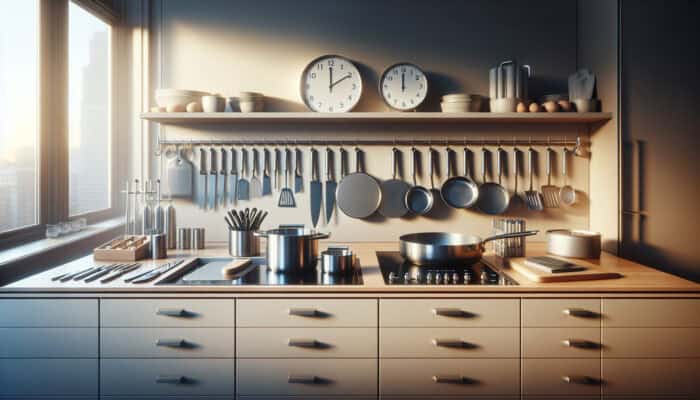
To genuinely accelerate your cooking process, it is essential to organise your kitchen space effectively by carefully selecting tools and utensils that enhance your culinary efficiency. Equip your kitchen with fundamental items such as sharp knives, sturdy pans, and measuring cups, which are vital for facilitating quick meal preparations. This deliberate organisation significantly alleviates stress and promotes smoother workflows in your daily cooking routines, enabling you to prepare dinner in a swift 15 minutes. When every second counts in the kitchen, having your essential tools within reach not only saves time but also enriches your complete culinary experience. A well-organised kitchen fosters efficiency and boosts your confidence, allowing you to concentrate on crafting delicious meals without unnecessary delays.
Which Key Ingredients Should You Prioritise for Effortless Meal Preparation?
Stocking your pantry with versatile staples is crucial for creating quick and balanced meals that satisfy your culinary needs. By prioritising the right ingredients, you can eliminate the frantic last-minute trips to the store, all while igniting your creativity in the kitchen. Essential pantry staples include:
- Rice or quinoa
- Canned tomatoes
- Canned beans (such as chickpeas or black beans)
- Pasta
- Frozen vegetables
- Basic spices (like salt, pepper, garlic powder)
- Fresh herbs (such as basil or parsley)
- Eggs
These indispensable ingredients not only facilitate rapid combinations for a variety of dishes but also cultivate a culinary atmosphere where you can effortlessly whip up delicious meals in no time. With a well-stocked pantry, you can confidently explore endless culinary possibilities without the constant worry of running out of essential ingredients.
How to Create an Efficient Workflow in Your Kitchen?
To reduce delays in your cooking process, establishing a straightforward workflow system is paramount. Arrange your ingredients and tools in an orderly fashion, ensuring that every item you need has its designated place. This method yields consistent results and adapts easily to different culinary requirements. A well-structured workflow allows you to glide through your cooking tasks, from preparation to plating, without unnecessary interruptions. By developing a routine tailored to your cooking style, you can transform mealtime into a more efficient and enjoyable experience, ensuring you maintain the momentum needed to prepare dinner in just 15 minutes.
How Can You Prepare Ingredients in Advance for Speedy Cooking?
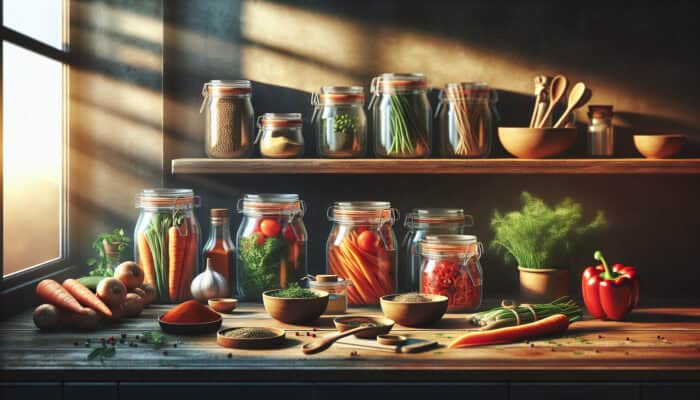
Pre-preparing common ingredients is an excellent technique that saves substantial time during meal preparation. Simple tasks such as chopping vegetables or measuring out spices in advance can dramatically enhance the speed and flow of your cooking process. For example, consider dedicating a few minutes at the start of the week to wash and chop vegetables. This practice allows for instantaneous assembly when you’re ready to cook. When dinner time approaches, having pre-prepared ingredients readily available streamlines the cooking process, enabling you to create dishes quickly and without hassle. Efficiency does not compromise quality; rather, it elevates your culinary capabilities.
What Steps Can You Take to Optimise Your Kitchen Layout for Maximum Efficiency?
Optimising your kitchen layout is integral to boosting your cooking efficiency. Positioning frequently used items within easy reach minimises unnecessary movement and maximises productivity, enabling you to focus on what truly matters: preparing meals. Assess your kitchen setup and rearrange your tools and ingredients to create a streamlined environment. By keeping everything you need close at hand, you can reduce distractions and enhance your concentration, making your quick meal preparation routine significantly smoother. This thoughtful arrangement ensures that you can transition effortlessly between tasks, allowing you to create a delicious dinner in just 15 minutes.
Discover the Best Ingredients for Quick Meal Preparation
How to Select Fresh Produce for Quick Cooking?
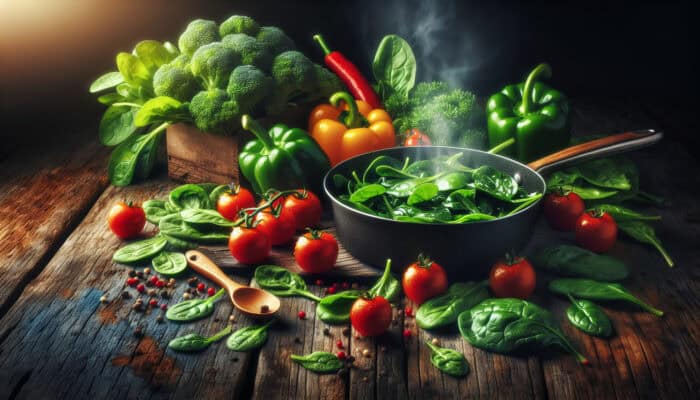
When it comes to preparing quick meals, selecting fresh produce that cooks rapidly is of the utmost importance. Items such as leafy greens, cherry tomatoes, and bell peppers not only enhance the overall quality of your meals but also retain essential nutrients. Choosing fresh, quick-cooking vegetables enables you to prepare nutritious dishes without extending your cooking time. For instance, sautéing spinach or steaming broccoli takes mere minutes, making them ideal candidates for speedy dinners. By prioritising these fresh ingredients, you can ensure that your meals are both healthy and delicious while keeping preparation straightforward and efficient.
How to Effectively Balance Flavours in Your Cooking?
Combining simple spices and herbs with base ingredients can elevate your meals without complicating the cooking process. Understanding how to balance flavours effectively is essential for achieving satisfying results that encourage repeated use in daily cooking. A few well-chosen seasonings can transform a basic dish into something extraordinary. Consider using garlic, lemon, and fresh herbs to brighten up a meal. This knowledge empowers you to create flavourful outcomes in mere minutes, allowing for a delightful culinary experience even during the busiest evenings.
How to Quickly Incorporate Proteins into Your Meals?
Incorporating proteins into your meals swiftly is vital for ensuring they are filling and nutritious. Fast-cooking options like eggs, tofu, or pre-cooked chicken can easily enhance the nutritional value of your dishes. For example, adding scrambled eggs to a stir-fry or tossing in cubes of pre-cooked chicken can make your dinner not only more satisfying but also diverse. Focusing on proteins that require minimal cooking time or are ready to eat supports a routine that fits busy schedules without compromising taste. These straightforward yet effective techniques ensure that you can get dinner on the table without sacrificing quality.
How Does Efficient Time Management Enhance Your Cooking Experience?
What Are the Advantages of Meal Planning for Greater Efficiency?
Planning your meals is a powerful strategy for saving time in the kitchen. When you anticipate your cooking steps, you can execute recipes seamlessly, improving your overall efficiency in meal preparation. By dedicating time to plan your week’s meals, you can organise your shopping list accordingly, ensuring you have all necessary ingredients at your fingertips. This foresight significantly reduces errors and stress during busy weeknights, making dinner preparation a stress-free habit. When time is well-managed, you can focus on the joy of cooking rather than the pressure of deadlines.
What Tools Can Help You Master Timing in the Kitchen?
Utilising timers or cooking apps can significantly enhance your efficiency in the kitchen. These tools assist you in monitoring cooking stages accurately, preventing overcooking and ensuring optimal results. By setting timers for each stage of your meal preparation, you can multitask effectively without the fear of burning or overcooking your food. This practice builds confidence, allowing you to handle quick meals efficiently while mastering the timing aspect of cooking, which is crucial for creating a delicious dinner in just 15 minutes.
How to Streamline Your Chopping Techniques for Speed?
Adopting efficient chopping techniques can greatly save you precious minutes during meal preparation. Mastering skills such as dicing vegetables swiftly is key to enhancing your overall cooking experience. For instance, using a sharp knife and proper hand positioning can significantly increase your speed while maintaining safety. Additionally, investing in a high-quality chef’s knife can make a world of difference in terms of efficiency. By focusing on these skills, you will not only improve your outcomes but also find greater enjoyment in the cooking process, making it easier to whip up delicious meals on even the busiest of days.
How to Multitask Safely While Cooking?
Multitasking is a valuable skill in the kitchen, allowing you to handle multiple tasks simultaneously. However, safety should always be your top priority to prevent accidents while saving time. For example, while water is boiling for pasta, you can chop vegetables or prepare your sauce at the same time. By learning to juggle tasks effectively, you enhance your efficiency and reduce the overall cooking duration. This skill not only makes meal preparation faster but also transforms the cooking experience into a more manageable and enjoyable activity. Remember, practice makes perfect; the more you multitask, the better you will become at managing your time in the kitchen.
How to Delegate Cooking Tasks When Collaborating with Others?
When preparing meals with family or friends, assigning roles based on strengths can significantly expedite the cooking process. This teamwork approach fosters collaboration and minimises wait times, transforming cooking into a quicker and more enjoyable group activity. For instance, one person can handle chopping vegetables while another cooks the protein. By distributing tasks, you not only enhance productivity but also create an opportunity for bonding over food. This collaborative spirit makes the kitchen a lively space where everyone contributes, allowing you to enjoy a delicious dinner in record time.
Expert Tips for Achieving Dinner in Just 15 Minutes
What Advanced Preparation Tips Can Assist You in Creating Quick Meals?
Optimising your routine through advanced preparation is key to achieving speed without sacrificing quality. Simple steps like pre-washing and chopping ingredients can drastically reduce cooking time. For instance, professional chefs often dedicate a portion of their day to prep, ensuring everything is ready when it’s time to cook. This practice not only streamlines the process but also enhances the overall culinary experience, enabling seamless meal execution. By adopting such techniques, you can elevate your cooking while enjoying the benefits of efficiency, ensuring that dinner is ready in just 15 minutes.
How to Optimise Your Ingredient Selection for Quick Meal Preparation?
Choosing multi-purpose ingredients is vital for creating meals that are both balanced and efficient. This expert analysis delves into the importance of selecting versatile items that can adapt to a variety of recipes. For example, ingredients like chicken, quinoa, and seasonal vegetables can easily be combined in countless ways, providing a robust foundation for many dishes. This guidance simplifies your cooking process, ensuring you can whip up nutritious meals quickly by drawing on established techniques that save time and effort in the kitchen.
How to Master Timing Strategies for Quick Cooking?
Timing is crucial in fast cooking scenarios. Experts recommend sequencing tasks to fit within time constraints, ensuring that you stay on track while preparing meals swiftly. For example, starting with the longest tasks—such as boiling water or marinating proteins—while simultaneously preparing quicker items leads to a more efficient process. This strategic approach not only enhances speed but also boosts your confidence in the kitchen, allowing you to master the art of making a delicious dinner in just 15 minutes.
What Are the Benefits of Quick Dinner Recipes?
How to Save Time in Your Daily Routine with Quick Meals?
Quick dinner recipes are immensely beneficial for freeing up time in your daily life. By incorporating these recipes into your routine, you can significantly reduce evening stress, allowing more time to relax or spend with family. This approach to meal planning promotes a healthier lifestyle, as you are less likely to opt for takeout or processed foods when you know you can prepare a wholesome meal in just a few minutes. Embracing quick recipes enables you to reclaim your evenings, making them more enjoyable and stress-free.
How to Enhance Nutritional Value in Fast Meals?
Simple tweaks can greatly enhance the nutritional value of fast meals. By focusing on nutrient-dense choices, you can maintain health benefits even when time is limited. For example, adding leafy greens or opting for whole grains instead of refined carbohydrates can significantly improve the nutritional profile of your meal. This emphasis on health without lengthy preparation encourages you to make better food choices, supporting your overall well-being while fitting seamlessly into your busy lifestyle.
What Cost-Effective Strategies Can You Use for Budget-Friendly Meals?
Adopting budget-friendly options for your quick dinner recipes ensures that flavour and nutrition remain accessible without excess spending. This approach allows you to make economical cooking decisions while still enjoying delicious meals. Some simple yet satisfying meal ideas include:
- Vegetable stir-fry with leftover rice
- Canned bean tacos
- Pasta tossed with seasonal vegetables
- Omelette with garden herbs
- Simple vegetable soup
- Quinoa salad with roasted vegetables
- Frozen vegetable fried rice
- Chickpea curry with rice
By focusing on affordable ingredients and quick preparation, you can enjoy a plethora of satisfying meals that don’t break the bank, ensuring economical cooking remains practical for everyone.
How to Encourage Healthy Eating Habits with Quick Recipes?
Quick dinner recipes play a crucial role in promoting consistent healthy eating habits. By offering simple, balanced options that fit into busy lifestyles, these recipes encourage the use of whole foods, making nutritious choices enjoyable. The ease of preparation for these meals allows you to prioritise health without sacrificing taste or convenience. This focus on utilising fresh ingredients fosters long-term habits that not only improve your overall well-being but also make cooking enjoyable and satisfying.
What Strategies Can Reduce Food Waste with Efficient Meal Planning?
Efficient, quick dinner recipes utilise minimal, versatile ingredients, significantly reducing excess and spoilage. This approach fosters sustainable practices, such as meal prepping and creative use of leftovers, supporting environmental efforts while keeping your kitchen organised. By focusing on recipes that allow you to use up what you have on hand, you can minimise waste and optimise your grocery budget. This commitment to reducing food waste not only benefits your household finances but also promotes sustainable eating habits for a healthier future.
Proven Strategies for Preparing Dinner in 15 Minutes
How to Build a Versatile Recipe Base for Quick Meals?
Creating adaptable foundations, such as stir-fries or pasta dishes, is essential for quick meal preparation. Experts suggest building a versatile recipe base that allows for quick customisation according to available ingredients. For example, starting with a basic stir-fry recipe can lead to countless flavour combinations simply by changing the protein or vegetables used. This flexibility not only speeds up the cooking process but also keeps meals exciting and diverse, ensuring that you never tire of your quick dinner options.
What Cooking Methods Can You Simplify for Greater Efficiency?
Incorporating cooking methods that require minimal steps can significantly streamline your meal preparation. Techniques such as one-pan cooking or sheet pan dinners yield reliable results while simplifying the process. By simplifying your approach, you can focus on enjoying the cooking experience rather than juggling multiple pots and pans. This method is particularly advantageous when time is of the essence, allowing you to create delicious meals with minimal effort.
How to Easily Add Variety to Your Quick Meals?
Experimenting with different textures and flavours is a fantastic way to keep your meals engaging. This strategy supports ongoing motivation for cooking and helps ensure you don’t fall into a routine of repetitive meals. For example, adding crunchy nuts to a stir-fry or drizzling a tangy sauce over a simple pasta dish can provide delightful contrasts and elevate the culinary experience. By continually exploring new ingredients and flavour pairings, you ensure that your quick dinners remain enjoyable and satisfying, keeping everyday cooking exciting.
How to Make Healthy Choices When Time is Limited?
Why Focus on Whole Foods for Quick Cooking?
Prioritising natural, whole foods is crucial for cooking quickly while ensuring that your meals are wholesome. By selecting ingredients that cook fast and provide essential nutrients, you can maintain a healthy diet even under time constraints. Foods like fresh vegetables, whole grains, and lean proteins are ideal choices for quick meals. This focus not only supports your well-being but also enables quick, nutritious meal preparation. Embracing whole foods as the backbone of your cooking ensures that you can enjoy satisfying meals without compromising on health.
How to Quickly Balance Macronutrients in Your Meals?
Achieving a balanced macronutrient profile in your meals can be done quickly with the right choices. Combining proteins, carbohydrates, and healthy fats efficiently ensures that your meals are nourishing and satisfying. For example, a quick stir-fry with chicken, colourful vegetables, and brown rice provides an excellent macronutrient balance that can be prepared in under 15 minutes. This approach allows you to enjoy delicious meals while meeting your dietary needs, all within a limited time frame.
How to Reduce Unnecessary Additives in Your Cooking?
When preparing quick meals, opting for minimally processed ingredients is essential. This practice preserves health benefits while keeping dishes simple and effective for everyday needs. By focusing on fresh, whole ingredients and avoiding additives, you can create quick, nutritious, and delectable meals. This dedication to simplicity not only enhances your cooking experience but also promotes a healthier lifestyle through mindful eating.
Easy Cooking Techniques for Rapid Meal Preparation
How to Use High-Heat Methods for Quick Cooking?
Employing high-heat cooking techniques, such as sautéing or stir-frying, can significantly speed up the cooking process while locking in flavours. These methods keep your meals vibrant and quick to prepare. High-heat techniques not only reduce cooking time but also enhance the taste and texture of your dishes. For instance, quickly sautéing vegetables maximises their flavour and retains their nutritional value, allowing you to create delicious meals efficiently. Embracing these techniques is key to mastering the art of quick cooking.
How to Simplify Sauces and Dressings for Quick Enhancements?
Creating sauces and dressings that require few ingredients can add depth to your meals without complicating the cooking process. Simple homemade dressings made from olive oil, vinegar, and herbs can quickly elevate a basic salad or pasta dish. This emphasis on simplicity keeps the cooking experience enjoyable while ensuring you have tasty accompaniments ready in no time. A well-crafted sauce can transform your dish, making it both flavourful and appealing without requiring extensive preparation.
How Does Repetition Build Skill in the Kitchen?
Repetition is a powerful tool in the kitchen that builds your cooking skills over time. Practicing basic techniques, such as chopping, sautéing, or boiling, enhances your speed and confidence in meal preparation. Focus on these key techniques:
- Chop vegetables uniformly for even cooking.
- Practice sautéing to master heat control.
- Make basic sauces to gain confidence in flavour balancing.
- Experiment with different grains to learn cooking times.
By repeating these techniques, you not only improve your speed but also foster a sense of accomplishment in the kitchen, making it easier to consistently prepare quick meals.
How to Maintain a Balanced Diet with Fast Meals?
What Are the Benefits of Incorporating Diverse Vegetables for Nutritional Variety?
Adding a variety of vegetables to your quick dishes ensures nutritional balance and enhances flavour complexity. This approach guarantees that every meal is both colourful and healthful. Diverse vegetables not only provide essential nutrients but also contribute to a well-rounded diet. For example, incorporating a mix of greens, colourful peppers, and cruciferous vegetables in your stir-fry will elevate not only the taste but also the overall health benefits of your meal, making even the swiftest dinners fulfilling.
How to Monitor Portion Sizes for Better Health?
Adjusting portion sizes to align with your dietary needs is crucial for maintaining energy levels throughout the day. This practice helps you eat mindfully without extending preparation times. By being aware of serving sizes and adjusting accordingly, you can create meals that nourish without overwhelming. This approach ensures that meal preparation remains quick and effective, while also promoting healthy eating habits.
How to Adapt Recipes for Different Preferences and Enjoyment?
Tailoring recipes to suit various tastes can enhance the dining experience while staying within time limits. This flexibility makes meals enjoyable and encourages experimentation. For instance, adjusting a stir-fry to accommodate different protein preferences—such as chicken, tofu, or tempeh—can create a more inclusive and enjoyable meal for everyone. Adapting your quick recipes helps you maintain variety and satisfaction in your cooking, fostering a positive relationship with food.
What Are Some FAQs About Quick Meal Preparation?
1. What are some quick dinner recipes that can be made in 15 minutes?
Some quick dinner recipes include stir-fried vegetables with tofu or chicken, omelettes loaded with veggies, pasta tossed with olive oil and garlic, and salads topped with canned beans and fresh herbs.
2. How do I prepare ingredients in advance for quick meals?
Preparation can include washing, peeling, and chopping vegetables ahead of time, marinating proteins, and pre-measuring spices. Store them in containers for easy access during cooking.
3. What are the essential kitchen tools for quick cooking?
Vital kitchen tools include sharp knives, cutting boards, non-stick frypans, measuring cups, and mixing bowls. These tools will help streamline your cooking process and enhance efficiency.
4. Can I use frozen vegetables in quick meals?
Absolutely! Frozen vegetables are pre-washed and chopped, making them a time-saving option that can be quickly cooked and added to various dishes while preserving their nutritional benefits.
5. What spices should I always have on hand for quick cooking?
Essential spices include salt, pepper, garlic powder, paprika, and Italian seasoning. These can enhance the flavour of any dish without taking much time to incorporate.
6. How can I balance macronutrients in a quick meal?
Focus on incorporating a source of protein (such as eggs or beans), healthy fats (such as olive oil or avocado), and carbohydrates (such as whole grains or starchy vegetables) to create a balanced meal quickly.
7. How do I avoid food waste when cooking quickly?
Plan meals using versatile ingredients and ensure to use leftovers creatively. Store unused items promptly and consider batch cooking to minimise spoilage.
8. What are some tips for cooking with kids?
Involve kids by assigning them simple tasks, such as washing vegetables or stirring ingredients. This not only makes cooking a fun activity but also teaches them valuable skills.
9. Can quick meals be healthy?
Yes! Quick meals can be healthy by focusing on whole foods, incorporating fresh vegetables, lean proteins, and whole grains, ensuring you maintain nutrition while saving time.
10. What’s the best way to store pre-prepared ingredients?
Store pre-prepared ingredients in airtight containers in the fridge. Label them with dates to ensure freshness and use them within a few days for optimal taste and quality.
Discover our adventures on Facebook!
The post How to Make Dinner in 15 Minutes: Simple Tips for Everyone appeared first on https://cookinggods.com
The Article Dinner in 15 Minutes: Quick Tips for Everyone Was Found On https://limitsofstrategy.com


No responses yet