Essential Strategies for Preparing Your Pets for Flood Evacuations
Evaluate Your Pet’s Unique Needs and Preferences
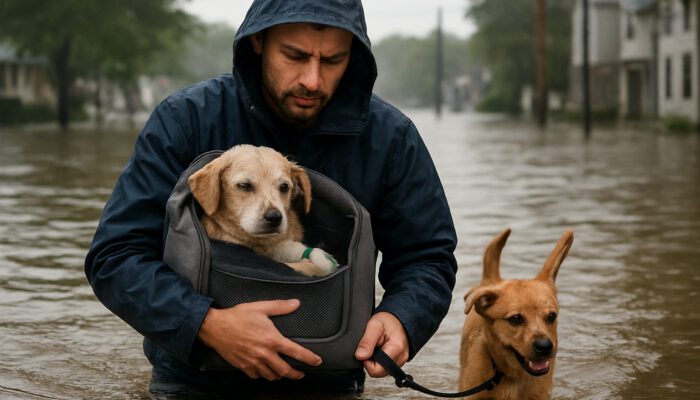
Understanding your pet’s unique needs is fundamental when crafting an effective flood evacuation plan. Every animal has distinct health conditions, dietary needs, and behavioural traits that require consideration. For example, an elderly dog may need specific medications and a tranquil environment, while an energetic puppy might need additional exercise to alleviate anxiety. By comprehensively assessing these factors, you can significantly reduce stress during an evacuation, creating a smoother experience for both you and your cherished pets.
Compile essential items such as medications, health records, and comforting toys to help your pet navigate the chaos of an emergency. Having their preferred food and necessary supplies on hand can greatly mitigate anxiety. consider your pet’s temperament when devising your evacuation plan. Some animals may become more distressed in unfamiliar surroundings, which may require additional preparations. If your pet suffers from anxiety, consult your veterinarian about possible calming supplements or anxiety wraps to help soothe them in unexpected situations.
Assemble a Comprehensive Emergency Kit for Your Pets
Preparing an emergency kit tailored specifically for your pets ahead of time can be invaluable during an evacuation. This kit should be thoughtfully organised and contain supplies that cater to your pet’s daily needs. Start by including the basics: ensure you have sufficient food and water to last at least a week. pack suitable bowls for feeding and hydration, and consider including non-perishable options that are easy to transport, such as dry kibble that remains fresh over time.
Besides food, do not overlook crucial items such as identification tags, leashes, and carriers. A comfortable carrier should be easily accessible to streamline the transition during the evacuation. include hygiene supplies like waste bags, portable litter boxes for cats, and disinfectants to maintain cleanliness. having a well-stocked first aid kit specifically for pets, including bandages, antiseptic wipes, and any necessary medications, is highly recommended. This thorough approach ensures that your pets’ fundamental needs are met, allowing you to focus entirely on the evacuation process.
What Training Can Help Prepare Your Pets for Evacuation Situations?
Training your pets for evacuation scenarios can significantly reduce anxiety during emergencies. Start by teaching basic commands such as “come,” “stay,” and “go to your place.” Regular training not only fosters trust but also helps your pets comprehend what is expected of them in high-stress situations.
Gradually introduce your pets to their carriers, creating positive associations using treats and praise. Conduct evacuation drills consistently; this practice helps pets adjust to the process and decreases panic during a real emergency. For instance, simulate evacuation sounds, like alarms or loud noises, to help them acclimatise. The objective is to cultivate a calm atmosphere where your pets feel secure, ultimately lowering stress levels for both you and your animals during an actual crisis.
How Can You Effectively Research Pet-Friendly Shelters and Safe Routes?

Identifying pet-friendly shelters is a critical step when preparing for a flood evacuation. Although many emergency shelters accept pets, not all do, making it essential to research your options beforehand. Consult local government websites or organisations dedicated to animal welfare for a list of accommodations available during emergencies. This preparation allows you to keep your pets close, minimising their stress and avoiding the potential trauma of separation.
Planning safe routes to these shelters is equally vital. Consider factors such as traffic patterns, areas prone to flooding, and accessibility. Always have a contingency plan in case your primary route becomes obstructed or unsafe. Use GPS applications to check real-time conditions, and stay informed about local emergency services that can provide assistance. By mapping out your destinations and routes, you can significantly reduce risks during emergencies, ensuring the safety of both yourself and your pets.
Expert Tips for Successfully Evacuating with Your Pets During Floods
Implement Vital Safety Measures to Protect Your Pets
To effectively protect your pets during a flood evacuation, implementing essential safety measures is crucial. Start by ensuring your pets are microchipped and that the information is up-to-date. This simple step can facilitate a quicker reunion should you become separated during an evacuation. to microchipping, securing collars with ID tags is equally important.
Reflect on practical scenarios from previous evacuations that underscore the importance of preparedness. Pets have gone missing during emergencies due to a lack of identification or the unavailability of carriers. Always keep a list of emergency contacts, including your veterinarian, local animal shelters, and pet-friendly accommodations. equip yourself with a detailed first aid kit specifically designed for pets, containing items like bandages, antiseptic wipes, and any necessary medications. By adopting these crucial safety measures, you take proactive steps to ensure your pets’ well-being during high-stress situations.
How Can You Assess Safe Evacuation Routes for Your Pets?

Choosing safe evacuation routes for your pets is essential for ensuring their comfort and safety. Start by evaluating potential pathways based on accessibility, avoiding areas vulnerable to flooding or heavy traffic. It’s important to develop a reliable escape plan that accounts for various scenarios, such as road closures or hazardous conditions that may occur during an emergency.
Consider your pets’ comfort throughout the journey. Long evacuations can induce stress, so plan for regular breaks where they can stretch their legs, relieve themselves, and stay hydrated. Identify rest areas or parks along your route that welcome pets. Understanding your pet’s tolerance for travel is also crucial; some animals may require more frequent stops or calming techniques to manage their anxiety. By choosing well-planned evacuation routes, you can facilitate a smoother journey and alleviate anxiety for your pets.
Why Is It Critical to Monitor Your Pet’s Health During Preparation?
Monitoring your pet’s health during the preparation phase is essential for their well-being before and during an evacuation. Keeping an eye on their health involves simple yet effective methods, such as observing their behaviour, appetite, and energy levels. If you notice any unusual changes, consult your veterinarian to address potential health concerns before a crisis arises.
Real-world examples illustrate that pets can suffer from anxiety and stress during emergencies, potentially leading to health complications if not managed properly. Ensure that your pets are up to date on vaccinations, as crowded shelters may pose health risks. keeping a record of any pre-existing conditions or medications can aid in providing care if your pet requires medical attention during an evacuation. By actively monitoring your pet’s health, you can take proactive measures to maintain their well-being throughout the evacuation process.
What Are the Safest Methods for Transporting Pets During a Flood?
Select the Most Appropriate Carrier for Your Pet
Choosing the right carrier is essential for ensuring your pet’s safety and comfort during transport in a flood scenario. The carrier should be sturdy enough to withstand movement and potential impacts, while also being well-ventilated to keep your pet comfortable. For larger pets, opt for a crate that allows them ample space to stand, turn around, and lie down comfortably.
Introducing your pet to the carrier ahead of time is crucial. Gradually familiarising them with the space can help reduce anxiety. For instance, place their favourite toy or a cosy blanket inside the carrier during training sessions. consider features such as handles for easy transport and secure locks to prevent accidental openings. If transporting multiple pets, ensure that each one has a separate carrier to avoid stress or aggression. Selecting the right carrier can significantly enhance the overall evacuation experience, ensuring better safety for your pets.
How to Ensure Your Pets Are Secure in Vehicles During an Evacuation
Properly securing pets in vehicles during an evacuation is vital for preventing accidents and ensuring their safety. Use pet harnesses or secured crates to effectively restrain them. A harness should be attached to a seatbelt, allowing your pet to sit comfortably while minimising movement. Crates should be secured with straps to prevent sliding during transit.
Key safety features to consider include:
- Safety harnesses specifically designed for pets.
- Well-ventilated, sturdy crates that are appropriate for your pet’s size.
- Non-slip mats to prevent sliding.
- Emergency escape routes for both you and your pets.
To securing your pets, ensure that there is adequate ventilation in the vehicle to prevent overheating, especially during warm weather. Schedule regular breaks to allow your pets to stretch, relieve themselves, and hydrate. Keeping pets secure not only enhances their safety but also contributes to a less stressful transport experience for everyone involved.
What Strategies Can Help You Manage Multiple Pets Effectively?
Handling multiple pets during an evacuation can be challenging, but with the right strategies, you can maintain order and safety. Start by grouping your pets based on size and temperament, as this approach helps prevent chaos; more dominant pets may stress out smaller, shyer ones. Create a list indicating which pet goes into which carrier, ensuring that each carrier is equipped with water and comfort items.
When transporting multiple pets, having a designated helper can be advantageous, allowing for better monitoring and management of their needs. For example, one person can focus on driving while another keeps an eye on the pets. practice drills with your pets beforehand to establish a routine that minimises confusion during the actual evacuation. By effectively managing multiple pets, you ensure a smoother evacuation process that prioritises everyone’s safety and comfort.
Research-Backed Benefits of Implementing Effective Flood Evacuation Tips for Pets
Understand the Psychological Advantages for Pets During Emergencies
Implementing proper evacuation strategies can significantly alleviate anxiety in pets. Studies indicate that animals who are prepared for emergencies tend to exhibit calmer behaviours afterwards. This reduction in anxiety is crucial, as stress can lead to behavioural issues and health complications in pets.
Expert analysis suggests that familiarising pets with carriers and practising evacuation drills builds emotional resilience. Techniques such as providing calming aids or creating a safe space during travel also contribute to a sense of security. For instance, offering treats or using calming music during transport can foster a more relaxed atmosphere. By understanding and addressing the psychological benefits associated with effective evacuation preparation, pet owners can enhance their pets’ overall well-being during and after emergencies.
Explore the Physical Health Benefits of Proper Evacuation Planning
A well-thought-out evacuation plan not only addresses psychological needs but also safeguards pets’ physical health. Planning helps prevent injuries associated with chaotic environments, ensuring that pets stay safe throughout the evacuation process. For example, using elevated bedding can protect pets from damp conditions that might lead to illness, while ensuring adequate nutrition helps maintain their energy levels.
Actionable measures include ensuring that pets remain hydrated and limiting exposure to adverse weather conditions during travel. Having an appropriate evacuation kit that includes hygiene items can mitigate health risks associated with waste management. For example, using portable litter boxes for cats can reduce stress and maintain cleanliness. By focusing on both physical and mental health, pet owners can significantly enhance their pets’ quality of life during emergencies.
Assess the Long-Term Safety Outcomes for Pets After Evacuation
Implementing effective flood evacuation tips leads to improved long-term safety outcomes for pets. By taking proactive measures, pet owners can ensure that their pets thrive in the aftermath of an emergency. This includes monitoring for health complications that may arise post-evacuation, such as stress-induced illnesses or injuries sustained during the event.
Expert analysis underscores the importance of continuous care strategies, including regular veterinary check-ups and post-event behavioural assessments. Keeping a close watch on pets in the weeks following an evacuation can help identify any lingering issues early. For instance, if a pet shows signs of anxiety or distress, seeking professional assistance promptly can facilitate recovery. By prioritising long-term care, pet owners can contribute to their pets’ overall well-being and stability.
What Essential Supplies Do Pets Need for Evacuation?
Ensure Your Pets Have Sufficient Food and Water Supplies
When preparing for an evacuation, stocking adequate provisions for your pets is crucial. Ensure you have enough food that meets your pet’s dietary requirements, focusing on non-perishable items suitable for the duration of the evacuation. Dry kibble is an excellent choice, but if your pets require wet food, consider packing pouches or cans that are easily transportable.
Calculate portion sizes based on your pet’s daily intake, including extra provisions for unforeseen delays. having clean, fresh water is essential. Store water in collapsible bowls for easy transport, and consider bringing portable water filters for extended trips. This careful planning helps prevent nutritional deficiencies and dehydration, ensuring your pets remain healthy and energetic during the evacuation.
Include Vital Medical and Comfort Items in Your Emergency Kit
Alongside food and water, packing medical and comfort items can ease the evacuation process for your pets. Gather any medications they may need, ensuring that you have sufficient supplies to last throughout your time away from home. Include a first aid kit specifically designed for pets, containing items like bandages, antiseptic wipes, and tweezers for removing ticks or splinters.
Comfort items are equally important; include familiar toys, blankets, or beds that can provide a sense of security. These items help alleviate anxiety and encourage relaxation during stressful times. For instance, a favourite toy can serve as a distraction during transport, helping to keep your pet calm. Consider creating a dedicated section in your emergency kit for these comfort items, ensuring they are easily accessible. By addressing both medical and emotional needs, pet owners can significantly reduce stress during an evacuation.
Prepare Proper Identification and Health Records for Quick Reunification
Ensuring that your pets have proper identification and health records is essential for swift reunification if you become separated during an evacuation. Start with identification tags securely attached to your pet’s collar, including your contact information and any relevant medical details. Microchipping is also highly recommended, as it provides a permanent form of identification.
Organise health records digitally or in a waterproof folder for easy access. Include vaccination records, medical history, and any prescriptions your pet may need. Having these documents readily available can expedite the process of receiving care if necessary. consider taking recent photographs of your pets before the evacuation; having these images on hand can assist in identification efforts. By preparing identification and medical records, pet owners enhance the chances of a successful reunion should the need arise.
Select Appropriate Carriers and Leashes for Safe Transport
Choosing the right carriers and leashes is vital for ensuring safe transport during evacuations. Carriers should be durable, well-ventilated, and appropriately sized for your pet. Ensure that they can comfortably stand and turn around while also being easy to secure in a vehicle.
For dogs and cats, leashes and harnesses are crucial for preventing escapes in chaotic situations. Opt for sturdy, adjustable leashes that can withstand pulling, and consider harnesses that distribute pressure evenly across the body. It’s also beneficial to have a backup leash or collar in case one breaks during transport. Prioritising comfort and safety in these selections can significantly reduce anxiety for both pets and owners, facilitating a smoother evacuation experience.
Incorporate Sanitation and Hygiene Essentials in Your Emergency Kit
Sanitation and hygiene are vital components of preparing for a pet evacuation. Pack necessary items such as waste bags, portable litter boxes, and disinfectants to effectively manage your pet’s waste. Having these supplies on hand not only maintains cleanliness but also prevents health risks associated with poor hygiene during the evacuation process.
Ensure that the waste bags are strong and leak-proof, and consider biodegradable options for sustainability. For cats, portable litter boxes should be compact and easy to set up. include disinfectant wipes or sprays to quickly clean up any messes. These items should be easily accessible within your emergency kit, allowing for prompt action when needed. By incorporating sanitation and hygiene essentials, you contribute to a healthier and more comfortable environment for your pets during evacuations.
Why Is It Essential to Have a Pet Evacuation Plan?
Recognise Early Warning Signs of Flood Risks
Anticipating flood risks and recognising early warning signs is fundamental for enhancing pet safety during evacuations. Stay alert for environmental indicators such as sudden weather changes, rising water levels, or local alerts. Developing a response plan that prioritises your pets transforms potential dangers into manageable situations, allowing for timely action.
For instance, if a weather service issues a flood warning, have your evacuation plan ready for implementation. This means having your emergency kit prepared, identifying evacuation routes, and knowing where you’ll take your pets. By being proactive and attentive to these early signs, you can mitigate risks and ensure that your pets remain safe and secure during uncertain times.
Establish a Reliable Support Network for Pet Care During Emergencies
Creating a support network for your pets can greatly enhance your evacuation efforts. Community resources play a vital role in providing assistance during emergencies, so forging connections with reliable contacts is a strategic approach to ensure coordinated pet care.
This network could include neighbours, local veterinarians, or animal welfare organisations that can offer guidance and resources during evacuations. Sharing your evacuation plan with these contacts enables them to assist you effectively, whether by providing shelter, helping transport your pets, or offering supplies. Compile a list of contacts and maintain open communication to ensure everyone is prepared. This collaborative approach fosters a sense of readiness and support that can significantly impact your pet’s safety during a crisis.
Avoid Common Pitfalls in Your Pet Evacuation Planning
Planning for pet evacuation requires meticulous attention to detail, as overlooking specific aspects can jeopardise your pets’ safety. Common mistakes include failing to have a backup plan, neglecting to prepare an emergency kit, or not researching pet-friendly shelters. Avoiding these pitfalls is crucial for a successful evacuation.
A bullet list of frequent errors includes:
- Forgetting to update identification tags or microchip information.
- Neglecting to include sufficient food and water supplies.
- Overlooking the need for a first aid kit.
- Not practising evacuation drills with pets.
By identifying these common planning mistakes, you can strategise effectively to rectify them. Comprehensive preparation ensures that you are better equipped to handle emergencies as they arise, providing peace of mind for both you and your pets.
Essential Post-Evacuation Care for Your Pets
Monitor for Signs of Stress and Trauma in Your Pets
Addressing emotional recovery after an evacuation is critical for your pets’ overall well-being. Observing behavioural changes is essential, as pets may exhibit signs of stress or trauma following a chaotic situation. Providing reassurance and a calm environment can help them readjust more comfortably.
Create a safe space within your home where your pets can retreat to feel secure. This area should be familiar, equipped with their favourite toys or bedding. Gradually reintroduce them to their normal routines while giving them extra attention. Engaging in gentle play, providing treats, and maintaining a consistent schedule can help alleviate anxiety. By actively monitoring your pets’ emotional states, you foster a supportive environment that encourages healing and recovery.
Gradually Restore Normalcy to Your Pets’ Routines Post-Evacuation
Reestablishing daily habits can significantly aid in your pets’ healing process after an evacuation. Gradually restoring routines helps pets feel secure and supported in the aftermath. Start with familiar environments, reintroducing previous activities slowly to avoid overwhelming them.
For instance, if your pet enjoys walks, introduce them to their favourite routes one step at a time. Ensure they are comfortable with each step before progressing. Consistent meal times and play schedules can also create a sense of normalcy. Remember to observe your pet’s responses and adjust your approach accordingly. By taking these gradual steps, you help your pets transition back to their routines, enhancing their overall comfort and stability.
Seek Veterinary Follow-Up Care After Evacuation
Consulting a veterinarian for follow-up care after an evacuation is essential to address any lingering health concerns that may arise. Schedule check-ups to evaluate your pet’s overall well-being and identify any potential issues related to stress or injuries sustained during the evacuation.
Discuss any behavioural changes or health symptoms observed post-event. For instance, if your pet exhibits signs of anxiety or physical discomfort, your vet can provide tailored recommendations. This proactive approach promotes complete recovery through targeted care measures, ensuring your pet remains healthy and happy in the aftermath of an emergency. Prioritising veterinary follow-up can make a significant difference in your pets’ long-term health and well-being.
Frequently Asked Questions about Pet Evacuation
What Should Be Included in My Pet Emergency Kit for an Evacuation?
Include food, water, medications, identification tags, comfort items, first aid supplies, and sanitation products in your pet emergency kit to ensure their needs are met during an evacuation.
How Can I Effectively Prepare My Pet for an Evacuation?
Train your pet with basic commands, practise evacuation drills, and familiarise them with their carriers to ease anxiety during an actual emergency.
What Are the Common Signs of Stress in Pets During Evacuations?
Common signs of stress in pets include excessive barking, hiding, panting, loss of appetite, or destructive behaviour. Monitoring these behaviours can help you address their needs promptly.
What Is the Best Way to Secure My Pet in the Car During an Evacuation?
Use a pet safety harness or a sturdy carrier secured with seatbelts to prevent movement and ensure their safety during transport.
What Should I Do If I Can’t Find a Pet-Friendly Shelter?
Look for hotels or motels that accept pets, or reach out to local animal rescue organisations for assistance in finding temporary shelter.
How Often Should I Check My Pet’s Identification Tags?
Regularly, at least every few months, to ensure that your contact information is accurate and up to date, especially before any potential evacuation.
What Types of Food Should I Pack for My Pet During an Evacuation?
Pack non-perishable food items suitable for your pet’s diet, such as dry kibble or canned food, ensuring you have enough for the evacuation period.
How Can I Help My Pet Feel Comfortable During Transport?
Bring familiar items like their favourite toys or blankets and consider using calming aids, such as pheromone sprays, to create a soothing environment.
What Should I Do If My Pet Becomes Sick After Evacuation?
Contact your veterinarian immediately to discuss symptoms and seek appropriate treatment for any health concerns that arise post-evacuation.
How Can I Reduce My Pet’s Anxiety During an Evacuation?
Maintain a calm demeanor, provide comfort items, engage in gentle activities, and establish a routine to help reduce your pet’s anxiety during an evacuation.
Join us on Facebook today!
The Article Flood Evacuation Tips for Pets: Key Safety Measures First Published On https://elgatoencasa.com
The Article Pet Safety Measures for Flood Evacuations: Essential Tips Was Found On https://limitsofstrategy.com


No responses yet