Essential Techniques for Ingredient Preparation in Muffin Baking
Achieving Precision in Measuring Dry Ingredients for Muffins
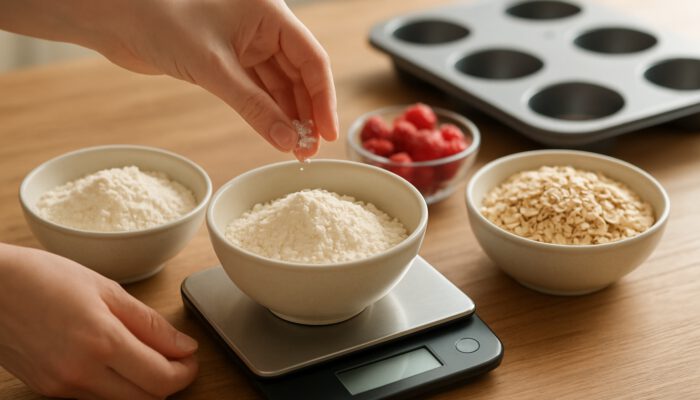
Precise measurement is vital for ensuring that your healthy breakfast muffins have the perfect texture and rise. Accurate ingredient quantities help each batch adhere to nutritional standards while maintaining a desirable balance. In Australian kitchens, even slight measurement discrepancies can result in muffins that are either too dense or laden with unnecessary calories, detracting from their health benefits.
Utilising a kitchen scale greatly enhances measurement accuracy, particularly for ingredients like flour and oats. Weighing items rather than relying on volume consistently produces better results. This practice avoids the common mistake of compacting dry ingredients too tightly, which can negatively impact the texture of your muffins.
Employing measuring cups and spoons specifically designed for dry ingredients further improves measurement accuracy. By dedicating time to ensure correct measurement, you can guarantee that every muffin emerges light and fluffy, transforming your healthy breakfast routine into a delightful experience.
Choosing Nutritious Grains for Your Muffin Recipes
Selecting the right grains is essential for creating wholesome breakfast muffins. Whole grains such as oats and bran serve as excellent choices, significantly boosting the fibre content of your muffins. Incorporating these grains aids in sustaining energy levels, making them perfect for hectic mornings.
- Higher fibre content supports improved digestion and encourages regularity.
- Whole grains deliver essential nutrients, including B vitamins and iron.
- They help maintain steady energy levels throughout the day.
- Whole grains may reduce the risk of chronic illnesses.
For example, oats not only provide nutritional value but also versatility. They can act as a base for numerous muffin recipes, contributing a pleasing texture. By choosing wholesome grains, you enhance the nutritional profile of your muffins while ensuring they keep you feeling satisfied for longer.
What Fruits Can Enhance Your Muffin Recipes?
Fruits such as bananas and berries make excellent additions to healthy breakfast muffins. They introduce natural sweetness and moisture, which are critical for creating soft, tender muffins. Bananas can even substitute for some fats in recipes, resulting in lighter and healthier baked goods.
Berries like blueberries and raspberries not only add vibrant colour but also a burst of flavour. Rich in antioxidants, they contribute positively to overall health. Including these fruits in your muffins not only boosts taste but also infuses your diet with valuable vitamins and minerals.
Experimenting with different fruit combinations can yield delightful outcomes. For instance, mixing bananas with walnuts or incorporating strawberries into an oat base can elevate your muffins to new levels of deliciousness while keeping them nutritious.
What is the Best Method for Preparing Wet Ingredients for Muffins?
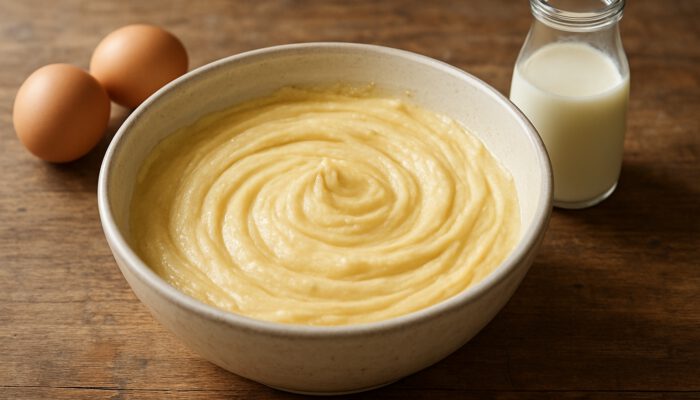
Accurate measurement and proper tempering of wet ingredients such as milk and eggs are crucial for achieving the ideal muffin batter consistency. This careful preparation ensures that your muffins rise beautifully and remain light and fluffy. In Australian kitchens, overlooking this step can lead to tough muffins or uneven baking.
Bringing ingredients like eggs and milk to room temperature before incorporating them into the batter is highly beneficial. This straightforward step enhances emulsification, significantly improving the texture of your muffins. A smooth batter results in even baking, enhancing overall quality.
Gradually adding wet ingredients to the dry mixture ensures even distribution. This technique prevents clumping and guarantees that every muffin is perfectly moist and fluffy, turning your healthy breakfast into a true delight.
Why is It Important to Chop Mix-ins Evenly?
When incorporating mix-ins such as chocolate chips or dried fruits, chopping them into uniform pieces is essential. This practice guarantees even distribution throughout the muffin batter, enhancing both flavour and texture. Larger chunks can disrupt the baking process, leading to uneven muffins.
For instance, finely chopping nuts allows their flavour to infuse the muffins without overwhelming individual bites. Similarly, cutting dried fruits into smaller pieces prevents them from sinking during baking, ensuring a balanced flavour in every muffin.
Taking the time to prepare these ingredients properly not only enhances the muffins' visual appeal but also enriches the overall eating experience. Each bite should deliver a harmonious blend of flavours, making your healthy breakfast muffins a delightful treat.
Essential Equipment for Successful Muffin Baking
How to Choose the Right Mixing Tools for Muffin Recipes
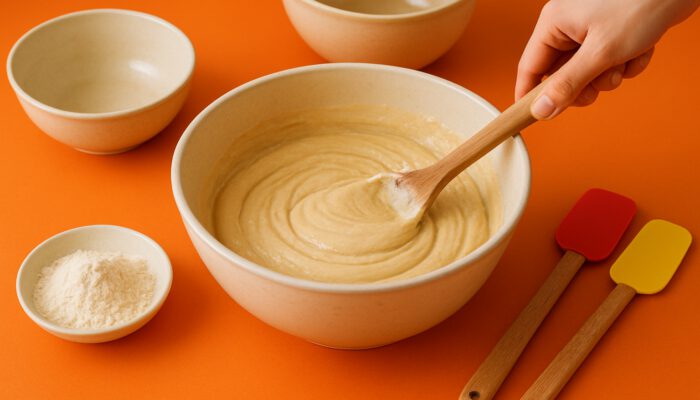
Having the appropriate mixing tools is vital for successful muffin baking. Durable bowls and spoons facilitate thorough blending of ingredients, which is critical for avoiding lumps in the batter. This ensures that the light structure of healthy muffins is maintained, enhancing overall enjoyment.
Opt for mixing bowls made from materials that effectively hold heat, as this helps maintain the right temperature for your ingredients. Silicone spatulas are also excellent for scraping down the sides of the bowl, ensuring that every bit of the mixture is incorporated.
Investing in quality mixing tools not only elevates your baking experience but also improves outcomes. A well-mixed batter results in muffins that rise beautifully, creating a breakfast that is both nutritious and satisfying.
Why Consistent Oven Temperature is Key for Muffin Baking
Maintaining a stable oven temperature is crucial for achieving uniform baking results. This practice locks in moisture and nutrients while preventing the edges from overbaking or centres from remaining raw. Temperature fluctuations in standard household ovens can lead to disappointing results.
An oven thermometer ensures that your oven reaches the desired temperature before you start baking. Properly preheating the oven is essential for allowing your muffins to rise correctly. This often overlooked step is vital for achieving that perfect golden top.
Consider rotating your muffin tray halfway through the baking process to promote even heat distribution. This simple adjustment can significantly enhance the final appearance and texture of your muffins, ensuring they are both delicious and visually appealing.
How to Select the Ideal Muffin Tray for Perfection
Choosing the right muffin tray can significantly impact the success of your healthy breakfast muffins. Non-stick trays are preferable as they promote uniform shapes and simplify removal. This convenience is particularly advantageous for portion control, allowing you to enjoy a mess-free breakfast.
When selecting a muffin tray, pay attention to the cup size. Standard muffin tins yield larger muffins, while mini muffin trays are excellent for bite-sized treats. Picking the size that suits your preferences can enhance your enjoyment of these healthy baked goods.
Using paper liners can further simplify the cleanup process and add a decorative touch to your muffins. This small detail can elevate your breakfast experience, making it feel special while remaining practical.
Expert Insights for Creating Nutritious Breakfast Muffin Recipes
How to Achieve a Balanced Flavour Profile in Muffins
Finding the right balance of flavours is crucial for crafting delightful muffins. Experts suggest gradually adjusting spice levels, such as cinnamon or nutmeg, to enhance taste without overpowering more delicate ingredients. This thoughtful approach ensures that your muffins cater to a wide range of preferences.
Pairing complementary flavours can elevate your muffins. For example, combining bananas with walnuts or chocolate with orange zest creates a harmonious blend that excites the palate. This kind of flavour experimentation can lead to unique and memorable muffin recipes.
Maintaining nutritional integrity while enhancing flavour is essential. By focusing on natural ingredients and using spices judiciously, you can create muffins that are not only delicious but also positively contribute to your overall diet.
Actionable Techniques for Efficient Muffin Mixing
The methods you employ for mixing have a significant impact on the texture of your muffins. Experts recommend using a folding technique to gently combine dry and wet ingredients. This method helps retain air in the batter, resulting in lighter muffins that rise beautifully.
Begin by adding wet ingredients to the dry mixture and use a spatula to fold them together. Avoid overmixing, as this can lead to dense muffins. Aim to leave a few visible streaks of flour in the batter before stopping.
Incorporating air into the batter is crucial for achieving good volume. The right mixing technique enhances texture and preserves the nutritional value of the ingredients, allowing you to enjoy muffins that are both fluffy and wholesome.
Practical Timing Strategies for Perfectly Baked Muffins
Timing is critical when it comes to baking muffins. Experts recommend closely monitoring the baking duration to achieve that perfect golden top while ensuring the interiors remain tender. Overbaking can lead to dry muffins, while underbaking may result in a gooey centre.
A good rule of thumb is to start checking your muffins a few minutes before the suggested baking time. Insert a toothpick into the centre; if it emerges clean or with a few moist crumbs, your muffins are ready. This simple technique helps you avoid common baking pitfalls.
Adjusting baking time based on your oven's performance is also beneficial. Each oven behaves differently, so being attentive to signs of doneness is crucial for optimal flavour and health benefits. With practice, you'll become adept at determining precisely when your muffins are perfectly baked.
Research-Backed Advantages of Healthy Breakfast Muffin Recipes
Understanding the Role of Fibre in Muffin Recipes
Research underscores the importance of fibre in our diets, particularly concerning baked goods like muffins. By incorporating additional grains, you can boost your daily fibre intake, supporting digestion and promoting regularity. This is especially advantageous for individuals looking to manage their weight.
Whole grains not only provide fibre but also create a sense of fullness. This satiety can help mitigate cravings throughout the day, making muffins crafted with oats or bran excellent choices for a healthy breakfast.
Focusing on fibre-rich ingredients results in muffins that not only taste great but also offer substantial health benefits. This approach aligns with current dietary recommendations, encouraging a focus on whole foods for enhanced overall wellness.
Evaluating Protein Sources for Improved Muffin Nutrition
Incorporating protein sources into your breakfast muffins can significantly enhance their nutritional profile. Adding nuts or seeds boosts protein content while aiding muscle maintenance and prolonging feelings of fullness. This is particularly important for individuals with active lifestyles.
Almonds, walnuts, or chia seeds are excellent options that blend seamlessly into muffin batter. Their inclusion adds delightful crunch and flavour while providing healthy fats and essential nutrients. This combination supports a balanced diet that effectively energises your body.
By focusing on protein-rich ingredients, you can create muffins that are not just quick breakfast options but nourishing meals that support your health and wellness goals. These muffins can help you navigate busy mornings with energy and satisfaction.
Examining Vitamin Preservation During Muffin Baking
Utilising gentle baking methods is crucial for retaining heat-sensitive vitamins found in fresh produce. When creating muffins, the aim is to maximise the nutritional delivery of ingredients like fruits and vegetables. This is especially important for maintaining vitamin content.
Baking at lower temperatures and for shorter durations can help preserve valuable nutrients. For instance, muffins baked at moderate temperatures tend to retain more of the vitamin C present in berries, enhancing their overall health benefits.
By prioritising gentle baking techniques, you ensure that your healthy breakfast muffins are not only delicious but also brimming with the vitamins and minerals your body needs. This approach aligns with the goal of creating wholesome meals that contribute to overall health.
Customising Muffin Recipes for Specific Dietary Needs
How to Effectively Substitute Gluten-Free Flours
For those with gluten sensitivities, adjusting muffin recipes to include gluten-free flours is critical. Options like almond flour or coconut flour can maintain the muffins' structure while delivering delightful flavour and texture. This enables inclusive baking that everyone can relish.
When substituting gluten-free flours, combining different types often yields the best results. For example, blending almond flour with a starch like tapioca can create a more balanced texture. This approach ensures your muffins rise correctly and remain moist.
Exploring gluten-free options can lead to exciting culinary discoveries. With the right combinations, you can create muffins that are just as satisfying as their traditional counterparts, making them suitable for a wider audience.
How to Reduce Sugar in Muffin Recipes
Minimising sugar in muffin recipes can significantly enhance their health profile. Natural alternatives like mashed bananas or applesauce can lower refined sugar content while maintaining sweetness. This method not only reduces the glycemic impact but also adds moisture to the muffins.
Utilising these substitutes allows you to create muffins that are both delicious and nutritious. The added fruitiness amplifies flavours, making your muffins enjoyable without excessive sugar. This strategy aligns with current dietary guidelines advocating for lower sugar consumption.
By focusing on natural sweeteners, you can develop muffins that cater to various dietary preferences, making them a versatile breakfast option that supports overall health and wellness.
How to Adapt Recipes for Nut Allergies
For individuals with nut allergies, finding safe alternatives is essential for enjoying healthy muffins without sacrificing flavour or texture. Options like sunflower seeds or pumpkin seeds can provide similar crunch and nutritional benefits without the risk of allergic reactions.
Incorporating nut-free alternatives allows you to create muffins that everyone can enjoy. These substitutes can be mixed into the batter or used as toppings, adding both texture and visual appeal. This ensures your muffins remain enjoyable and safe for all dietary needs.
Being mindful of nut allergies enables the creation of inclusive recipes that cater to diverse preferences. This approach fosters a sense of community and enjoyment surrounding healthy breakfast choices.
How to Use Dairy-Free Substitutes in Muffin Recipes
For individuals avoiding dairy, plant-based alternatives can effectively replace traditional ingredients in muffin recipes. Options like almond milk or coconut oil provide the necessary creaminess and moisture without compromising flavour or texture.
Utilising plant-based ingredients facilitates the creation of muffins that are not only delicious but also accessible for those with lactose sensitivities. Ensuring inclusivity is vital for guaranteeing that everyone can enjoy healthy breakfast options.
Experimenting with dairy-free substitutes can lead to delightful flavour and texture discoveries. By prioritising these alternatives, you can create muffins that align with various dietary preferences while maintaining their wholesome qualities.
How to Make Nut-Free Muffins
For vegans or those with nut allergies, finding suitable replacements is vital for crafting healthy muffins. Flaxseed meal combined with water can mimic the binding and leavening effects of eggs, ensuring your muffins rise beautifully.
Other alternatives, such as applesauce or mashed bananas, also serve as excellent substitutes for eggs, adding moisture and sweetness. This versatility allows you to create muffins that are both nut-free and deliciously nutritious.
By incorporating these nut-free adjustments, you can ensure that your muffins cater to diverse dietary needs. This approach promotes inclusivity and encourages everyone to enjoy the benefits of healthy breakfast options.
Enhancing the Enjoyment and Presentation of Muffins
Choosing Beverages to Complement Muffins for a Memorable Experience
Selecting the right beverages to accompany your healthy breakfast muffins can significantly enrich the overall experience. Herbal teas or smoothies are excellent choices that complement flavours while increasing hydration. These pairings can elevate your morning routine, making it more enjoyable.
- Herbal teas offer calming effects, perfect for a relaxed breakfast.
- Smoothies provide a refreshing contrast to the muffins' texture.
- Nut milk lattes enhance the creaminess of the meal.
- Fruit juices introduce a burst of freshness and extra vitamins.
Considering the flavours of your muffins when selecting beverages creates a harmonious breakfast experience. This attention to detail can transform your mornings, encouraging healthier eating habits.
Strategies for Practising Portion Control with Muffins
Implementing proper portion control is essential for maintaining a balanced diet. When enjoying healthy breakfast muffins, be mindful of serving sizes to avoid overindulgence. This practice supports sustained energy levels and nurtures mindful eating habits.
A good rule of thumb is to enjoy one or two muffins, depending on their size and ingredients. Pairing them with a source of protein, such as Greek yoghurt, creates a balanced meal that keeps you satisfied longer. This combination helps regulate hunger and energy levels throughout the day.
By being attentive to portion sizes, you can savour the deliciousness of muffins without compromising your health goals. This approach promotes a positive relationship with food and fosters long-term wellness habits.
How Do Toppings Enhance the Appeal of Your Muffins?
Incorporating light toppings on your healthy breakfast muffins can significantly amplify their visual appeal. A dollop of Greek yoghurt introduces creaminess and extra protein, enhancing both visual interest and nutritional profile without adding excessive calories.
Consider adding fresh fruits or a sprinkle of nuts as toppings. These additions not only enhance flavour but also provide extra texture, making each bite more enjoyable. This small detail can transform an ordinary muffin into a delightful breakfast treat.
By experimenting with different toppings, you can create a variety of flavour profiles that keep your breakfast routine exciting. This approach encourages creativity in the kitchen while promoting a balanced diet.
What are the Ideal Serving Temperatures for Muffins?
Presenting your muffins at the optimal temperature can significantly enhance their natural flavours. Warm muffins, fresh from the oven, deliver a comforting experience, while cooled muffins offer a more nuanced taste. Finding the right serving temperature can elevate your breakfast enjoyment.
Allowing muffins to cool slightly before serving helps to set their structure while retaining moisture. This balance ensures that each muffin is enjoyable to eat, with a delightful texture and flavour. It’s a small detail that can greatly enhance your breakfast routine.
Being mindful of serving temperatures creates an inviting atmosphere around your meals. This attention to detail promotes greater satisfaction and encourages consistent wellness habits over time.
Creative Presentation Ideas to Make Muffins Stand Out
Thoughtfully arranging your muffins on a plate can heighten their visual appeal, increasing anticipation and pleasure during meals. Consider using colourful garnishes like fresh herbs or edible flowers to create an inviting presentation that makes healthy eating more enticing.
Utilising tiered platters or muffin stands adds a touch of elegance to your breakfast table. This simple adjustment transforms your meal into a more enjoyable experience, fostering positive associations with nutritious foods.
By embracing creativity in presentation, you can enhance the overall enjoyment of your healthy breakfast muffins. This approach encourages adherence to wellness practices and supports sustained motivation towards healthy living.
Common Questions About Muffin Baking
What are the Best Flour Types for Nutritious Muffins?
Whole wheat flour, oat flour, and almond flour are excellent choices for healthy muffins. These flours provide more nutrients and fibre compared to all-purpose flour, enhancing the overall health benefits of your baked goods.
Can I Replace Sugar in Muffin Recipes?
Yes, you can substitute sugar with natural sweeteners like <a href="https://limitsofstrategy.com/best-honeys-for-bbq-glazes-top-picks-and-tips/">honey</a>, maple syrup, or mashed bananas. These alternatives can lower refined sugar intake while still providing sweetness and moisture to your muffins.
How Do I Create Gluten-Free Muffins?
To make gluten-free muffins, substitute regular flour with gluten-free options like almond flour or a gluten-free all-purpose blend. Ensure that other ingredients, such as baking powder, are also gluten-free.
What Fruits Add Moisture to Muffins?
Bananas, applesauce, and pureed pumpkin are excellent fruits for adding moisture to muffins. They not only enhance texture but also contribute natural sweetness and nutrients.
How Can I Increase Protein Content in Muffins?
Including ingredients such as Greek yoghurt, cottage cheese, or protein powder can boost the protein content in muffins. Adding nuts and seeds also contributes additional protein and healthy fats.
What is the Best Way to Store Muffins?
Store muffins in an airtight container at room temperature for up to three days. For longer storage, consider freezing them. Wrap each muffin individually and place them in a freezer bag.
Can I Use Non-Dairy Milk in Muffin Recipes?
Yes, non-dairy milk such as almond, soy, or oat milk can be used in muffin recipes. These alternatives provide similar moisture and consistency as regular milk, making them suitable for dairy-free muffins.
How Do I Prevent Muffins from Sticking to the Pan?
Using non-stick muffin trays or lining them with paper liners can prevent sticking. Greasing the pans lightly with oil or butter can also help ensure easy removal.
What Spices Can Enhance Muffin Flavours?
Spices like cinnamon, nutmeg, and ginger can add warmth and depth to muffin flavours. Experimenting with these spices can create delightful variations in your muffin recipes.
How Can I Make Muffins Appealing to Kids?
To make muffins kid-friendly, focus on fun flavours like chocolate chip or blueberry. Reducing sugar and incorporating fruits can make them healthier while still appealing to children’s tastes.
Visit our Facebook profile today!
The post Healthy Breakfast Muffin Recipes To Bake: Tasty Tips appeared first on https://cookinggods.com
The Article Healthy Breakfast Muffin Recipes: Tasty Baking Tips Was Found On https://limitsofstrategy.com


No responses yet