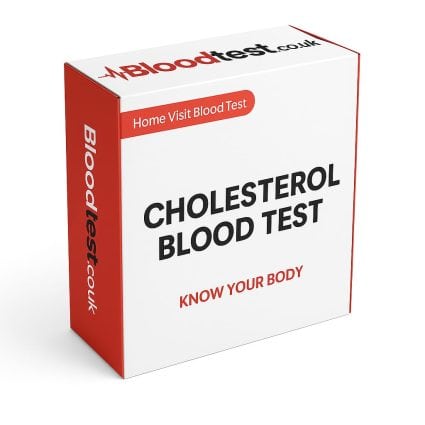
Discover the Importance of Prioritising a Cholesterol Blood Test for Your Heart Health
Understanding the Essential Goals of a Cholesterol Blood Test
Private Cholesterol Blood Testing in Ashford: This test is crucial for assessing your cardiovascular health, specifically designed to measure the levels of various types of cholesterol present in your bloodstream. Cholesterol, a waxy substance necessary for numerous bodily functions, can pose severe health risks when its levels become excessively high, potentially resulting in serious health conditions such as heart disease and stroke. This test evaluates high-density lipoprotein (HDL), known as “good” cholesterol, alongside low-density lipoprotein (LDL), often referred to as “bad” cholesterol.

The primary objective of a cholesterol blood test is to furnish a comprehensive overview of your cardiovascular risk profile. Elevated LDL levels can lead to the formation of arterial plaques, narrowing the arteries and increasing the likelihood of cardiovascular incidents. Conversely, heightened HDL levels can help mitigate this risk by facilitating the transport of cholesterol away from the arteries. As a result, your healthcare provider can deliver informed recommendations regarding necessary lifestyle changes, dietary adjustments, and potential medical treatments tailored specifically to your cholesterol levels.
What Are the Key Steps in the Cholesterol Testing Process?
The cholesterol blood testing procedure is fairly straightforward, commencing with a consultation with your healthcare provider. During this consultation, they will clarify the process and any necessary preparations you need to undertake. A small blood sample is usually drawn from a vein in your arm using a fine needle, which is a quick process, typically lasting only a few minutes. Once obtained, your blood sample is sent to a laboratory for meticulous analysis.
The laboratory analysis quantifies total cholesterol, LDL, HDL, and triglycerides, providing a comprehensive overview of your cholesterol profile. Generally, results are available within a week and are communicated to you by your healthcare provider. This simple yet effective test can yield essential insights into your heart health, enabling you to make informed lifestyle choices.
Who Should Consider Undergoing Cholesterol Testing?
Regular cholesterol testing is essential for various demographics, particularly those at an elevated risk of heart disease. Adults over the age of 40 are strongly advised to have their cholesterol levels assessed, as these levels can fluctuate significantly with age. Moreover, individuals with a family history of heart disease should prioritise regular testing, as genetic factors can profoundly influence cholesterol levels and the risk of developing cardiovascular issues.
Specific risk factors necessitate more frequent cholesterol testing. These factors include obesity, diabetes, high blood pressure, and a sedentary lifestyle. If you smoke or have been diagnosed with any cardiovascular conditions, it is crucial to discuss your cholesterol testing schedule with your GP. Early detection of high cholesterol enables timely interventions that can significantly lower the risk of heart-related complications in the future.
Invaluable Expert Insights on Cholesterol Blood Testing in Ashford
Inspirational Real-Life Success Stories in Cholesterol Management
In Ashford, numerous individuals have experienced significant benefits from regular cholesterol testing, coupled with effective management of their cholesterol levels. Local case studies highlight remarkable health improvements following cholesterol testing:
- A 55-year-old man with a family history of heart disease successfully reduced his LDL cholesterol from 5.5 mmol/L to 3.2 mmol/L within six months by implementing healthy lifestyle changes.
- A 48-year-old woman diagnosed with high cholesterol effectively lowered her levels by adopting a Mediterranean diet and engaging in regular physical activity.
- A 60-year-old retiree successfully reversed her elevated cholesterol levels through a personalised exercise regimen and dietary adjustments recommended by her healthcare provider.
- A 30-year-old man, initially reluctant to get tested, discovered elevated cholesterol levels and quickly took proactive steps, leading to healthier habits and significantly improved test outcomes.
These examples serve as powerful reminders of the importance of proactive health management and the positive impact that cholesterol testing can have on the lives of individuals in Ashford.
Essential Steps to Prepare for Your Cholesterol Blood Test
Proper preparation for a cholesterol blood test is crucial to ensure accurate results. Here are key steps to consider:
- Fast for 9-12 hours before the test: Refrain from food and drink, except for water, to obtain a clearer picture of your cholesterol levels.
- Avoid alcohol for at least 24 hours prior: Alcohol consumption can impair liver function, which can subsequently influence cholesterol levels.
- Discuss medications with your doctor: Some medications may affect cholesterol test results, making it essential to consult your GP regarding any medications you are currently taking.
- Stay hydrated: Drink plenty of water the night before and on the day of the test to facilitate the blood draw process.
By adhering to these preparatory steps, you can help ensure your cholesterol test results are accurate, leading to proper interpretation and informed health recommendations.
Expert Tips for Effectively Understanding Your Cholesterol Test Results
Interpreting cholesterol test results may appear complex; however, grasping their significance is vital for your health. Cholesterol levels are typically expressed in millimoles per litre (mmol/L). Total cholesterol levels below 5.0 mmol/L are generally deemed desirable. HDL levels should ideally be at least 1.0 mmol/L or higher for men and 1.2 mmol/L or higher for women, while LDL levels should ideally remain below 3.0 mmol/L.
However, these figures should not be viewed in isolation. Other factors, such as age, family history, smoking habits, and pre-existing health conditions, can influence the overall risk of cardiovascular disease. Healthcare professionals in Ashford are well-prepared to help you comprehend your results in the appropriate context. They can interpret your cholesterol levels and recommend lifestyle adjustments or tailored treatment options based on your unique health profile. Engaging in open discussions with your healthcare provider is crucial for effectively managing your cholesterol levels.
Find Reliable Cholesterol Blood Testing Services in Ashford
Explore Available Clinics and Hospitals for Cholesterol Testing
Residents of Ashford have access to various medical establishments that provide cholesterol blood testing services. Ashford Hospital, a reputable institution in the area, offers comprehensive testing services as part of its cardiac health assessments. Local GP practices frequently conduct cholesterol tests, facilitating easy access for patients during routine check-ups.
Many clinics adopt an integrated approach, ensuring that patients receive holistic care that encompasses not just testing but also guidance on effectively managing cholesterol levels. When selecting a location for your cholesterol blood test, consulting with your GP is advisable, as they can recommend the most suitable facility based on your health needs.
Benefit from Private Cholesterol Testing Services for Rapid Results
For individuals seeking expedited results, private testing services are available in Ashford. Private clinics provide cholesterol testing for a fee, allowing individuals to receive quicker turnaround times for their results. These services often cater to those who prefer to avoid NHS waiting times.
Private clinics typically offer additional support, including immediate consultations after testing to discuss results and potential lifestyle changes. Although the cost of these services varies, they can be a valuable investment for anyone aiming to actively manage their heart health. What to Expect During Your Appointment?
During your cholesterol blood test appointment, anticipate a quick and efficient process. A healthcare professional will first conduct a brief consultation to understand your health history and any relevant risk factors. Following this, the blood draw will occur, which generally lasts just a few minutes.
Once the sample is collected, it will be sent to a laboratory for analysis, and you can usually expect results within a week. Your healthcare provider will then reach out to discuss the findings and any necessary follow-up. Knowing what to expect can help alleviate anxiety associated with the testing process, ensuring you are fully prepared for your appointment.
Cholesterol Testing Services Offered by Local Pharmacies
Several pharmacies in Ashford also provide cholesterol blood testing, presenting a convenient option for residents. Many of these pharmacies employ trained staff to conduct the tests, allowing individuals to walk in without needing an appointment. This convenience is particularly beneficial for those with busy schedules or who may find it challenging to visit a hospital or clinic.
Results from pharmacy tests are typically available quickly, often on the same day. Pharmacies can also provide guidance on managing cholesterol levels, suggesting products or lifestyle changes based on your results. This dual approach of testing and advice empowers individuals to take control of their health.
Determine How Often You Should Get Cholesterol Testing Done
General Guidelines for the Frequency of Cholesterol Testing
When it comes to cholesterol testing, maintaining an appropriate frequency is crucial for effective health management. Most health guidelines recommend that adults aged 20 and older should have their cholesterol levels assessed every 4 to 6 years if they have no risk factors. This regular monitoring enables early detection of potential issues and timely intervention.
As cholesterol levels can fluctuate over time due to various lifestyle or health changes, adhering to this guideline is essential. Establishing a routine testing schedule can help identify any abnormalities before they develop into more serious health conditions, ultimately contributing to a healthier life.
Considerations for High-Risk Individuals Regarding Testing Frequency
Individuals classified as high risk for cardiovascular disease may require more frequent cholesterol testing than the general population. This typically includes those with existing heart disease, diabetes, high blood pressure, or elevated cholesterol levels. For these individuals, annual or biennial testing is often recommended to closely monitor cholesterol levels and overall heart health.
Regular testing enables healthcare providers to adjust treatment plans or recommend lifestyle changes as necessary, ensuring that risks are managed effectively. Understanding your risk profile is essential, and maintaining an open dialogue with your doctor regarding the frequency of testing can enhance your health outcomes.
When Should You Consult Your Doctor About Cholesterol Levels?
If you have concerns regarding your cholesterol levels or have experienced symptoms such as chest pain or shortness of breath, it is vital to consult your GP. These symptoms may indicate underlying cardiovascular issues that require immediate attention. Your healthcare provider can evaluate your health status and determine whether immediate testing or intervention is necessary.
Additionally, if you are making lifestyle changes that could affect your cholesterol, such as significant weight gain or dietary modifications, it is advisable to discuss these changes with a healthcare professional. Early consultation can lead to timely testing and interventions, promoting better long-term health outcomes.
Explore the Key Benefits of Regular Cholesterol Testing
Early Detection of Potential Health Risks Through Regular Testing
One of the foremost advantages of regular cholesterol testing is the early identification of potential health issues. Detecting high cholesterol levels before they culminate in serious complications such as heart disease or stroke allows for proactive management. Regular testing provides essential information to guide lifestyle changes and medical interventions.
Identifying high cholesterol levels early can lead to interventions that significantly reduce the risk factors associated with cardiovascular diseases. Understanding your cholesterol levels empowers you to take control of your health and make informed decisions to enhance your overall well-being.
Monitoring Treatment Effectiveness for Optimal Cholesterol Management
For individuals already on cholesterol-lowering medications, regular testing is critical to monitor the effectiveness of their treatment plans. These tests serve as benchmarks, enabling healthcare providers to assess whether the current treatment approach is achieving the desired results. If cholesterol levels remain elevated despite treatment, your doctor may need to modify your medication or recommend additional interventions.
This ongoing monitoring process is crucial for long-term health management, as it helps ensure that you stay within a safe cholesterol range. Regular tests also aid in identifying potential side effects from medications, fostering timely discussions with your healthcare provider regarding your treatment plan.
Guidance for Essential Lifestyle Changes to Lower Cholesterol Levels
Cholesterol testing provides invaluable insights into the lifestyle adjustments that can effectively manage cholesterol levels. The results can guide you in making informed decisions concerning your diet, exercise routine, and overall health. For instance, if your cholesterol levels are elevated, your healthcare provider may suggest specific dietary modifications, such as increasing your intake of fruits and vegetables, whole grains, and healthy fats.
Furthermore, understanding your cholesterol levels can motivate you to adopt a more active lifestyle. Engaging in regular physical activity can help lower LDL and raise HDL cholesterol levels. Ultimately, insights from regular testing enable tailored lifestyle adjustments that can result in improved health outcomes.
Research-Backed Evidence Supporting the Benefits of Cholesterol Blood Testing in Ashford
Studies Demonstrating Positive Effects on Heart Health
Research consistently indicates that regular cholesterol testing can significantly decrease the risk of heart attacks and strokes. In Ashford, studies reveal that individuals who consistently monitor their cholesterol are more likely to be aware of their heart health and take proactive steps to manage their cholesterol levels effectively. This preventive approach is essential for reducing the incidence of cardiovascular disease within the community.
Moreover, individuals who routinely monitor their cholesterol levels tend to adhere more closely to recommended lifestyle changes and treatment options, fostering a healthier community overall. By prioritising cholesterol testing, residents of Ashford can enhance their heart health and improve their quality of life.
Longitudinal Studies on Effective Cholesterol Management
Long-term studies conducted in Ashford have demonstrated that consistent monitoring and management of cholesterol levels lead to improved overall health outcomes. Individuals who adhere to regular testing schedules and utilise the information to guide their lifestyle choices often experience lower rates of heart disease and related complications. These findings underscore the significance of cholesterol testing as a vital tool for promoting long-term health.
Additionally, the data indicate that communities with higher rates of cholesterol awareness and management tend to enjoy better overall health metrics. This highlights the need for public health initiatives that emphasise cholesterol testing and heart health education.
Expert Recommendations on Cholesterol Testing Frequency in Ashford
Experts in Ashford recommend tailored testing frequencies based on individual health profiles and risk factors. While general guidelines suggest testing every 4 to 6 years, those with specific risk factors may require more frequent assessments. Healthcare professionals in the area are well-equipped to determine an appropriate testing schedule that reflects each individual’s unique health needs.
Collaborating closely with your healthcare provider helps you develop a personalised testing plan aligned with your health objectives. This tailored approach ensures you receive the monitoring necessary to maintain optimal heart health and prevent future complications.
Local Case Studies Highlighting the Importance of Cholesterol Testing
Case studies from Ashford illustrate the positive impact of regular cholesterol testing on community health outcomes. For instance, a local health initiative aimed at raising awareness of cholesterol management led to a notable reduction in cardiovascular events among participants. These case studies emphasise the importance of individual testing and the collective benefits of community health initiatives.
Moreover, success stories from Ashford residents who have effectively managed their cholesterol levels through regular testing serve as powerful motivators for others. This community-driven approach to health management cultivates a supportive environment that encourages individuals to prioritise their heart health and seek regular testing.
Economic Benefits of Preventive Cholesterol Testing
Preventive cholesterol testing in Ashford has yielded significant economic advantages by reducing healthcare costs associated with serious cardiovascular events. By identifying high cholesterol levels early and implementing lifestyle changes or treatment plans, individuals can avoid costly hospitalisations and treatments for heart disease.
Investing in preventive testing not only enhances individual health outcomes but also alleviates the financial burden on the healthcare system. This economic perspective reinforces the importance of regular cholesterol testing as a community health priority, benefiting both residents and local healthcare providers.
Preparing for Your Cholesterol Test: Essential Guidelines for Success
Understanding Fasting Requirements for Accurate Cholesterol Testing
Preparing for a cholesterol blood test involves specific fasting requirements to ensure accurate results. Most healthcare providers recommend fasting for 9-12 hours prior to the test, during which you should refrain from food and non-water beverages. This fasting period allows your body to stabilise, providing a clearer view of your cholesterol levels at the time of blood sampling.
It’s important to note that while fasting, drinking water is generally permitted, and maintaining good hydration can even facilitate the blood draw process. Being adequately prepared for your cholesterol test can lead to more reliable results and a better understanding of your heart health.
Medications to Discuss Before Your Cholesterol Test
Certain medications can influence cholesterol test results, making it essential to consult your doctor about which ones to avoid prior to your test. For instance, some cholesterol-lowering drugs may alter your results, while others could affect liver function or lipid levels.
Discussing your current medications with your healthcare provider before your cholesterol test is crucial. They can advise you on whether to continue taking specific medications or if adjustments should be made prior to the test. This proactive measure ensures that your test results accurately reflect your cholesterol levels, thereby informing your health management strategies.
What to Bring to Your Cholesterol Test Appointment
When attending your cholesterol test appointment, it is vital to come prepared. Ensure you bring your identification, any pertinent medical records, and a list of medications you are currently taking. This information can help your healthcare provider understand your health history and tailor their recommendations to your needs.
Additionally, having a list of questions or concerns ready can facilitate an open dialogue with your healthcare provider, ensuring you receive the information necessary to effectively manage your cholesterol levels. Being well-prepared can enhance the overall testing experience and improve health outcomes.
Making Lifestyle Adjustments Before Your Test
Implementing certain lifestyle adjustments before your cholesterol blood test can help ensure accurate readings. It is advisable to avoid alcohol and strenuous exercise for at least 24 hours prior to the test, as both can impact your cholesterol levels. Alcohol consumption can lead to temporary spikes in triglycerides, while intense physical activity may alter lipid levels.
By adhering to these guidelines, you increase the likelihood of obtaining reliable results. Understanding the role of lifestyle factors in cholesterol management is crucial for making informed decisions about your health.
Understanding Your Cholesterol Test Results
Having a basic grasp of what your cholesterol numbers signify can aid you in engaging in constructive discussions with your healthcare provider regarding your results. Familiarise yourself with key metrics, including total cholesterol, LDL, HDL, and triglycerides, along with their respective optimal ranges.
Moreover, understanding how these figures relate to your overall health can facilitate a more informed conversation about necessary lifestyle changes or treatment options. This proactive approach empowers you to take charge of your health and collaborate with your healthcare provider to effectively manage your cholesterol levels.
What to Expect After Your Cholesterol Blood Test
Receiving and Interpreting Your Test Results
Once your cholesterol blood test is complete, the results are typically sent to your GP, who will explain them to you in detail. Understanding your results is vital for effective health management, and your doctor will guide you through interpreting the numbers and discussing their implications for your health.
Typically, results will include your total cholesterol, LDL, HDL, and triglycerides, each of which provides valuable insights into your cardiovascular health. Engaging in open dialogue with your doctor during this discussion can enhance your understanding and inform potential next steps for managing your cholesterol levels.
Follow-Up Appointments: Their Importance in Maintaining Health
Depending on your test results, your doctor may schedule follow-up appointments to monitor your cholesterol levels or discuss treatment options. If your cholesterol levels are elevated, your healthcare provider may recommend lifestyle modifications or medications to help lower them into a healthier range.
Regular follow-up appointments are crucial for effective cholesterol management, enabling ongoing evaluation and adjustment of your treatment plan as necessary. Being proactive about follow-ups can significantly enhance your heart health and overall well-being.
Implementing Lifestyle and Dietary Changes Following Testing
If your cholesterol levels are high, your doctor will likely recommend specific lifestyle and dietary modifications to help you manage them effectively. These recommendations may include increasing your intake of fruits, vegetables, and whole grains while decreasing your consumption of saturated and trans fats. Regular physical activity and weight management are also essential components of a heart-healthy lifestyle.
Implementing these changes can lead to significant improvements in your cholesterol levels over time. Collaborating with your healthcare provider to develop a personalised plan can enhance the effectiveness of these lifestyle adjustments, promoting better heart health in the long run.
Referral to a Specialist for Advanced Cholesterol Management
When your cholesterol levels require specialist intervention, your GP may refer you to a cardiologist or endocrinologist for further assessment and management. These specialists possess the expertise to delve deeper into your cardiovascular health and provide tailored treatment options based on your unique health profile.
Referral to a specialist can be a critical step in managing your cholesterol levels, particularly if you face complex health issues or if standard treatments have proven ineffective. Collaborating with specialists can offer additional insights and strategies to optimise your heart health.
Ongoing Monitoring: The Key to Long-Term Cholesterol Management
After your cholesterol test, your doctor will advise you on how frequently you should have your cholesterol levels checked to maintain them within a healthy range. Regular monitoring is essential for effectively managing your cholesterol and making any necessary adjustments to your treatment plan.
Committing to regular testing and consultations with your healthcare provider can significantly enhance your heart health and lower your risk of cardiovascular disease. By prioritising cholesterol management, you can take proactive steps towards a healthier future.
Frequently Asked Questions (FAQs) Regarding Cholesterol Testing
What constitutes the optimal total cholesterol level?
The optimal total cholesterol level is below 5.0 mmol/L. Levels exceeding this threshold may indicate an increased risk for heart disease.
How frequently should I undergo cholesterol checks?
Adults without risk factors should have their cholesterol checked every 4-6 years, whereas those with risk factors may need to test annually or every 2 years.
Is it permissible to eat before a cholesterol test?
It is generally recommended to fast for 9-12 hours before a cholesterol test, although some tests may not require fasting.
What actions should I take if my cholesterol levels are elevated?
If your cholesterol levels are high, consult your healthcare provider for personalised advice on lifestyle changes and potential medications.
Do cholesterol levels fluctuate throughout the day?
Yes, cholesterol levels can vary due to various factors, including diet, physical activity, and even the time of day.
What lifestyle changes can effectively lower cholesterol levels?
Incorporating a heart-healthy diet, engaging in regular exercise, maintaining a healthy weight, and quitting smoking can significantly lower cholesterol levels.
Are there symptoms associated with high cholesterol levels?
High cholesterol often presents no symptoms, which is why regular testing is essential for early detection.
Can genetics influence cholesterol levels?
Yes, genetic factors can significantly impact cholesterol levels and the risk of heart disease.
Is cholesterol testing a safe procedure?
Yes, cholesterol testing is a safe and straightforward procedure with minimal risk to patients.
How long does it typically take to receive cholesterol test results?
Results are generally available within a week of the test, although this may vary depending on the facility.

Connect with us on Facebook!

This Article Was First Found On https://bloodtest.co.uk
The Article Cholesterol Blood Test: Your Essential Guide in Ashford Was Found On https://limitsofstrategy.com


No responses yet