Uncover the Key Ingredients for Crafting Light and Fluffy Gluten-Free Pancakes
Discover Essential Gluten-Free Flours for Pancake Excellence
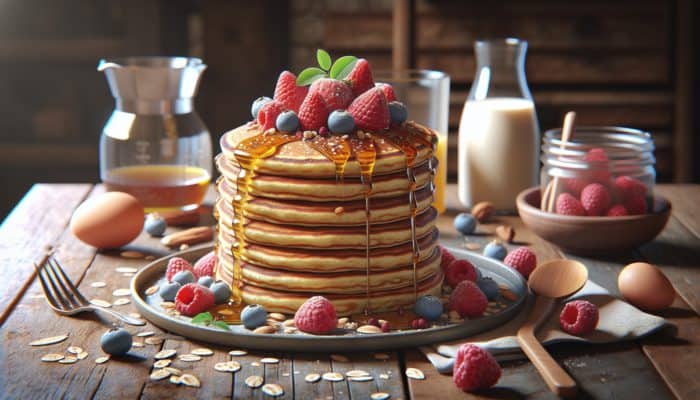
When embarking on the journey to create irresistible gluten-free pancake recipes, selecting the appropriate flour is a crucial factor that can significantly influence your results. Almond flour stands out as a popular choice, known for its delightful nutty flavour and moist consistency. To achieve optimal results, it is essential that these flours are meticulously ground, which guarantees that the batter remains smooth and achieves the perfect level of fluffiness. Another excellent alternative is oat flour, which offers a robust base with a slight chewiness. By blending these flours with eggs and milk—regardless of whether they are sourced from dairy or plant-based alternatives—you create a batter that rises beautifully during cooking. The result is pancakes that are not only airy and fluffy but also gentle on the digestive system, allowing everyone to relish this beloved breakfast staple without discomfort.
Maximising Structure with Effective Binders and Exciting Add-Ins for Your Pancake Recipes
In the realm of gluten-free baking, ensuring that your pancakes retain their structure is vital for achieving a delightful outcome. Eggs play a crucial role as a dependable binder, contributing both structure and moisture to your batter, whereas flaxseeds serve as a fantastic plant-based alternative, effectively mimicking the texture that eggs provide. To enhance the flavour profile of your batter, adding a splash of vanilla extract can elevate a basic pancake into a remarkable culinary delight. The beauty of these recipes lies in their versatility; you can effortlessly adjust them for daily breakfasts to accommodate specific dietary requirements. This adaptability keeps breakfast exciting, allowing for an array of combinations that delight both taste buds and dietary needs.
Enhancing Nutritional Value by Incorporating Wholesome Ingredients into Your Pancakes
Transforming traditional pancakes into nutrient-packed meals involves the strategic addition of fruits and nuts. By incorporating ingredients such as blueberries, you not only increase the vitamin content but also introduce a natural sweetness that elevates the overall flavour. Nuts like almonds or walnuts contribute protein and healthy fats, making your pancakes more satisfying and filling. Here are some essential nutrients to consider when crafting your gluten-free pancakes:
- Vitamin C from berries to fortify your immune system
- Protein from nuts to enhance satiety
- Healthy fats for sustained energy throughout the day
- Fibre from oats to aid digestive health
These additions not only enrich the nutritional profile of your pancakes but also infuse them with vibrant colours and flavours, ensuring your breakfast is both appealing and healthful.
Selecting Optimal Liquids to Perfect Your Pancake Batter Consistency
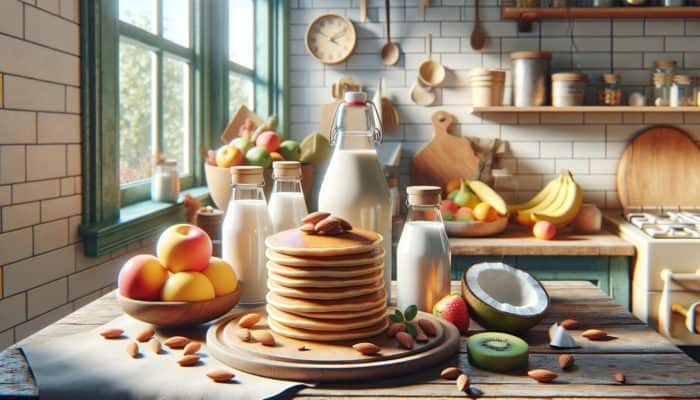
Making the right choice of liquid for your gluten-free pancake batter is critical for achieving that desired consistency. Options such as almond milk or coconut water are excellent alternatives to conventional dairy, enhancing both the quality and texture of your pancakes. These liquids not only promote the seamless blending of gluten-free flours but also provide essential moisture and lightness to the final product. A well-balanced batter results in pancakes that rise beautifully and boast an airy texture. This flexibility allows you to accommodate diverse dietary preferences, ensuring that everyone can enjoy a delightful breakfast, regardless of their dietary restrictions or choices.
Elevating Your Pancakes with Sweeteners and Flavour Enhancers
To enhance your gluten-free pancakes, consider integrating natural sweeteners into your recipes. Honey and maple syrup are popular choices that deliver delightful sweetness without overwhelming the foundational flavours. Adjusting the quantity of these sweeteners according to personal preference allows for a more tailored breakfast experience. Moreover, exploring flavour options such as cinnamon or nutmeg can beautifully complement the natural sweetness. The outcome is a breakfast that feels indulgent yet remains nutritious and versatile, making it an ideal choice for any occasion.
Your Definitive Guide to Mastering Gluten-Free Pancakes
Perfecting Essential Mixing Techniques for Fluffy Pancakes
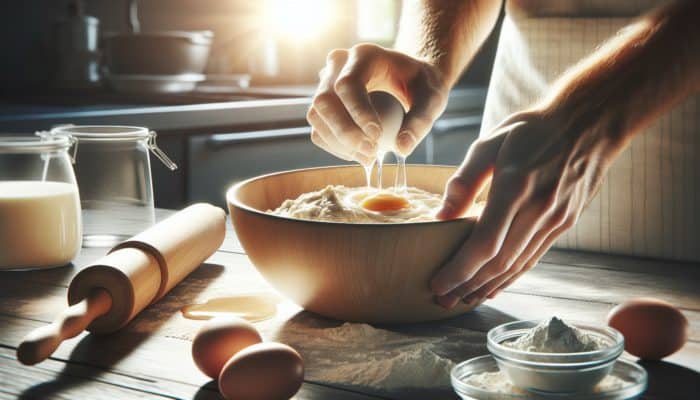
Mastering the right mixing techniques is fundamental for achieving perfect gluten-free pancakes. Begin by thoroughly whisking together your dry ingredients—including your selected flour, baking powder, and a pinch of salt—to ensure an even distribution. After combining the dry elements, gradually incorporate the wet ingredients, typically consisting of eggs, milk, and any sweeteners. This method prevents clumping and guarantees that you achieve a smooth batter. Exercise caution to avoid over-mixing, as this can lead to dense pancakes; aim for a just-combined consistency, leaving small lumps perfectly acceptable. Employing this technique is particularly beneficial for beginners, fostering consistency and encouraging successful results with each attempt.
Essential Cooking Techniques for Fluffy Pancakes on a Griddle
Once you have prepared your batter, it is time to cook! Preheat a griddle or non-stick pan to medium heat. Ensuring that your cooking surface is adequately heated is crucial, as it allows the pancakes to cook evenly. Pour a ladleful of batter onto the griddle and watch for bubbles to form on the surface—this is your cue to flip the pancake. Applying a small amount of oil or butter will ensure a golden crust and prevent sticking. The ideal pancake will showcase a golden exterior while remaining soft and fluffy inside, creating joy at any breakfast table. Adjusting the heat as necessary will help you achieve that perfect balance of texture and flavour.
How Can You Avoid Common Pancake-Making Mistakes?
Mistakes can often derail your pancake-making efforts, but understanding what to avoid will lead you down the right path. A prevalent error is over-mixing the batter, which results in dense pancakes that lack the desired lightness. Instead, mix gently to ensure that the wet and dry ingredients combine without excessive stirring. Additionally, pay close attention to your cooking temperature; cooking at too high a heat can result in burnt edges while leaving the insides undercooked. Keep a vigilant eye on your pancakes and remove them from the heat at just the right moment, ensuring a delicious meal every time.
What Are the Best Flours to Use for Making Gluten-Free Pancakes?
Understanding the Unique Benefits of Almond Flour for Pancakes
Almond flour shines in the realm of gluten-free cooking, imparting a delightful nutty taste and a moist texture to pancakes. Rich in healthy fats and low in carbohydrates, it is a preferred option for those pursuing a low-carb lifestyle without sacrificing indulgence. The subtle sweetness of almond flour allows it to complement an array of additional ingredients, from fruits to spices. When utilising almond flour, ensure that the consistency of your batter remains thick yet pourable for achieving perfect pancakes. This flour not only supports the desired texture but also adds a unique flavour profile that elevates your breakfast experience to new heights.
Exploring Variations of Oat Flour for Pancake Recipes
Oat flour is highly regarded for its hearty texture and versatility, making it an excellent selection for gluten-free pancakes. You can easily prepare it at home by blending rolled oats into a fine powder, ensuring freshness and quality. The mild flavour of oat flour pairs beautifully with a multitude of ingredients, making it a fantastic base for various pancake recipes. This flour also offers the benefits of dietary fibre, contributing to healthier meals. Experimenting with oat flour opens the door to exciting combinations, allowing for delightful breakfast variations that cater to diverse tastes and preferences.
How Does Rice Flour Compare for Pancake Recipes?
Rice flour provides a lighter alternative with a neutral flavour, making it an ideal choice for pancakes that need to remain soft and fluffy. It is widely accessible and affordable, offering home cooks dependable results without altering the pancakes' taste profile. For those eager to experiment, rice flour can seamlessly replace other gluten-free flours in your recipes. Just be sure to adjust the liquid ratios slightly, as rice flour absorbs moisture differently. This adaptability makes rice flour an intriguing option, capable of accommodating various dietary preferences while maintaining the delightful essence of pancakes.
Expert Tips for Crafting Exceptional Gluten-Free Pancake Recipes
Advanced Techniques for Effectively Blending Flours
For those keen on elevating their pancake-making skills, understanding how to blend flours effectively is crucial. Combining flours such as almond and oat can enhance texture, providing a pleasing bite that delights the palate. Many professional chefs recommend starting with a base that includes a high-protein flour like almond combined with a starchier flour such as oat to achieve optimal rise and fluffiness. For instance, a 2:1 ratio of almond to oat flour often yields superior results, creating pancakes that are light yet satisfying. These techniques reflect the nuances of gluten-free cooking, allowing for pancakes that feel indulgent without compromising on health goals and dietary requirements.
Finding the Right Ingredient Ratios for Pancake Success
Precision in balancing your wet and dry ingredients is fundamental to achieving perfect pancakes. When experimenting, maintaining the liquid to flour ratio around 1:1.5 often yields gratifying results. For example, if you utilise one cup of flour, aim for about 1.5 cups of liquid. This ratio may require adjustment based on your chosen flours since some absorb more moisture than others. For instance, almond flour may necessitate slightly less liquid compared to oat flour due to its fat content. By adhering to these guidelines, you can ensure your pancakes are consistently fluffy and enjoyable, transforming breakfast into a highlight of the day.
How to Refine Flavours for Gluten-Free Pancakes?
To elevate your gluten-free pancakes, consider incorporating spices or extracts that enrich the flavour profile. Cinnamon, nutmeg, or even vanilla extract can introduce complexity, transforming a straightforward pancake into an exquisite breakfast treat. Testing different flavour combinations can be a delightful exploration; try adding a dash of cardamom for warmth or a splash of almond extract for a nutty twist. Conducting taste tests with friends or family can provide invaluable feedback, helping you refine your recipes to perfection. This process not only enriches your culinary skills but also enhances the joy of sharing delightful meals with loved ones.
How to Customise Your Gluten-Free Pancakes for Distinctive Flavours?
Enhancing Pancakes with Fresh Fruits and Berries
Fresh fruits can significantly elevate your gluten-free pancakes, adding natural sweetness and vibrant colours that make breakfast more appealing. Strawberries, blueberries, or bananas can be mixed into the batter or used as delightful toppings. When incorporating fruits directly into the batter, it is advisable to chop them finely to ensure even distribution, preventing any sogginess. This customisation allows for a more enjoyable dining experience, as each pancake can showcase diverse flavours and textures. These additions not only contribute to the aesthetic appeal but also enhance the nutritional value, making your pancakes a wholesome choice that everyone can appreciate.
Incorporating Unique Spices and Herbs into Your Pancake Creations
Introducing spices or herbs to your gluten-free pancakes invites a unique twist that can transform the ordinary into the extraordinary. Cinnamon is a classic choice that pairs well with sweet toppings, while fresh herbs like mint or basil can create a refreshing contrast when combined with savoury elements. Experimenting with different quantities can help you uncover the ideal balance. For example, a dash of cayenne pepper can add an unexpected zing, while a teaspoon of vanilla can enhance the sweetness. This playful approach to flavours encourages creativity in the kitchen, leading to exciting breakfast adventures that cater to various tastes and preferences.
What Toppings Can Transform Your Gluten-Free Pancakes?
Toppings are where gluten-free pancakes can truly shine, transforming a simple dish into a culinary masterpiece. Whether you prefer sweet or savoury options, numerous combinations can enhance the overall experience. Consider these topping ideas for your next pancake breakfast:
- Drizzling maple syrup for classic sweetness
- Fresh whipped cream with berries for indulgence
- Savory cheese and avocado for a unique twist
- Nut butter spreads for added protein and creaminess
These toppings not only enhance flavour but also allow for personalisation, ensuring that each meal can be tailored to individual preferences. The versatility of pancakes combined with creative toppings ensures that breakfast remains exciting and satisfying for everyone.
Research-Backed Benefits of Delicious Gluten-Free Pancake Recipes
Health Benefits of Key Ingredients in Pancakes
Many gluten-free ingredients offer remarkable health benefits. For instance, buckwheat is renowned for its ability to support gut health and has been shown to aid in reducing inflammation, making it a wise choice for those looking to enhance wellness through dietary choices. Incorporating these wholesome ingredients into your pancake recipes elevates both taste and overall health. To craft healthier versions, consider substituting refined sugars with natural sweeteners like dates or honey, and explore the use of whole grains that boost fibre content. This approach allows for delicious breakfasts while prioritising nutrition and well-being.
Improving Digestibility Through Gluten-Free Pancakes
For individuals sensitive to gluten, opting for gluten-free pancakes can significantly enhance digestion. Many gluten-free ingredients, such as oats and almond flour, are easier for sensitive stomachs to process, reducing the discomfort often associated with wheat-based products. Recent nutrition research supports this trend, highlighting the enhanced tolerance experienced by many when adopting gluten-free options. This transition not only opens new culinary avenues but also allows for enjoyable meals that cater to diverse dietary restrictions. Making the switch to gluten-free pancakes may be transformative for those seeking relief from digestive issues while still indulging in delicious breakfasts.
Long-Term Integration of Gluten-Free Pancakes into Your Diet
Incorporating gluten-free pancakes into your regular diet can support sustained energy throughout the day. Adopting this habit encourages healthier eating patterns, making gluten-free recipes a seamless part of your daily routine. Tips for successful integration include meal prepping pancakes in advance or experimenting with batch cooking to simplify breakfast during busy mornings. By consistently having these options available, you can maintain dietary goals without feeling deprived. This practical approach promotes long-term adherence to gluten-free living, ensuring that you can enjoy delightful meals without compromising health and nutrition.
Why Are Gluten-Free Pancakes Becoming More Popular?
Understanding the Rising Demand for Gluten-Free Diets
The growing popularity of gluten-free pancakes is largely driven by increased awareness of dietary intolerances and the advantages of gluten-free eating. Many individuals are adopting gluten-free diets for various reasons, including health concerns, weight management, or simply a desire for more wholesome food options. This trend reflects a broader movement towards wellness that prioritises nutrient-dense ingredients, leading to widespread adoption in contemporary eating habits. As more people discover the taste and texture of gluten-free pancakes, the demand for creative recipes and innovative ideas continues to rise.
The Allergen-Friendly Appeal of Gluten-Free Pancakes
Gluten-free pancakes cater to a diverse range of dietary needs, making them highly appealing in today’s culinary landscape. For those with allergies or intolerances, these pancakes provide a delicious alternative that doesn’t compromise on flavour or satisfaction. Their inclusive nature allows individuals from various backgrounds to enjoy this classic breakfast dish without fear of adverse reactions. As awareness of food allergies increases globally, the popularity of allergen-friendly recipes continues to grow, solidifying gluten-free pancakes as a staple in many households across Australia and beyond.
How Do Gluten-Free Pancakes Fit Into Daily Routines?
The convenience of gluten-free pancakes makes them an ideal choice for quick meals, seamlessly fitting into busy schedules. Their adaptability allows for easy preparation and quick cooking times, ensuring that anyone can enjoy a nutritious breakfast without extensive effort. This practicality supports dietary goals, allowing individuals to maintain healthy eating habits without feeling burdened by time constraints. Whether enjoyed as a leisurely weekend brunch or a fast weekday breakfast, gluten-free pancakes offer a versatile solution that satisfies both taste and nutritional needs, making them a staple in many Australian kitchens.
Innovative Recipes and Flavours in Gluten-Free Pancake Creations
The popularity of gluten-free pancakes continues to surge thanks to the wealth of creative recipes and flavour combinations available today. Chefs and home cooks alike are experimenting with various ingredients and techniques, leading to the development of diverse gluten-free pancake styles. This innovation not only makes breakfast enjoyable but also encourages experimentation, allowing individuals to discover new favourites without the worry of gluten. As people embrace these delicious options, gluten-free pancakes are becoming a beloved choice in everyday Australian diets, reflecting a shift toward inclusive and exciting culinary experiences that cater to all.
Delicious Toppings to Enhance Your Gluten-Free Pancakes
Sweet Syrup and Fruit Combinations for Added Delight
To create a delightful finish for your gluten-free pancakes, consider drizzling honey or maple syrup over the top, paired with fresh fruit for an explosion of flavour. This combination not only enhances natural sweetness but also adds visual appeal that makes your breakfast more enticing. By incorporating a variety of fruits such as strawberries, bananas, or blueberries, you can provide additional vitamins and nutrients, transforming your pancakes into a wholesome meal. This simple yet effective pairing transforms a standard breakfast into a memorable occasion, ensuring that every bite is filled with delight and satisfaction.
Exploring Savoury Options with Gluten-Free Pancakes
For those who prefer a savoury twist, consider adding ingredients like cheese or fresh herbs to your gluten-free pancakes. These pairings not only create balanced and flavourful meals but also extend the versatility of pancakes beyond traditional breakfast fare. For example, a sprinkle of feta cheese combined with spinach or fresh herbs can create a hearty dish suitable for brunch or lunch. This exploration of flavours invites culinary creativity, allowing you to tailor your pancakes to suit different occasions while keeping them gluten-free and delicious.
How to Pair Gluten-Free Pancakes with Beverages for an Enhanced Experience?
Matching your gluten-free pancakes with the right beverages can significantly elevate your dining experience. Consider pairing them with a rich cup of coffee or a refreshing glass of green tea to enhance the overall enjoyment. The bitterness of coffee beautifully contrasts with the sweetness of pancakes, while tea provides a lighter accompaniment. For a more decadent option, a glass of fresh orange juice can add a zesty brightness to your breakfast. Here are some pairing tips to consider:
- Espresso for a bold contrast
- Herbal tea for a soothing option
- Milk or almond milk for creaminess
- Fresh fruit juices for a refreshing twist
These thoughtful pairings ensure each meal is satisfying and enjoyable, bringing harmony to your breakfast table and enhancing the overall pancake experience.
Indulgent Toppings for a Luxurious Pancake Experience
For those craving an extra touch of indulgence, incorporating dark chocolate shavings or a luscious cocoa drizzle can elevate your gluten-free pancakes to luxurious heights. These toppings not only satisfy sweet cravings but also provide a depth of flavour that enhances the overall experience. Dark chocolate adds rich, complex notes that pair beautifully with fruits or spices, creating a delightful combination perfect for a decadent breakfast or dessert. Keeping dietary needs in mind, these indulgent toppings can be adjusted to suit various preferences, allowing everyone to indulge without compromise.
Storing and Reheating Your Gluten-Free Pancakes
Proper Methods for Storing Gluten-Free Pancakes
To maintain the freshness and quality of your gluten-free pancakes, employing proper storage methods is crucial. Utilise airtight containers to preserve them, ensuring they remain soft and delicious. For short-term storage, refrigerating works well, while freezing is an excellent option for longer preservation. When freezing, consider placing parchment paper between each pancake to prevent them from sticking together. This approach allows you to enjoy homemade pancakes at any time without sacrificing quality. By employing these methods, you can extend the shelf life of your pancakes, ensuring they remain a quick and convenient breakfast option.
Effective Techniques for Reheating Gluten-Free Pancakes
When it's time to enjoy your stored gluten-free pancakes, reheating them properly will significantly enhance their texture and flavour. The toaster or oven is ideal for this purpose, helping to retain crispness while warming them through. Simply toast or heat in the oven at a low temperature for a few minutes until they are warmed and slightly crispy. Avoid using the microwave, as it may lead to sogginess, compromising the enjoyable eating experience. By taking these simple steps, you ensure that each pancake tastes just as delightful as when they were freshly made, allowing you to enjoy them fully.
What to Avoid When Storing Gluten-Free Pancakes?
One common pitfall in pancake preservation is overexposure to air, which can lead to staleness and loss of flavour. To prevent this, always seal your pancakes properly in airtight containers and remove as much air as possible before sealing. Additionally, avoid stacking pancakes without parchment paper or similar separators, as this can lead to sticking and tearing. Understanding these preservation techniques enables you to maintain high quality and extend the usability of your gluten-free pancake recipes, ensuring you can enjoy them well beyond the initial cooking.
Frequently Asked Questions About Gluten-Free Pancakes
Can I make gluten-free pancakes without eggs?
Yes, you can substitute eggs with flaxseeds or chia seeds mixed with water to provide the necessary binding properties in gluten-free pancakes.
What is the best flour for gluten-free pancakes?
Almond flour and oat flour are popular choices for gluten-free pancakes, offering excellent texture and flavour.
How do I make my pancakes fluffier?
To achieve fluffier pancakes, ensure you don’t over-mix the batter and consider adding baking powder to aid in rising.
Can I freeze leftover pancakes?
Absolutely! Store them in airtight containers or freezer bags, placing parchment paper between each pancake to prevent sticking.
What are some healthy toppings for gluten-free pancakes?
Healthy toppings include fresh fruits, Greek yogurt, and nut butters, offering added nutrition and flavour.
How do I avoid dense pancakes?
Avoid over-mixing the batter and closely monitor cooking temperatures to prevent density in your gluten-free pancakes.
Are gluten-free pancakes suitable for kids?
Yes, gluten-free pancakes can be a delicious and nutritious option for kids, especially when made with wholesome ingredients.
Can I use coconut flour instead?
Coconut flour can be used, but it requires careful adjustments to liquid ratios due to its high absorbency.
What’s the best way to reheat pancakes?
Reheat pancakes in a toaster or oven to maintain crispness, avoiding the microwave for best results.
How long do gluten-free pancakes last in the fridge?
Gluten-free pancakes can last up to 3-5 days in the fridge when stored correctly in an airtight container.
Join and follow us on Facebook for more delicious recipes!
The post Top Gluten-Free Pancake Recipes: Easy and Delicious Options appeared first on https://cookinggods.com
The Article Gluten-Free Pancake Recipes: Quick and Tasty Choices Was Found On https://limitsofstrategy.com


No responses yet