Exploring the Emotional Landscape of Pets
What Influences Your Pet's Behaviour and Emotional State?
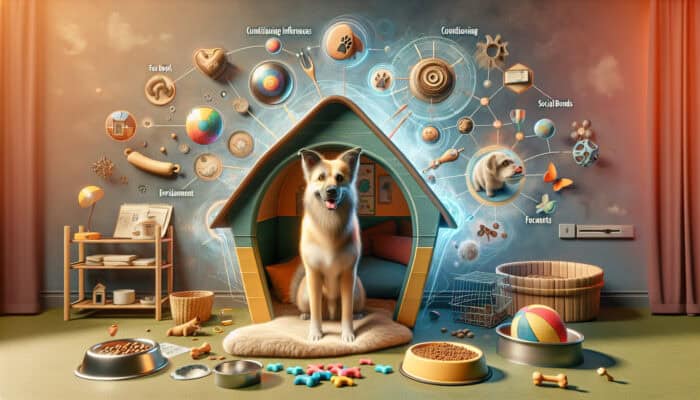
Understanding pet emotions is critical, as these emotions significantly differ from human emotional experiences. Pets primarily operate on instinct, lacking a profound emotional understanding of situations such as loss. Various factors shape these instinctual responses, including biological predispositions, environmental contexts, and social interactions. For domesticated animals, emotional behaviours often relate back to their essential needs for security, nutrition, and a clear social hierarchy. Key triggers that can affect pet behaviour include:
- Changes in routines or environments
- Loss of a friend or family member
- Introduction of new pets or people
- Health issues or physical discomfort
- Owner's emotional state modifications
- Alterations in daily patterns or feeding schedules
- Environmental stressors like loud noises or unfamiliar scents
- Social interactions with other animals
These typical triggers can result in observable behavioural shifts across different species. For example, a dog might show increased withdrawal or heightened energy levels when its environment changes. However, such reactions do not necessarily signify human-like grief; instead, they demonstrate the animal's adaptation to new conditions.
How to Recognise Key Indicators of Behavioural Changes in Pets?
When pets face significant shifts, such as the loss of a companion, they may show temporary signs of distress. This distress frequently arises from disruptions in their daily routines rather than an emotional mourning process. Common indicators include changes in eating habits, variations in activity levels, or increased vocalisation. By recognising these signs, pet owners can deepen their understanding of their pets’ needs and respond effectively.
Pets often express their responses through instinctual behaviours. For instance, a cat may retreat more frequently, while a dog could bark excessively as they adapt to changes in household dynamics. Generally, these behaviours are temporary since animals possess remarkable resilience and adaptability. Acknowledging that such distress is part of a natural coping mechanism enables pet owners to offer the necessary support without misinterpreting their pets’ behaviours.
How Does Instinct Shape the Behaviour Patterns of Pets?
The instinctual nature of pets plays a vital role in determining their responses to environmental changes, including the loss of companions. Unlike humans, who may experience profound emotional grief, pets tend to respond based on survival instincts and learned behaviours. This instinctual framework governs their reactions to changes, highlighting immediate needs such as nutrition, safety, and social engagement.
Insights from animal psychology reveal that pets perceive their circumstances through an instinctual lens rather than from a deeply emotional perspective. For example, when a dog loses a playmate, it may initially feel confused or anxious due to the disruption of its regular play. However, the dog's instinct to seek stability and comfort underlies its behaviour, allowing it to adjust over time. This understanding underscores the importance of providing a consistent environment for pets during transitions, ensuring their physical and emotional needs are adequately met.
Effective Techniques for Enhancing Your Pet's Emotional Well-being
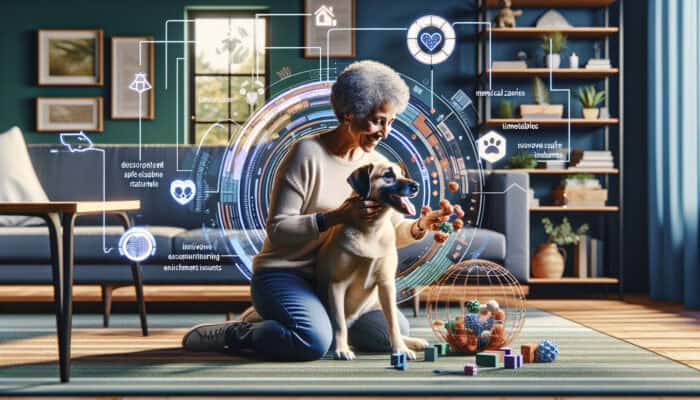
To foster a pet's emotional well-being, owners should concentrate on maintaining a stable environment that addresses their instinctual needs. This can be achieved through various strategies, such as:
- Establishing consistent daily routines for feeding and exercise
- Creating safe spaces for pets to retreat when feeling anxious
- Encouraging social interactions with both humans and other animals
- Conducting regular training sessions to boost confidence
- Providing access to mental stimulation through toys and activities
- Closely monitoring their health for any signs of physical discomfort
- Utilising positive reinforcement to build a trusting relationship
- Exercising patience and understanding as they adjust to changes
By implementing these strategies in everyday pet care, owners can cultivate resilience and emotional stability. It is crucial to avoid projecting human emotions onto pets, as this can lead to misunderstandings regarding their behaviour. Instead, recognising and respecting their unique emotional frameworks facilitates more effective and compassionate care.
How Do Pets React to Loss and Change?
What Are the Initial Behavioural Responses in Pets After Experiencing a Loss?
When pets encounter the loss of a companion or significant changes in their surroundings, they may exhibit altered behaviours due to disruptions in established routines. These responses do not indicate grief; rather, they reflect an adjustment process driven by instinctual needs. Pets might react by becoming more withdrawn, displaying heightened anxiety, or modifying their routine behaviours as they navigate their new environments.
For instance, a dog that suddenly loses its long-time friend may initially bark more frequently or seek out areas where the other pet used to rest. This behaviour stems from confusion and the instinctual drive to search for familiar surroundings. Importantly, these initial reactions are typically short-lived, as pets are skilled at adapting to their situations. Observing these changes helps pet owners appreciate the importance of providing support during these transitional phases without attributing deeper emotional significance to their pet's actions.
Can Pets Learn to Adjust Over Time Following a Loss?

Pets demonstrate an extraordinary ability to adapt over time following a loss or disruption in their routines. As they gradually re-establish their daily habits and explore new patterns, resilience becomes a crucial trait. This adaptability is essential for their overall well-being, enabling them to cope effectively with changes in their environment and social structures.
In many instances, pets slowly revert to their previous behaviours as new routines become established. For example, a cat that initially hides after losing another pet might begin to re-engage with its surroundings as it becomes accustomed to its new reality. This process highlights the need for patience and support from pet owners, who can assist their animals in navigating through these transitions. Providing a stable environment and encouraging exploratory behaviour can reinforce the pet's capacity to thrive amidst change.
What Long-Term Behavioural Adjustments Might Pets Experience?
While some pets may swiftly return to their normal behaviours after experiencing a loss, others might take longer to adjust, reflecting their individual personalities and coping mechanisms. Observing these differences in response can yield valuable insights into an animal's adaptability. It is vital to understand that such behavioural shifts do not equate to grief; rather, they signify the natural process of adjustment and recovery.
For instance, a dog may initially display signs of distress, such as altered sleeping habits or changes in playfulness. However, over time, it may regain its energy and enthusiasm for life. These changes emphasise that adaptability is a defining characteristic of pets, allowing them to move forward even after significant changes. Offering reassurance, maintaining routines, and providing opportunities for social interaction can all support a pet's adjustment, fostering a stable environment that promotes healing.
Expert Insights on Pets and the Experience of Loss
What Do Behavioural Studies Reveal About Pets and Their Responses?
Research in <a href="https://limitsofstrategy.com/behavioral-assessments-key-tips-for-pet-adoptions/">animal behaviour</a> consistently shows that pets do not possess the complex emotional capacity humans have for experiencing loss. Instead, studies reveal that animals rely on instinctive responses to navigate disruptions in their lives. For practical pet care, this understanding translates into actionable steps for owners, enabling them to provide appropriate support while avoiding misinterpretation of normal behaviours as signs of grief.
For example, observing a pet's reaction to sudden changes can inform caregivers about necessary adjustments to their routines. If a dog becomes less active, pet owners might consider enhancing its environment with engaging toys or interactive play to stimulate interest. Recognising that changes in behaviour often reflect instinctive responses rather than emotional voids empowers owners to make informed decisions about how best to support their pets.
How to Effectively Interpret Signals and Behaviours of Pets?
Accurately interpreting pet signals is crucial for ensuring their well-being. Distinguishing between normal behaviours and signs of distress can be challenging, especially when owners might project human emotions onto their pets. By understanding the natural behaviour patterns of animals, caregivers can better assess their pets' needs and respond appropriately.
For instance, if a cat suddenly becomes more vocal, it may not be “grieving” but rather expressing discomfort or seeking attention. Similarly, a dog that starts barking excessively may be reacting to changes in its environment rather than mourning a lost companion. Using real-world examples can assist pet owners in differentiating between instinctive behaviours and signs of distress, leading to more effective and compassionate care.
What Coping Mechanisms Do Pets Naturally Employ?
Pets instinctively utilise various coping mechanisms to manage changes in their environment. Understanding these instinctual behaviours can help owners create supportive settings that encourage resilience. For instance, dogs may seek comfort through play or social interaction, while cats might groom themselves or find safe spaces to retreat.
Encouraging these natural coping strategies is crucial for promoting emotional well-being. Providing toys that stimulate mental engagement, facilitating social interactions with other pets, and ensuring safe spaces for rest can all aid pets in coping with changes. Additionally, owners can observe how their animals respond to different stimuli and adjust their environments accordingly, ensuring pets have opportunities to express their instincts while feeling secure.
Dispelling Misconceptions About Pet Grief
Why Anthropomorphism Can Lead to Misunderstandings About Pets’ Emotional Responses?
The inclination to anthropomorphise pets often results in misconceptions surrounding their emotional experiences, particularly regarding grief. By projecting human characteristics onto animals, individuals may overlook the instinctual nature of pet behaviour, clouding their actual emotional responses. It is essential to recognise that animals react based on fundamental survival instincts rather than complex emotions to accurately interpret their behaviours.
For example, the belief that a dog mourns after losing a companion is frequently a projection of human feelings. In reality, the dog may simply be responding to changes in its routine or environment. Understanding this distinction enables pet owners to provide appropriate care without misattributing human-like grief to their animals, ensuring they focus on the instinctual needs that drive their pets' behaviours.
What Is the Reality of Attachment and Bonding in Pets?
Pet attachment is often misunderstood, leading many to believe that bonds between animals and their owners mirror human emotional connections. While pets certainly form strong attachments based on dependency and social structure, these relationships do not equate to grief when faced with loss. Instead, pets rely on their instinctual bonds, which are grounded in survival and security.
For instance, a pet may display signs of longing when a companion is absent, but this behaviour reflects an instinctual response to seeking familiarity rather than mourning a loss. Clarifying this distinction assists pet owners in better understanding their pets' needs, allowing them to provide support grounded in instinctive behaviours rather than misinterpreting emotional attachment.
How to Prevent Misinterpretations of Pet Behaviour?
To avoid misinterpreting pet behaviours, owners must acknowledge that pets typically react based on routine rather than emotional depth. Understanding normal behaviour patterns can help distinguish typical responses from actual signs of distress. Owners benefit from closely monitoring their pets, paying attention to any significant changes that may indicate discomfort or anxiety.
A helpful approach includes familiarising oneself with common warning signs, such as:
- Changes in eating habits
- Alterations in sleep patterns
- Increased vocalisation or withdrawal
- Changes in playfulness or activity levels
- Excessive licking or grooming
- Aggression or irritability
- Shifts in bathroom habits
- Seeking solitude or excessive clinginess
By being aware of these signs, pet owners can respond effectively to their pets' needs, ensuring a supportive environment that nurtures their emotional and physical well-being.
What Does Scientific Research Reveal About Pets’ Responses to Loss?
What Is the Neurological Basis of Pet Responses to Changes?
Scientific research indicates that pets process loss through basic brain functions rather than emotional grief. Animal studies demonstrate that pets' neurological responses are primarily driven by instinct and learned behaviour, not by complex emotional frameworks. This understanding provides valuable insights into how pets react to changes in their lives, reinforcing the idea that their behaviours are rooted in survival instincts.
For instance, when faced with a loss, a pet may show behavioural changes that reflect confusion or anxiety rather than mourning. These responses stem from neurological processes that prioritise immediate needs and environmental safety. Acknowledging this neurological foundation empowers pet owners to support their animals effectively by focusing on instinctual responses rather than misinterpreting grief.
What Are the Key Research Findings on Animal Responses to Loss?
Extensive research has found no evidence of prolonged mourning in pets, underscoring that their reactions to loss are primarily instinctual. Studies indicate that pets may exhibit temporary changes in behaviour, such as decreased activity or altered eating habits, but these reactions are usually short-lived. Understanding these findings helps pet owners develop realistic expectations regarding their animals’ responses to loss.
For example, a dog might initially become less active after losing a companion, but this behaviour often normalises as the pet adapts to changes in its environment. Recognising this adaptive behaviour enables owners to support their pets effectively by encouraging them to maintain routines that foster a sense of security and stability during transitions.
What Implications Does This Understanding Have for Pet Owners?
Recognising that pets do not experience grief in the same manner as humans carries significant implications for pet owners. This knowledge helps set realistic expectations regarding a pet’s behaviour following a loss, highlighting the importance of providing a supportive environment that addresses their instinctual needs. By understanding that animals can adapt to changes, owners can approach their pets' behaviours with patience and compassion.
For instance, maintaining consistent routines and providing opportunities for social interaction can facilitate a pet's adjustment during transitional periods. This awareness enables pet owners to focus on fostering resilience in their animals, ensuring they thrive even amidst significant changes.
Research-Backed Approaches for Supporting Pets After Loss
What Practical Tips Can Enhance Daily Care for Your Pets?
Research highlights several actionable steps pet owners can take to maintain their pets' well-being during various life changes. Central to these strategies is the significance of routine, which can profoundly impact an animal's emotional stability. Establishing consistent daily activities, such as feeding, walking, and playtime, creates a framework that supports a pet's instinctual needs.
Furthermore, owners can enhance their pets' emotional health by introducing engaging toys and activities that stimulate mental engagement. Activities like puzzle feeders, interactive games, and regular training sessions foster a sense of accomplishment while reinforcing positive behaviours. By focusing on these practical tips, pet owners can create an environment that promotes well-being and resilience, ensuring their pets remain happy and healthy.
Why Is Monitoring Health Indicators Essential for Pet Care?
Monitoring health indicators is crucial for ensuring a pet's overall well-being, particularly during times of change. Keeping track of behavioural patterns, eating habits, and activity levels helps pet owners identify potential concerns. Employing evidence-based methods, such as logging daily behaviours, can aid in detecting subtle shifts that may indicate stress or discomfort.
If a pet exhibits signs of distress, such as changes in appetite or increased lethargy, it is vital to assess the situation and make necessary adjustments to their routine. Consulting with veterinarians or animal behaviourists can provide valuable insights into how best to support a pet during these times, ensuring that physical and emotional needs are prioritised.
How to Cultivate Resilience in Pets?
Encouraging resilience in pets involves fostering coping mechanisms that empower them to navigate changes effectively. Animals naturally develop coping strategies through consistent routines and positive interactions. Providing a stable environment, along with opportunities for socialisation and mental stimulation, enhances a pet's ability to adapt over time.
Practical strategies to foster resilience include:
- Establishing regular exercise routines to promote physical health
- Offering a variety of toys and activities to stimulate mental engagement
- Encouraging positive social interactions with other pets and humans
- Providing safe spaces for pets to retreat when feeling anxious
- Maintaining consistent feeding and care schedules
- Building trust through positive reinforcement training
- Monitoring health indicators for timely interventions
- Providing emotional support during transitional periods
By integrating these strategies into daily care, pet owners can cultivate long-term adaptability and emotional well-being in their pets.
What Signs Indicate Pets Might Be Affected by Loss?
What Temporary Changes in Routine Might Pets Experience?
Upon encountering significant changes, pets may exhibit temporary adjustments to their routines, including decreased activity levels, altered sleep patterns, or shifts in appetite. These adjustments are typically short-term and reflect the pet's instinctual response to environmental changes rather than emotional grief. Understanding that these changes are natural can help pet owners provide appropriate support.
For example, a dog may show reduced enthusiasm for walks or play after losing a companion. Still, this behaviour often returns to normal as the pet adapts to its new circumstances. Recognising these temporary changes as part of the adjustment process allows owners to respond with patience and understanding, facilitating a smoother transition for their pets.
How to Differentiate Between Physical and Emotional Indicators in Pets?
Distinguishing between physical signs of distress and perceived emotional indicators is crucial for accurately assessing a pet's well-being. While pets may exhibit behavioural changes that seem linked to emotional reactions, many of these signs can actually stem from physical discomfort or health issues. For instance, a pet that suddenly becomes lethargic may be experiencing physical ailments rather than emotional distress.
Pet owners should remain vigilant in monitoring both physical and behavioural signs to ensure their pets’ health is prioritised. Regular veterinary check-ups can help address potential health concerns, while attentiveness to behavioural changes can guide appropriate responses. By focusing on the physical aspects of a pet's well-being, owners can better support their animals and promote overall health.
When Should You Seek Professional Support for Your Pet?
If a pet's behaviours persist or worsen following a loss, it may be necessary to seek professional support. While temporary changes are generally normal, prolonged distress might indicate underlying health issues or deeper emotional challenges. Being proactive about seeking help ensures that a pet receives the necessary care and support to adapt effectively.
In these situations, consulting with veterinarians, animal behaviourists, or professional trainers can provide valuable insights into how best to address the situation. Whether through behavioural modification techniques or health assessments, seeking support underscores the importance of recognising and responding to a pet's needs.
How to Monitor Changes in Appetite and Eating Habits in Pets?
A common behavioural change following a significant loss is a shift in eating habits. Pets might show reduced interest in food or, conversely, overeat as a response to distress. Monitoring these patterns is crucial, as persistent changes can impact a pet's overall health. Owners need to be attentive to their pets' eating habits and introduce familiar routines or favourite treats that may assist in recovery.
Offering meals at regular times, providing comforting interactions during feeding, and maintaining a calm environment can facilitate a smoother transition back to normal eating patterns. Understanding that these behaviours are often temporary can guide owners in providing the necessary support, reinforcing the importance of closely monitoring changes.
What Increased Vocalisation or Social Withdrawal Might Indicate in Pets?
Increased vocalisation or social withdrawal can serve as telltale signs of emotional upset in pets following a loss. Excessive barking, meowing, or isolation may indicate that an animal is experiencing distress. Encouraging gentle interaction and maintaining a stable environment can help alleviate these feelings, but if such behaviours persist, seeking professional advice is crucial to ensure that the pet's emotional and physical needs are effectively met.
Creating an engaging atmosphere with opportunities for play, social interaction, and mental stimulation can motivate pets to reconnect with their surroundings. Observing these behaviours allows pet owners to respond appropriately, ensuring their pets feel supported and cared for during challenging times.
Why Does the Concept of Pet Grief Persist in Society?
How Do Cultural Influences Shape Perceptions of Pet Grief?
The notion of pet grief often stems from human interpretations of animal behaviour, perpetuated through shared stories and cultural narratives. As societies evolve, these interpretations can shape beliefs about how pets experience loss, leading to widespread misconceptions that may not align with scientific findings. Recognising the cultural influences at play is essential for understanding why the idea of pet grief persists.
For instance, many narratives in literature and film depict pets as experiencing profound sorrow, reinforcing the misconception that animals grieve in ways similar to humans. Educating the public about pets' actual behavioural responses can help dispel these myths, promoting a more accurate understanding of animal emotions across cultures.
What Role Does Media Play in Shaping Narratives Around Pet Grief?
Media representations significantly amplify myths surrounding pet grief. Popular narratives often emphasise human-like emotions in animals, portraying them as capable of mourning and deep sorrow. These portrayals can distort perceptions, leading to misconceptions about how pets process loss.
By highlighting factual animal behaviours and focusing on scientific research, it is possible to challenge these narratives and promote a more accurate understanding of pet emotions. Addressing discrepancies between media portrayals and actual behaviours can help foster a more informed public perspective on pets' emotional experiences.
How Is Public Awareness Evolving Regarding Pet Emotions?
As knowledge about animal behaviour continues to advance, public awareness surrounding pet responses to loss is beginning to shift. Educating pet owners and the general public about the instinctual nature of animal behaviour can help dispel myths about grieving and promote a more accurate view of how pets cope with changes.
Initiatives such as community education programmes, workshops, and online resources can offer valuable insights into understanding pet behaviour and emotional well-being. By sharing factual information and promoting evidence-based approaches, we can contribute to a broader understanding of the realities of pet emotions globally.
What Psychological Factors Contribute to the Persistence of Pet Grief Myths?
Human emotional bonds and cognitive biases significantly reinforce the belief in pet grief. As individuals project their feelings onto animals, the misconception that pets experience grief becomes entrenched. Personal experiences and societal norms further perpetuate these beliefs, often hindering an objective understanding of animal emotions.
To address these psychological factors, promoting discussions that encourage a more accurate understanding of animal behaviour is crucial. By recognising the distinction between human emotions and animal instincts, we can foster an environment that respects pets' true nature while providing compassionate care.
How Do Historical and Evolutionary Roots Contribute to This Belief?
The persistence of the idea of pet grief can be traced back to historical human-animal interactions and evolutionary psychology. Throughout history, relationships between humans and animals have been shaped by shared experiences, often blurring the lines between human grief and animal responses. This historical context contributes to the enduring nature of misconceptions, despite modern scientific insights into animal behaviour.
Understanding the foundational elements of these beliefs can assist in educating the public about the realities of pet emotions. By addressing the historical roots of these ideas, we can promote a more accurate understanding of how pets experience life changes, ultimately fostering a more compassionate approach to animal care.
How to Proceed with Compassionate Pet Care?
What Healthy Routines Should Be Established for Pets?
Focusing on consistent care is essential to supporting pets and ensuring they thrive in environments devoid of human-like emotional projections. Establishing healthy routines that prioritise feeding, exercise, and social interaction creates a framework for pet well-being. Regular schedules can help pets feel secure and minimise stress during times of change.
Moreover, incorporating variety into daily routines, such as introducing new toys or activities, can enhance engagement and prevent boredom. This proactive approach to pet care fosters resilience and emotional stability, allowing pets to flourish regardless of external circumstances.
What Ethical Considerations Should Guide Responsible Pet Ownership?
Treating pets with respect based on their true nature is essential for ethical ownership. Recognising that pets are instinctual beings rather than emotional counterparts allows owners to create nurturing environments that prioritise their animals' needs. This perspective fosters responsible practices, reinforcing the bond between pets and their caregivers.
Responsible ownership entails understanding the unique requirements of different species and breeds, ensuring that pets receive appropriate care aligned with their instincts. Ethical considerations also extend to promoting well-being through proper nutrition, exercise, and socialisation, enabling pets to lead fulfilling lives.
What Future Trends Should Pet Owners Be Aware Of?
As knowledge regarding animal behaviour continues to advance, evidence-based approaches to pet care will become increasingly prioritised. Emerging insights into animal psychology and behaviour will inform how pet owners interact with and care for their animals. Staying informed about these trends can help pet owners provide the best possible care.
Key emerging insights include:
- Increased emphasis on understanding instinctual behaviours
- Integration of technology for monitoring pet health and behaviour
- Focus on enrichment strategies for mental stimulation
- Growing awareness of the importance of socialisation and companionship
- Recognition of personalised care approaches based on specific pet needs
- Development of resources for educating pet owners on animal behaviour
- Increased collaboration between veterinary professionals and animal behaviourists
- Advancements in training techniques that respect animal instincts
By embracing these trends, pet owners can foster a deeper understanding of their animals, promoting well-being and creating supportive environments that align with their pets' instincts.
Frequently Asked Questions About Pet Emotions
Do pets feel sadness when they lose another pet?
Pets may exhibit changes in behaviour after losing a companion, but these changes are usually linked to instinctual responses rather than emotional sadness.
How can I help my pet cope with the loss of another pet?
Maintaining stable routines, providing social interaction, and offering comfort through familiar activities can help pets adjust to loss.
Is it normal for pets to change their eating habits after a loss?
Yes, pets may experience temporary changes in appetite following a loss, but these behaviours typically revert to normal as they adjust.
How long do pets take to adapt after losing a companion?
The adaptation period varies by individual pet, but many will start to return to normal behaviours within a few weeks as they establish new routines.
Should I be worried if my pet is more withdrawn after a loss?
While temporary withdrawal can be normal, persistent changes in behaviour may warrant a consultation with a veterinarian or animal behaviourist.
Can pets grieve as humans do?
Pets do not grieve in the same way humans do; their responses to loss are instinctual and often reflect adjustments to routine rather than emotional mourning.
What are the signs that my pet is distressed?
Signs of distress can include changes in eating habits, alterations in activity levels, increased vocalisations, or increased seeking of solitude than usual.
How can I accurately interpret my pet's behaviour?
Observing your pet's usual behaviour patterns and changes helps distinguish between normal reactions and signs of distress, guiding appropriate responses.
What should I do if my pet won’t eat after a loss?
If your pet refuses to eat for an extended period, consult a veterinarian to rule out health issues and explore ways to stimulate their appetite.
Are there resources for better understanding pet behaviour?
Yes, many resources are available, including books, online courses, and workshops focused on animal behaviour and emotional well-being.
Join Our Community on Facebook!
The Article Pets Don’t Grieve Losses: Myths and Realities First Published On https://elgatoencasa.com
The Article Pets and Grief: Debunking Myths and Discovering Truths Was Found On https://limitsofstrategy.com


No responses yet