Your Comprehensive Guide to Essential Safety Equipment for House Clearance in the UK
What Critical Functions Does Safety Gear Serve During House Clearance Tasks?

The critical functions of safety gear during <a href="https://limitsofstrategy.com/fast-house-clearance-techniques-essential-tips-for-the-uk/">house clearance</a> activities in the UK are paramount to safeguarding workers from various injuries and potential dangers that may arise throughout the process. The array of hazards includes sharp objects, heavy lifting, and exposure to harmful substances such as chemicals and mould. By utilising appropriate safety gear, the likelihood of accidents decreases, nurturing a safer working environment. This becomes especially vital in diverse settings, ranging from residential homes to commercial properties, where risks can vary considerably. Emphasising the importance of safety gear not only enhances individual protection but also fosters a culture of safety within the team, promoting a responsible approach to house clearance activities.
What Essential Safety Gear Is Required for House Clearance Operations?
When initiating a house clearance, it is crucial to possess a comprehensive selection of safety equipment to ensure a secure working environment. Key items that should be included are:
- Safety gloves
- Hard hats
- Safety goggles
- High-visibility vests
- Respirators or masks
- Steel-toed boots
- First aid kits
- Protective overalls
Being knowledgeable about these essential items, including gloves and helmets, is vital for securing safer operations in UK properties. These items should not only be durable but also comply with local safety standards, providing workers with the assurance necessary to perform their tasks effectively.
How Does the Early Adoption of Safety Equipment Enhance House Clearance Efficiency?
Incorporating safety equipment at the outset of the house clearance process can substantially reduce risks, particularly in disorganised or potentially hazardous environments. This proactive approach not only boosts efficiency but also guarantees that clearances are conducted without incidents. This aspect is particularly relevant in older UK properties, where hidden dangers such as unstable structures or hazardous materials may be lurking. By prioritising the use of safety gear from the beginning, teams can cultivate a safe working atmosphere that diminishes risks and enhances productivity across all clearance projects.
Why Is Adhering to UK Health and Safety Regulations Essential?
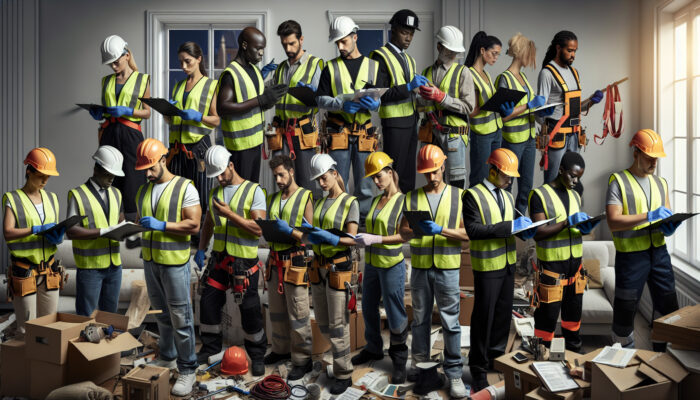
Complying with regulations set forth by the Health and Safety Executive (HSE) is crucial during house clearances. Ensuring that the safety equipment used meets these standards—including certification and tailored risk assessments for UK properties—helps to mitigate potential liabilities while enhancing overall safety. Compliance not only protects workers but also reduces the risk of legal repercussions for employers. Continuous training and updates on compliance requirements are vital to ensure that all personnel are fully informed about the necessary standards and practices to maintain a safe working environment.
What Best Practices Should Be Followed for Maintaining and Storing Safety Equipment?
Consistent maintenance and proper storage of safety gear are essential for house clearances in the UK. Regular inspections, thorough cleaning, and organised storage are fundamental practices that help preserve the integrity of equipment and prevent hazards arising from degraded items. Storing safety gear in a clean, dry environment can prolong its lifespan, ensuring continual safety and reliability during operations. Furthermore, implementing a maintenance schedule and encouraging team members to report any damaged gear can cultivate a culture of safety and accountability within the workplace.
How Does Safety Equipment Enhance Protection During House Clearance Operations?
What Protective Features Are Essential in Safety Equipment?
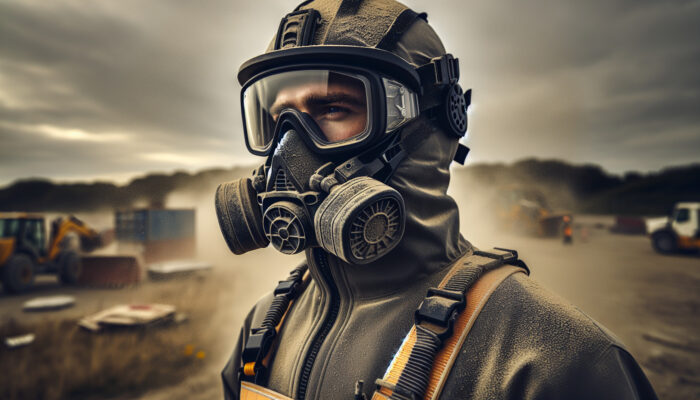
The protective features of safety equipment are crucial in safeguarding users from debris and hazardous chemicals across various environments in the UK. High-quality equipment typically includes features such as reinforced materials, adjustable sizing, and advanced filtration systems. For instance, safety goggles with anti-fog and UV protection significantly enhance visibility and eye safety in clearances filled with dust and debris. Moreover, equipment crafted from shock-absorbent materials is vital for protection against impacts, particularly when lifting heavy items or encountering potential falls. Real-world instances consistently demonstrate that investing in top-quality safety gear with these protective features leads to a marked reduction in accidents and injuries.
Which Mechanisms Are Most Effective for Injury Prevention?
Devices like harnesses, masks, and helmets are highly effective in preventing injuries by absorbing impacts and filtering air, tailored to typical UK house conditions. Harnesses are indispensable for preventing falls when working at heights or on unstable surfaces, while masks effectively filter out harmful particles, ensuring safe respiratory conditions in older or cluttered homes. Furthermore, hard hats serve as a critical line of defence against falling objects, which are prevalent during house clearances, especially in properties with unstable ceilings or loose fixtures. Regular inspections and correct usage of these devices are essential for ensuring reliable protection throughout house clearance operations.
What Factors Influence the Effectiveness of Safety Equipment?
The quality of materials and the fit of safety equipment are fundamental aspects in ensuring adequate protection during house clearance tasks in the UK. Equipment made from high-grade materials, such as reinforced plastics and durable fabric blends, promises longevity and resilience against wear and tear. Additionally, ensuring that gear fits correctly is equally vital, as improperly fitted equipment can compromise safety and increase discomfort for the user. For example, safety helmets should be adjustable to fit securely without being overly tight, while gloves must be the correct size to allow for dexterity while still offering protection. Investing in well-fitted, high-quality equipment enhances safety outcomes and boosts user confidence during clearance operations.
Professional Insights on Safety Equipment for House Clearance in the UK
What Recommendations Do Industry Experts Provide for Safety Practices?
Industry professionals advocate for a multifaceted approach when selecting and employing safety gear in UK contexts. One actionable step is to conduct thorough risk assessments prior to starting any house clearance. This process not only identifies potential hazards but also informs the selection of suitable safety equipment tailored to those specific risks. Real-world examples from experienced practitioners illustrate that adopting a systematic approach—such as ensuring all team members are properly trained in the use of safety gear—can significantly cut down on injury incidences. Additionally, regular safety meetings that reinforce best practices and the importance of wearing personal protective equipment (PPE) can foster a strong culture of safety within the team.
What Critical Criteria Should Be Evaluated When Selecting Safety Equipment?
When selecting safety equipment, several critical criteria must be considered to optimise safety outcomes. Certification and usability are paramount; equipment should meet UK-specific guidelines and be appropriate for the tasks at hand. For example, choosing gloves that offer both cut resistance and dexterity is essential when handling sharp items during a clearance. Moreover, consulting user feedback and industry reviews can ensure that the selected equipment is well-regarded for its performance and reliability in real-world scenarios. This expert evaluation aids in making informed choices that enhance safety and productivity.
What Advanced Strategies Can Enhance Protection During House Clearance?
Integrating innovative tools into house clearance operations can significantly boost safety and efficiency. For instance, employing drones for aerial inspections of larger properties can help identify potential hazards, such as structural issues, before workers even arrive on-site. This forward-thinking approach allows for better planning and risk management. Expert advice also highlights the need to adapt safety gear to meet the unique challenges posed by various properties. For example, when clearing an older home with potentially hazardous materials, investing in specialised respirators that provide adequate filtration against asbestos can deliver superior protection. Such proactive strategies underscore the importance of being ahead in implementing safety measures.
What Are the Essential Safety Items for House Clearance?
How Can You Determine Necessary Protective Gear?
Determining the vital protective gear for house clearance requires an assessment of the specific risks associated with the environment. Key items include safety goggles, gloves, hard hats, and respiratory protection. When selecting these items, it is crucial to ensure they are readily available from reputable UK suppliers. Top-rated options may comprise:
- Bollé Safety Goggles
- Honeywell Safety Gloves
- 3M Respirators
- Centurion Hard Hats
- DeWalt Safety Boots
- Portwest High-Vis Vests
- Snickers Protective Overalls
- St John Ambulance First Aid Kits
Focusing on UK availability and effectiveness in various clearance situations guarantees that selected items are practical and comply with safety regulations. This approach not only aids in achieving safety compliance but also enhances operational efficiency.
What Standard Equipment Is Required for Different Environments?
Diverse environments demand tailored safety equipment to ensure comprehensive protection during house clearances. Urban UK homes may present unique challenges, such as confined spaces and the presence of hazardous materials, necessitating equipment like gas detectors and compact fire extinguishers. Conversely, rural properties may require gear designed to protect against environmental elements, such as waterproof clothing and sturdy walking boots suitable for uneven terrain. By ensuring that the safety equipment is adaptable to local conditions, user protection is maximised, and the efficiency of house clearance operations is improved.
How Can You Upgrade Equipment for Longevity?
Strategies for maintaining and upgrading safety equipment are critical for ensuring sustained protection during repeated house clearances. Regularly assessing the condition of gear, replacing worn items, and investing in higher-quality products can significantly extend the lifespan of equipment. Additionally, establishing a routine for cleaning and appropriately storing safety gear will help prevent contamination or degradation. For instance, using dedicated storage solutions that are dry and shielded from direct sunlight can safeguard items from premature wear and tear, ensuring that workers are consistently equipped with reliable gear for their safety.
Evidence-Based Advantages of Safety Equipment in House Clearance in the UK
How Does Safety Equipment Help Reduce Accident Rates?
Research indicates that the use of safety equipment plays a pivotal role in decreasing accident rates during house clearance operations in the UK. Data-driven improvements highlight that companies implementing comprehensive safety measures tend to experience fewer injuries and associated costs. For instance, a study conducted by the HSE revealed that organisations with robust safety protocols, including the use of PPE, witnessed a significant decline in reported accidents. This evidence underscores the importance of investing in safety equipment as a strategy to promote worker welfare and ensure operational continuity.
What Long-Term Health Benefits Does Safety Equipment Offer Users?
Consistent use of safety equipment provides substantial long-term health benefits for individuals engaged in house clearance. Research shows that wearing protective gear not only prevents immediate injuries but also helps alleviate chronic health issues, such as respiratory conditions linked to dust exposure or musculoskeletal disorders arising from improper lifting techniques. To further enhance these health benefits, it is essential to offer training on the proper use of equipment and ergonomic practices. Educating workers on maintaining appropriate posture while lifting and using equipment correctly can significantly lower the risk of long-term health problems, ultimately resulting in a healthier workforce.
How Can Research Findings Be Implemented into Daily Practices?
Applying research findings to daily practices in house clearance can ensure that safety standards are continually improved. Expert analysis suggests that incorporating evidence-based strategies, such as regular safety audits and feedback mechanisms from workers, fosters an environment of ongoing enhancement. Additionally, leveraging data to identify recurring hazards and addressing them through targeted training sessions can cultivate a more informed workforce capable of navigating complex clearance tasks securely and effectively.
What Economic Benefits and Cost Savings Are Associated with Safety Equipment Investment?
Investing in safety equipment for house clearance not only enhances worker protection but also yields economic benefits and cost savings. Research demonstrates that companies implementing safety measures typically incur lower overall costs due to a reduction in injury-related expenses and operational downtime. Studies show that organisations with comprehensive safety protocols experience improved financial returns, as the costs associated with accidents and insurance claims are significantly diminished. This financial incentive highlights the necessity of prioritising safety equipment within house clearance strategies, making it a sound business decision.
What Role Does Training and Education Play in Enhancing Safety Practices?
Structured training programmes focused on safety equipment significantly improve user competence during house clearance. Studies reveal that comprehensive training reduces risks by equipping workers with the knowledge and skills necessary to handle equipment effectively and respond to emergency situations. Expert-guided simulations based on real-world scenarios can further enrich the learning experience. By preparing workers through practical examples, companies can cultivate a culture of safety that leads to sustained improvements in clearance operations and enhances overall performance.
Proven Strategies for Effectively Using Safety Equipment in House Clearance
What Routine Checks Ensure the Reliability of Safety Equipment?
Routine checks are essential for maintaining the reliability of safety equipment during house clearance tasks in the UK. Regular inspections can prevent equipment failures, ensuring that all gear functions as intended and meets safety standards. Developing a checklist for daily inspections—including evaluations for wear and tear, operational functionality, and cleanliness of equipment—helps uphold high safety standards. This proactive approach fosters a culture of safety and accountability among workers, ensuring that everyone is dedicated to maintaining a secure working environment.
What Effective Training Methods Can Enhance User Skills?
Effective training methods tailored to UK environments can substantially improve workers' skills in managing safety equipment. Emphasising hands-on training approaches allows users to become familiar with the specific gear they will be using in real scenarios. Workshops that merge practical demonstrations with theoretical knowledge ensure that team members grasp the significance of using safety equipment correctly. Reinforcing these skills through ongoing training sessions promotes confidence and competence among workers, ultimately contributing to safer clearance operations.
How Can Strategies Be Tailored to Address Unique Challenges in House Clearance?
Adapting strategies to meet the unique challenges posed by various UK properties is critical for ensuring safety during house clearance. Recognising the specific risks associated with different environments allows for tailored approaches that enhance user confidence and overall safety. For instance, properties with narrow staircases or limited access may require meticulous planning and the use of specialised equipment, such as compact tools or lightweight lifting aids. By concentrating on practical applications, teams can effectively navigate these challenges while prioritising safety, thus enhancing the overall success of clearance operations.
What Emergency Response Strategies Should Be Established for Equipment Failures?
Implementing effective emergency response strategies for equipment failures during house clearance is vital for maintaining safety in the UK. Establishing clear protocols for addressing equipment malfunctions—including immediate response training and backup systems—can help protect users and sustain workflow. Regular emergency drills that simulate equipment failures ensure that workers are prepared to respond promptly and efficiently in real situations. This preparedness minimises disruption and enhances overall safety during house clearance operations, reinforcing the significance of readiness and adaptability.
How Can Compliance with UK Safety Regulations Be Ensured?
In the UK, ensuring that safety equipment adheres to current regulations is essential for the successful execution of house clearance operations. Conducting regular audits and making necessary updates to comply with legal standards helps mitigate risks, fostering a culture of compliance and user protection. Maintaining thorough documentation of safety equipment—including inspection records and training logs—demonstrates diligence in adhering to regulations. This practice not only reduces legal risks but also reinforces the importance of safety within the workforce, promoting a proactive approach to compliance.
Key Regulations Governing Safety in House Clearance in the UK
Why Is Legal Compliance Vital?
Adhering to UK laws regarding equipment usage is crucial for minimising liabilities and ensuring worker welfare during clearances. Compliance with these standards protects both employees and employers from legal repercussions while fostering a safer working environment. Understanding and implementing these regulations is essential for preserving the integrity and effectiveness of house clearance operations.
How Can One Stay Updated on Safety Guidelines?
Monitoring updates in UK regulations is vital for maintaining compliance in house clearance. Best practices for staying informed include regularly reviewing announcements from the Health and Safety Executive (HSE) and subscribing to relevant industry newsletters. Resources to consider are:
- HSE website
- Occupational Safety and Health Administration (OSHA) guidelines
- Industry safety publications
- Safety training organisations
- Professional associations within the environmental services sector
By proactively sourcing information, businesses can ensure they remain compliant with the latest safety rules and standards, thereby protecting their operations and workforce.
What Are the Consequences of Non-Compliance in Operations?
Understanding the penalties for non-compliance under UK law is fundamental for house clearance operations. Consequences may include substantial fines, legal actions, and potential business closures, underscoring the necessity of stringent adherence to safety regulations. This awareness encourages strict compliance with safety protocols, safeguarding both individuals and businesses from the severe implications of negligence in safety practices.
What Is the Mandatory Use of Personal Protective Equipment (PPE) in House Clearance?
Under UK law, specific PPE is mandated during house clearance to protect against risks such as asbestos or sharp objects. Essential items include hard hats, safety boots, and respiratory protection. Adhering to these standards, as outlined by the HSE, prevents accidents and ensures legal compliance; workers must be adequately trained to use these items effectively and safely.
What Guidelines Must Be Adhered to for Identifying and Handling Hazardous Substances?
House clearance operators in the UK must follow stringent guidelines for identifying hazardous substances, such as chemicals or asbestos, to prevent exposure. Regulations set forth by the HSE demand proper labeling, storage, and disposal methods. Non-compliance can lead to severe health risks and penalties. Comprehensive training and thorough risk assessments are critical to ensure that all personnel are equipped to handle these materials safely and responsibly, minimising health and safety risks.
Frequently Asked Questions
What Types of Safety Equipment Are Essential for House Clearance?
Essential safety equipment for house clearance includes gloves, hard hats, safety goggles, high-visibility vests, respirators, and steel-toed boots, all specifically designed to protect against the various hazards encountered during the process.
How Frequently Should Safety Equipment Be Inspected?
Safety equipment should be inspected regularly, ideally before each use. Implementing a daily checklist for inspections ensures that all gear is functional and safe for operation, thereby maximising protection.
What Are the Legal Requirements for PPE in the UK?
In the UK, specific PPE must be worn during house clearance, including hard hats and safety boots, as mandated by the HSE to safeguard workers from potential hazards and ensure compliance with safety regulations.
Can Safety Training Effectively Reduce Accident Rates?
Yes, comprehensive safety training can significantly decrease accident rates by equipping workers with the knowledge and skills necessary to utilise safety equipment effectively and respond to emergencies with confidence and competence.
What Should Be Done If My Safety Equipment Fails?
If safety equipment fails, cease using it immediately and follow established emergency protocols. Ensure that all team members are trained to handle such situations calmly and efficiently to mitigate risks and maintain safety.
Are There Specific Guidelines for Hazardous Waste During House Clearance?
Yes, UK regulations dictate strict guidelines for identifying, handling, and disposing of hazardous waste, including proper labeling and storage, to prevent worker exposure and environmental contamination during house clearance operations.
How Can I Ensure Compliance with Safety Regulations?
Regular audits and updates to safety practices, along with thorough documentation of safety equipment and training, help ensure compliance with UK safety regulations, effectively reducing legal risks and enhancing workplace safety.
What Impact Does Safety Equipment Have on Operational Costs?
Investing in safety equipment can lower operational costs by reducing injury-related expenses and downtime, ultimately resulting in better financial returns for companies that prioritise safety in their house clearance operations.
Is PPE Sufficient to Ensure Safety During House Clearance?
While PPE is crucial, it must be supplemented with training, proper procedures, and risk assessments to create a comprehensive safety strategy that effectively protects workers during house clearance activities.
How Can I Stay Updated on Changing Safety Regulations?
Staying informed about changing safety regulations can be achieved by regularly checking resources such as the HSE website, industry publications, and participating in professional associations relevant to house clearance services.
Connect with us on Facebook!
The Article: Safety Equipment for House Clearance in the UK Was First Found At https://birminghamhouseclearance.com
The Article Safety Equipment for UK House Clearance: Essential Gear Was Found On https://limitsofstrategy.com


No responses yet