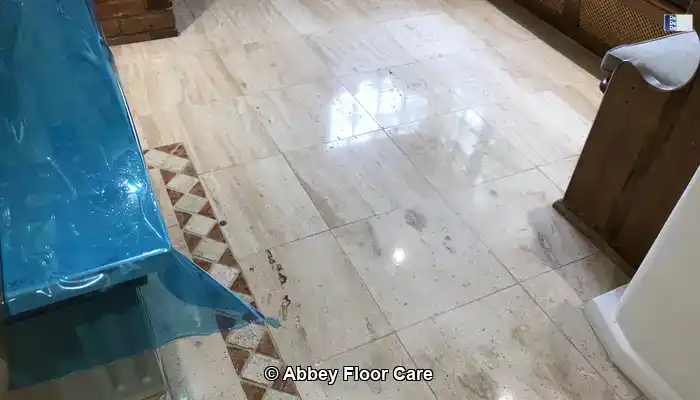
Essential Strategies for Effective Vein Cut Travertine Restoration
- Identifying the distinctive linear wear patterns of vein cut travertine is vital, as these inherent markings contribute to dullness, streaking, and pitting that correspond with the stone’s internal structure rather than appearing at random locations.
- Exploring the various causes of surface issues—including soiling, etching, degraded sealers, and concealed voids—is crucial for executing a customised restoration strategy, highlighting the importance of precise diagnosis.
- Implementing professional deep cleaning methods effectively eliminates trapped soil within pits and grout lines that conventional mopping fails to address, thereby uncovering the stone’s true condition and potential.
- Utilising gentle refinement techniques and appropriate fillers facilitates safe restoration of the surface, improving clarity without creating new voids or jeopardising the stone’s structural integrity.
- Applying breathable impregnating sealers safeguards the stone while preserving its natural look, promoting a cleaner floor over extended periods and streamlining routine cleaning tasks.
Understanding the Natural Wear Patterns of Vein Cut Travertine Over Time

Why Does This Stunning Stone Become Fragile With Regular Use?
Vein cut travertine is meticulously sliced along the natural layers formed by ancient mineral springs, displaying exquisite long, linear bands and parallel voids throughout the tile. These voids, positioned just beneath a fragile surface layer, initially allow the stone to appear remarkably clean and uniform. However, as this top layer diminishes over time, the stone becomes more vulnerable to damage. Understanding this unique structure clarifies why the surface may develop narrow pits, dull streaks, or lines of weakness over time, necessitating careful restoration techniques aimed at preserving its timeless beauty and enhancing its durability.
Expert Insights: Top Products for Daily Travertine Maintenance
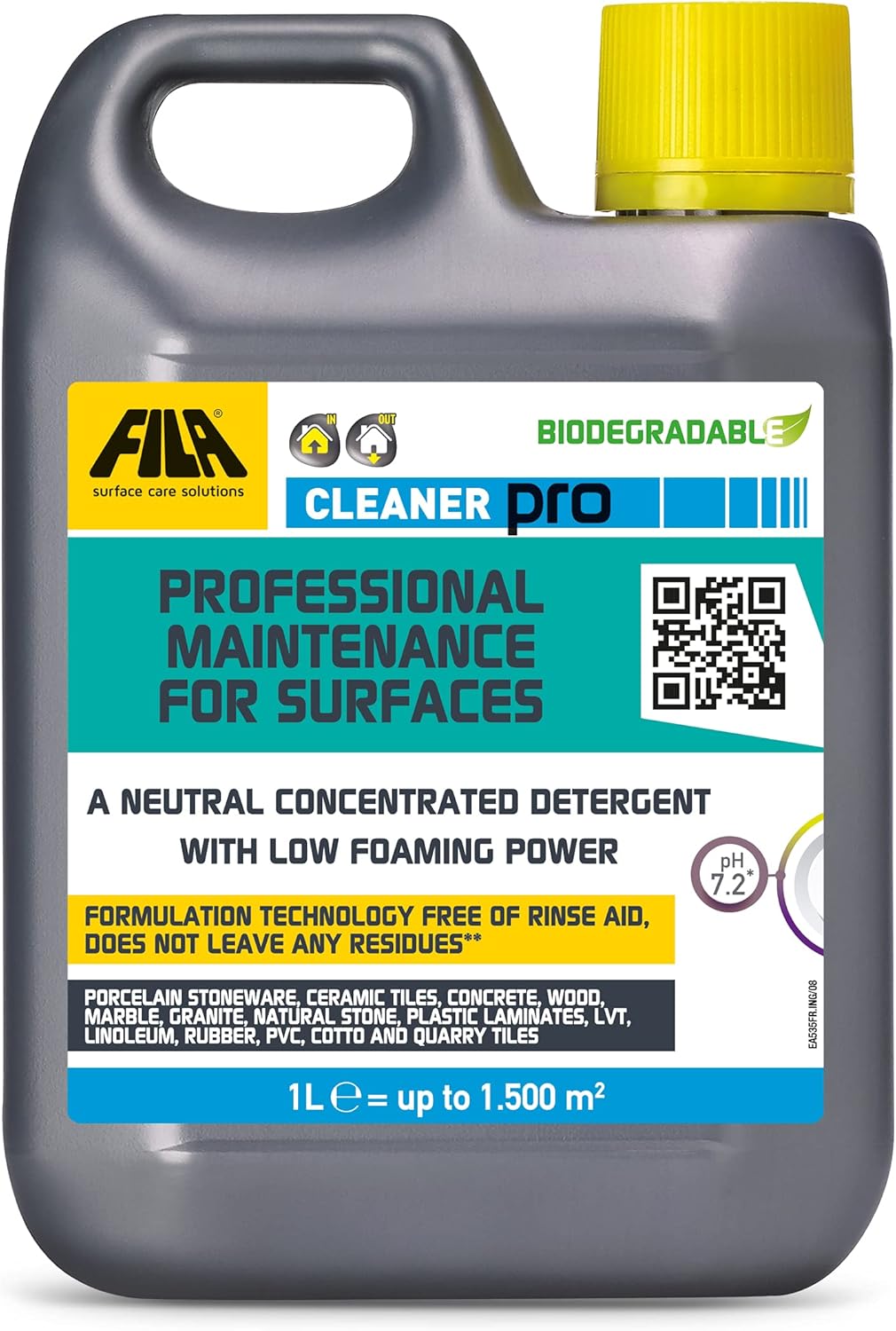
Fila Pro Floor Cleaner
|
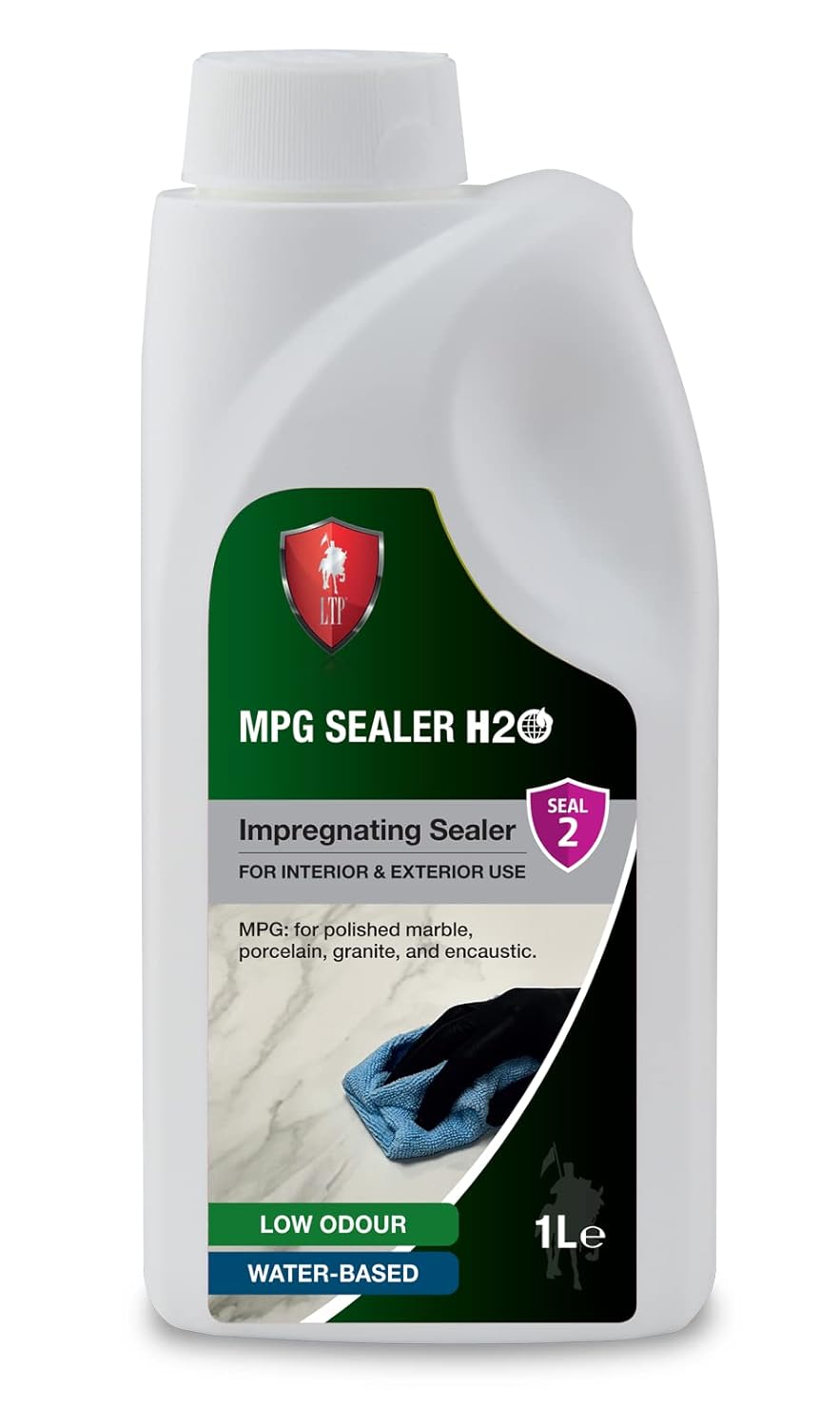
LTP MPG Sealer H20
|

Vileda H2PrO Spin Mop System
|
How Do Hidden Cavities Contribute to Pitting and Visible Wear?
This stone behaves similarly to a Crunchie bar: it has a firm outer crust concealing hidden pockets underneath. As foot traffic, harsh cleaning agents, or abrasive pads compromise the surface, the coverings of these pockets can break away, leading to the emergence of long, narrow pits. These pits often align with the natural veins of the stone, appearing in a repetitive pattern. Once exposed, they readily trap soil, causing the floor to seem dirty regardless of how often it is cleaned. This scenario underscores the vital need for timely maintenance and attentive care.
Why Are Streaks and Bands Indicative of Surface Wear?
The orientation of voids within the stone means that surface wear typically manifests as streaks or soft bands rather than random marks. These specific areas lose their protective sealer more rapidly, absorbing more soil and dulling more quickly than the surrounding tiles. Additionally, light scratches follow this directional pattern, making them more apparent. Understanding these behavioural patterns allows for targeted and gentle restoration efforts, thereby protecting the stone while enhancing its clarity and preserving its inherent elegance.
Identifying the Symptoms of Travertine Deterioration

What Does Dullness Indicate for Your Floor?
When a vein-cut travertine floor begins to appear flat or lifeless, it is rarely due solely to dirt accumulation. Typically, the fragile protective sealer has worn away, allowing fine scratches to accumulate across the surface. These minuscule abrasions scatter light, resulting in a grey, lacklustre appearance—even after a thorough mopping. This condition suggests that the surface requires controlled refinement rather than the application of stronger cleaning agents, which could further damage the stone and exacerbate the issue.
Why Do Pits and Dark Spots Keep Emerging?
Small pits and dark specks develop when the delicate caps over internal voids deteriorate. In vein cut travertine, these pits often manifest in orderly lines. Once they become exposed, they tend to fill with soil, making them challenging to eliminate with standard cleaning products. The appearance of new pits does not indicate a flawed stone; rather, it reflects the stone’s natural structure and highlights the necessity for gentle filling and resealing to maintain its integrity and aesthetic appeal over time.
What Do Dark Grout Lines Indicate?
Travertine often exhibits noticeable darkening around grout joints and at the edges of slightly raised tiles. These areas tend to trap dirty mop water, especially where the sealer has worn thin. Over time, the grout absorbs this soil, resulting in an overall uneven colour on the floor. This symptom underscores the need for a thorough deep clean rather than repeated mopping, which may prove ineffective in restoring the floor’s appearance and shine.
Understanding Stains, Etching, and Moisture Marks
Spills from wine, fruit juices, or bathroom products can leave behind light marks or dull patches. These are not stains but rather etching—chemical reactions that roughen the stone’s surface. True stains occur when liquids penetrate through a compromised sealer into deeper cavities. Moisture marks, particularly in bathrooms, indicate that the stone has absorbed water and requires controlled drying prior to any restoration efforts to prevent further damage.
How Professionals Diagnose the Underlying Causes of Damage

How Can You Differentiate Between Dirt and Structural Wear or Chemical Damage?
A travertine floor may appear “dirty” for a variety of reasons, with symptoms often overlapping. What seems like grime might actually be pits that have opened up and filled with soil, while a dull patch could indicate chemical etching rather than dirt. A comprehensive assessment is necessary to distinguish surface contamination from deeper structural issues, ensuring the floor receives the correct treatment rather than futile cleaning attempts that do not enhance its appearance.
Why Do Hidden Cavities Impact the Restoration Strategy?
Vein cut travertine features long, narrow cavities beneath its surface. Although these voids might not be immediately visible, they significantly influence the stone’s response to honing and filling. If the surface is overly refined, new pits may unexpectedly form as deeper voids become exposed. By identifying existing weak areas and understanding the orientation of the veins within the tile, the restoration process can be optimised to minimise disruption while still enhancing clarity and texture.
How to Identify Old Coatings, Failing Fillers, and Installation Issues Early
Older floors may have been treated with acrylic polishes or waxes that trap soil and discolour over time. These must be thoroughly stripped before any restoration work begins. Additionally, resin fillers can fail, becoming discoloured or dislodged due to the stone shifting or if the original installation was lacking. Early detection of issues such as hollow tiles, loose bedding, or inadequate grout work is essential for devising a restoration plan that addresses these limitations, thus preventing unforeseen complications in the future.
Reviving Travertine Through Expert Deep Cleaning Techniques
The Most Effective Cleaning Products for Safeguarding Your Stone
Travertine requires cleaning solutions that effectively lift soil without compromising the stone’s delicate surface. High-alkaline products are employed to break down greasy residues, while specialised stripping agents remove old coatings and waxes that can accumulate over time. In bathrooms, mould removers are crucial for eliminating biological growth. Avoid acidic or harsh supermarket cleaners, as they can react with the stone, leaving pale etched patches that are irreparable. Selecting the appropriate cleaning chemistry ensures that the process enhances the surface rather than damaging it.
How Do Professionals Remove Soil from Pits Without Causing Damage?
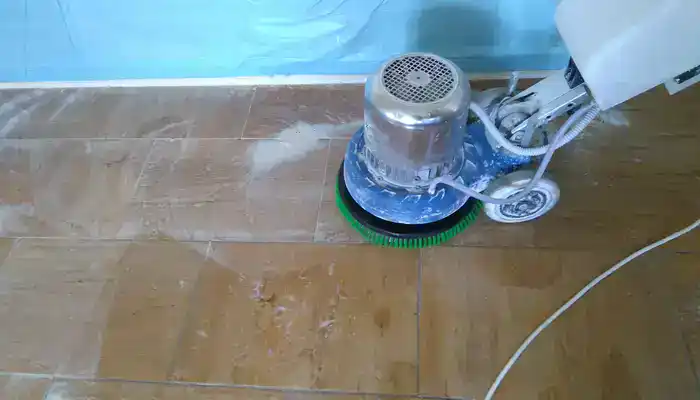
Pits and cavities retain soil tightly, necessitating gentle mechanical agitation. Low-speed machines equipped with nylon or carbide brushes effectively lift dirt from these holes without damaging the fragile surface caps. Abrasive pads, particularly green pads, should be avoided as they may expose new pits and worsen the stone’s appearance. Handwork is employed in edges and challenging areas to ensure that every section of the floor receives equal attention and care, which is vital for achieving optimal results.
Why Is Thorough Rinsing and Extraction Crucial?
Once the soil has been loosened, it must be removed immediately. Multiple rinses with fresh water ensure that the loosened grime does not settle back into pits or grout joints. A wet vacuum is employed to extract the slurry before it dries, preventing streaks and ensuring the stone is genuinely clean. This step is particularly vital for travertine, as its porous structure will quickly reabsorb water if not appropriately sealed, potentially leading to further issues and deterioration.
Why Is Drying Critical Prior to Refining or Filling?
Due to its ability to retain moisture inside its voids, travertine must be thoroughly dried before any further work is conducted. Areas such as bathrooms that are frequently cleaned may require additional drying time. If fillers or sealers are applied while the stone is still damp, they may fail to bond correctly or could entrap moisture, resulting in dark patches later. An adequately dried surface ensures that subsequent processes—refinement, filling, and sealing—are executed effectively and yield a durable finish.
How Professionals Refine the Surface Carefully to Avoid Exposing New Pits
Why a Gentle Approach Is Essential for Protecting the Stone’s Surface
The surface of vein-cut travertine is inherently delicate compared to the underlying voids. Employing heavy abrasives or starting with a coarse grit can remove more of this surface than necessary, leading to the exposure of fresh cavities and the formation of new pits. A minimal-abrasion approach safeguards the stone’s natural structure while still enhancing clarity. By commencing with the finest grit capable of achieving visible improvement, the refinement process focuses solely on the areas that genuinely require attention, helping to maintain a smooth and balanced appearance across the floor.
How Are Refinement Levels Determined for Each Floor?
A typical refinement might follow a sequence of 400 → 800 → 1500 → 3000 grit; however, not all floors benefit from every stage. Floors with minor wear often respond well to a shortened sequence that avoids unnecessary material removal. Heavily worn areas may require slight refinement, yet each step is executed to preserve as much of the original surface cap as possible. This customised approach ensures that the finish appears consistent without disturbing deeper voids or compromising the stone’s integrity.
How Are Scratches, Etches, and Defects Seamlessly Blended?
Etching caused by acidic spills and fine scratches from daily use necessitate mechanical refinement. These imperfections cannot simply be cleaned away as they physically alter the surface. Localised honing can eliminate these defects, but it must be meticulously controlled to prevent noticeable contrasts between the repaired area and the surrounding stone. Directional scratches are particularly prominent in vein-cut travertine due to its linear pattern, thus the refinement process must follow the stone’s natural movement to ensure a seamless blend.
Why Spray-Burnishing Often Outperforms Heavy Polishing
Mechanical polishing is frequently less effective on vein cut travertine due to the voids disrupting the uniform contact needed for a high-gloss finish. Instead, spray-burning with an ultra-fine grit can introduce a natural-looking sheen without overworking the surface. This method enhances clarity and imparts a fresh, refined appearance while remaining realistic about what the structure can support. The aim is not to achieve a mirror finish but rather a clean, elegant finish that aligns with the stone’s character and aesthetic.
How Filling Enhances Surface Strength and Cleanliness
Why Do Factory Fillers Deteriorate Over Time?
Travertine is usually supplied with many of its natural voids filled at the factory, often with resin or a colour-matched compound. Over time, movement in the subfloor, fluctuations in moisture levels, or simply the passage of time can cause these fillers to loosen or darken. In vein cut material, these failures typically manifest as long, thin openings rather than round pits. When fillers deteriorate, soil accumulates rapidly, leading to an uneven appearance that is challenging to keep clean. Identifying failing fillers early allows for timely replacement before the surrounding stone begins to deteriorate and lose its appeal.
How to Choose the Right Filler for Each Type of Void
Each type of filler serves a specific purpose. Grout fillers are excellent for shallow pits due to their natural blending with the stone, quick drying time, and stability under typical use. Resin fillers are appropriate for deeper voids requiring greater strength, although they can darken the surrounding stone if overused. Two-part epoxies are reserved for substantial or structural cavities needing a more durable repair. Selecting the correct filler guarantees that the restored floor appears balanced, feels solid underfoot, and remains easier to clean and maintain over time.
How Colour-Matching Creates a Seamless, Natural Finish
Effective filler application should render repairs virtually invisible from a standing position. This requires careful colour-matching to the surrounding stone and an understanding of how vein cut patterns flow across each tile. Simply matching the tone is insufficient; the filler must also harmonise with the directional lines within the stone. Thoughtful blending prevents the eye from being drawn to repairs, helping the surface to appear more uniform and visually pleasing once restoration is completed.
Why Might New Voids Emerge During Restoration?
As the stone undergoes gentle refinement, hidden cavities may occasionally open up. This phenomenon is normal and reflects the stone’s inherent structure rather than any fault on the homeowner’s part. These new voids can be filled during the same process to maintain a consistent finish. By proceeding gradually and monitoring each stage, new pits can be managed without negatively impacting the overall appearance of the floor. This careful approach contributes to stabilising the surface while preserving the stone’s natural character and beauty.
How Sealing Protects and Enhances the Appearance of Stone
Natural, Breathable Protection for Everyday Living
Standard impregnating sealers penetrate the stone, significantly reducing the amount of moisture and soil the surface can absorb. They do not alter the appearance of the travertine, making them ideal for individuals who prefer a natural matte or honed finish. As they remain breathable, they permit moisture to traverse freely through the stone, minimising the risk of damp patches developing. For vein-cut travertine, this sealer helps prevent dirt accumulation in newly filled pits and simplifies routine cleaning tasks, ensuring the floor remains visually appealing.
Enhancing Sealers for Richer Colour and Defined Patterns
Enhancing impregnators offer the same protective advantages as standard sealers while also deepening the colour and accentuating the stone’s natural movement. This can enhance the warm tones and linear patterns intrinsic to vein-cut material, resulting in a richer, more sophisticated appearance. The enhancement is subtle rather than glossy, providing a refined finish that remains true to the stone’s character. This option is particularly beneficial when the floor appears washed out after a deep clean, revitalising its aesthetic charm.
When Is a Surface Coating Worth Considering?
Topical coatings sit atop the surface, creating a visible film that can add sheen or enhance resistance in high-traffic areas. They can be advantageous for older floors needing additional protection or where a gentle shine is desired. However, these coatings require more maintenance and may trap soil inside pits if not applied correctly. Given that vein cut travertine possesses long, narrow voids, topical coatings can accentuate imperfections if the underlying surface is not impeccably prepared. They should only be employed where genuinely beneficial to avoid complications.
How Does Sealer Choice Impact Cleaning and Longevity?
The type of sealer selected influences how easily the floor remains clean and how often maintenance is required. A good impregnator helps mop water glide across the surface instead of soaking into open cavities, which diminishes dark patches and streaks. Enhancers add depth while still protecting against stains. Topical coatings, while providing surface protection, necessitate ongoing care to prevent scuffing. Choosing the appropriate sealer guarantees that the restored finish endures longer and is easier to maintain, ultimately safeguarding the investment in your flooring.
What Results Can You Expect and the Natural Limitations of the Stone
What Excellent, Good, and Improved Finishes Should Look Like
The results achievable with vein cut travertine depend on the stone’s history, installation quality, and the condition of its surface caps. An “excellent” outcome typically means a clean, refined surface with well-blended fillers and minimal visible pits. A “good” outcome delivers a uniform appearance while still showcasing natural variation, albeit softened. An “improved” result presents a clean, stable surface where historical wear is visible but no longer dominates the overall aesthetic. Understanding these classifications helps establish clear, realistic expectations from the outset of the restoration process.
Why Might Pits Reappear Even After Restoration?
Travertine is characterised by its natural cavities, particularly in vein cut material where the voids align in long, narrow bands. As the stone wears, some of these hidden voids may reopen over time. This occurrence does not signify a failure of the restoration process; rather, it reflects the stone’s internal structure. When new pits arise, they can be filled during routine maintenance to maintain a consistent appearance across the floor, ensuring both beauty and functionality endure.
Why Can Achieving a High-Gloss Finish Be Challenging?
Achieving a uniform, high-gloss finish on vein cut travertine is difficult due to the internal cavity structure, which inhibits even polishing pressure. While refinement can enhance clarity and introduce a gentle sheen, attaining a mirror-like finish across the entire floor is rarely feasible. The objective is to highlight the stone’s natural beauty rather than exceed what its structure can comfortably support, creating a floor that is both elegant and practical.
When Do Moisture or Installation Issues Limit the Outcome?
Moisture trapped within the stone, hollow tiles, subfloor movement, or significant lippage can all restrict what restoration can accomplish. Moisture diminishes the efficacy of sealers, while hollow or unstable tiles may crack or lose filler. Excessive lippage necessitates aggressive grinding, which is rarely appropriate for vein cut travertine as it exposes deeper cavities. Early identification of these issues ensures that the restoration plan respects the stone’s limitations and avoids unnecessary risks while maintaining its aesthetic and functional integrity.
Strategies for Maintaining the Optimal Appearance of Vein Cut Travertine
Everyday Practices That Safeguard the Stone and Sealer
Consistent, gentle care is crucial for protecting both the sealer and the surface caps of travertine. Regular vacuuming eliminates grit that could scratch the stone, while microfibre mopping lifts everyday soil without forcing moisture into the pits. Using a pH-neutral cleaner maintains the protective sealer without stripping it away. This straightforward routine keeps the floor looking cleaner for longer and mitigates the natural dulling that occurs with regular use, ultimately preserving its beauty and appeal.
Why Should Deep Cleaning and Resealing Be Integral to Routine Care?
Over time, small quantities of soil naturally accumulate in pits and grout lines, even with proper daily maintenance. An annual or bi-annual deep clean removes this build-up and restores clarity across the surface. Resealing every three to five years helps prevent staining and keeps moisture out of the cavity network. Regular maintenance curtails the need for more intensive restoration later and preserves the work already completed, ensuring the floor remains stunning and functional for years to come.
What Common Mistakes Lead to Premature Wear?
Certain habits can shorten the lifespan of a restored floor. Acidic cleaners cause etching, steam cleaners force moisture into the voids, and abrasive pads can unnecessarily open new pits. Using supermarket detergents may also leave residues that attract soil, causing the floor to appear dirty more rapidly. Steering clear of these pitfalls helps the stone maintain its brightness, stability, and ease of cleaning on a day-to-day basis, contributing to its overall longevity and aesthetic appeal.
Simple Tips for Preventing Pits, Dullness, and Stains
Preventing premature wear centres around protecting the sealer and avoiding harsh treatments. Entry mats minimise grit transfer, while promptly cleaning spills prevents staining. Keeping the surface free from residues and using appropriate cleaners ensures the stone retains its colour and clarity. By following this uncomplicated routine, the restored finish lasts longer, and the floor maintains a serene and elegant appearance that enhances your living space.
Why Travertine Restoration Is Best Handled by Professionals
How a Diagnostic Approach Protects Your Floor
Travertine requires a careful, informed approach due to its delicate structure. A diagnostic assessment identifies the specific problems affecting the floor—whether they relate to soiling, etching, worn sealers, failing fillers, or structural weaknesses. By understanding the stone before work begins, the restoration process avoids unnecessary abrasion or over-cleaning. This ensures that the procedure strengthens the surface rather than exposing new weaknesses or creating additional pits, leading to a successful restoration.
Why Gentle Techniques Yield Optimal Long-Term Results
The thin surface caps on vein cut travertine mean that overly aggressive honing or unsuitable chemicals can cause permanent damage. Gentle refinement removes just enough material to enhance clarity while preserving the stone’s natural integrity. Using the correct chemistry prevents etching and protects the fillers from degradation. This controlled approach yields results that are both visually appealing and durable without compromising the floor’s stability, ensuring it remains a beautiful feature of your home.
How the Right Fillers Foster a Stable, Attractive Finish
Selecting and applying the appropriate filler is vital for achieving a durable, well-balanced finish. Structural voids necessitate strong, stable materials, while surface pits benefit from colour-matched grout that seamlessly blends with the stone. A specialist understands how each filler behaves and how it interacts with the directional movement of vein cut patterns. This expertise ensures the restored surface feels solid, appears natural, and remains easier to maintain over time, enhancing the overall aesthetic of your flooring.
The Importance of Skilled Restoration for Complex Stone Types
Vein cut travertine responds exceptionally well to expert restoration when handled appropriately. A skilled technician knows how to refine the surface, discreetly fill voids, and apply the right sealing system to protect the stone for years to come. The result is a cleaner, more tranquil, and elegant floor that integrates seamlessly into the home. Engaging a specialist provides confidence and reassurance, ensuring that the work enhances the stone’s natural beauty without compromising its integrity.
Frequently Asked Questions Regarding Travertine Restoration
How Often Should Vein Cut Travertine Be Professionally Cleaned?
Most floors benefit from a deep clean every one to two years, depending on traffic levels and the effectiveness of daily maintenance. Regular cleaning prevents soil from accumulating in pits and grout lines, thereby reducing the need for more intensive restoration in the future and maintaining the floor’s pristine appearance.
Will New Pits Develop After Restoration?
New pits may emerge over time because they originate from natural voids within the stone rather than solely from surface wear. Restoration stabilises the visible pits, but hidden voids may open with the passage of time. These can be filled during routine maintenance to maintain a consistent appearance across the floor, ensuring both beauty and functionality.
Can a High-Gloss Finish Be Achieved on Vein Cut Travertine?
A full mirror-like polish is rarely attainable due to the internal cavity structure, which inhibits even polishing pressure. A soft sheen or subtle clarity enhancement is usually achievable, but the result is contingent upon the stone’s condition and installation quality, aiming for a visually appealing finish without compromising the stone’s character.
Do Topical Sealers Simplify Travertine Maintenance?
Topical sealers can be beneficial in some cases, but they often require more frequent maintenance and may accentuate imperfections if the surface is not perfectly prepared. For most residential applications, a breathable impregnator offers the best balance of protection and low-maintenance care, ensuring that your travertine remains elegant and functional.
How Long Can a Restored Travertine Floor Maintain Its Appearance?
With proper daily care, periodic deep cleaning, and resealing every three to five years, a restored floor can retain its appearance for many years. Longevity depends on factors such as traffic levels, cleaning habits, and how well the protective sealer is maintained, contributing to the floor’s lasting beauty and usability.
Final Thoughts on Travertine Restoration
Vein cut travertine boasts a unique beauty derived from its natural linear structure, but this same structure necessitates careful handling to protect both the thin surface caps and the underlying voids. When restored with the optimal balance of cleaning, refinement, and filling, the stone can regain its clarity and colour while preserving its authentic character and charm.
The key to long-term success lies in understanding the stone’s behaviour and selecting methods that work harmoniously with its natural features rather than against them. Gentle honing, precise filler selection, and breathable sealing all play critical roles in maintaining the strength and aesthetic appeal of the floor, ensuring its beauty for years to come.
With an effective care routine in place, a restored vein-cut travertine floor remains cleaner, brighter, and easier to maintain, becoming a dependable and elegant addition to the home that provides both visual warmth and enduring performance.
About the Author
David Allen is a natural stone and tile restoration expert with over 30 years of hands-on experience working in homes throughout the UK. His career has focused on restoring, protecting, and preserving surfaces ranging from delicate Victorian encaustic tiles to high-value marble and limestone installations.
David’s expertise includes deep mechanical refinishing, stain and etching correction, diamond abrasive sequencing, breathable sealing systems, and the restoration of intricate heritage flooring. His approach is grounded in practical, real-world problem-solving informed by thousands of completed projects.
Dedicated to providing clear, practical education for homeowners, David emphasises safe processes, long-term protection, and straightforward maintenance techniques that prevent accidental damage. His calm, knowledgeable communication style instills confidence in homeowners as they learn to understand and care for their stone surfaces.
The article Vein Cut Travertine Restoration: An Expert Guide was first published on https://www.abbeyfloorcare.co.uk
The Article Vein Cut Travertine Restoration: A Comprehensive Guide appeared first on https://fabritec.org
The Article Vein Cut Travertine Restoration Made Easy: A Quick Guide Was Found On https://limitsofstrategy.com


No responses yet