Discover the Wonders of Homemade Kvass: A Distinctive Fermented Beverage Crafted from Bread
What Sets Homemade Kvass Apart in the Beverage World?
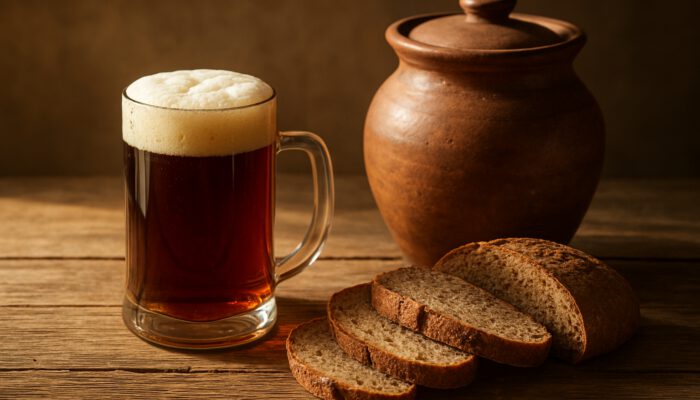
Homemade kvass is a unique fermented beverage derived from bread, renowned for its complex flavours and numerous health advantages. This traditional drink harnesses the natural yeasts present in bread, resulting in a tangy and invigorating refreshment enjoyed across various cultures globally. The delightful flavour and nutritional benefits of kvass arise from its straightforward yet wholesome ingredients, making it an attractive option for those pursuing a healthier choice over commercial beverages.
The fermentation process not only heightens the flavour but also infuses the drink with probiotics, vitamins, and minerals. These attributes have made kvass particularly popular among health-conscious individuals. Many people appreciate its low alcohol content and effervescent quality, making it an excellent companion for meals or a revitalising drink during warm weather.
Kvass can be tailored with diverse ingredients across different regions, showcasing local tastes and preferences. This versatility has contributed to its enduring appeal for centuries, ensuring that homemade kvass remains a beloved beverage in countless households worldwide.
How to Choose the Perfect Bread for Your Kvass
Selecting the right bread is vital for crafting authentic homemade kvass. Dense rye or sourdough loaves are ideal choices due to their robust flavour and natural yeast content, which effectively promotes fermentation. Rye bread, in particular, imparts a rich taste that enhances the tangy notes of kvass, while sourdough introduces beneficial bacteria that improve the drink’s probiotic qualities.
It is essential to choose bread free from additives or preservatives. Mass-produced breads may contain ingredients that hinder fermentation, leading to disappointing results. Opting for artisanal or homemade bread guarantees a purer fermentation process, allowing the natural flavours to shine in your kvass.
For optimal results, consider toasting or drying the bread before incorporating it into your kvass recipe. This preparatory step enhances flavour release during fermentation, yielding a more complex and enjoyable beverage.
Essential Equipment for Crafting Kvass
To successfully create homemade kvass, you will require some fundamental tools. Clean glass jars are crucial for the fermentation process, allowing you to monitor it closely while ensuring hygiene. A fine mesh strainer is necessary for separating the liquid from the solid bread remnants after fermentation, guaranteeing a smooth final product.
Airtight bottles are essential for storing your finished kvass. These bottles maintain carbonation and prevent spoilage by keeping air and contaminants out. It is advisable to use bottles designed for fermentation, as they can withstand pressure without breaking.
A thermometer can be a valuable tool for tracking the fermentation temperature. Maintaining a stable temperature is critical for achieving the desired flavour and carbonation levels in your homemade kvass, making this equipment an important aspect of your brewing setup.
Professional Insights into the Art of Homemade Kvass
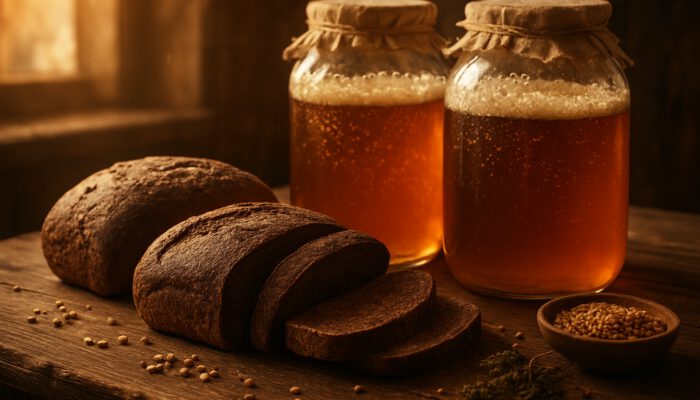
Key Principles of Fermentation for High-Quality Kvass
Grasping the fundamental principles of fermentation is crucial for producing exemplary homemade kvass. Temperature control is one of the most significant factors, as it directly affects yeast activity and flavour development. Ideally, fermentation should occur within a stable temperature range of 20°C to 25°C. Excessive heat can accelerate fermentation and generate undesirable flavours, while very low temperatures can substantially slow the process.
Timing is also critical for achieving a well-rounded flavour profile. The fermentation period can vary from one to several days, depending on environmental conditions and personal taste preferences. Regularly sampling your kvass during fermentation enables you to identify the right moment to halt the process, ensuring the final product meets your flavour expectations.
Striking a balance between sweetness and acidity is essential. The natural sugars present in bread convert to acids during fermentation, creating that signature tang. Monitoring sugar levels and adjusting the fermentation duration can aid in achieving the perfect equilibrium in your homemade kvass.
Daily Monitoring of the Fermentation Process
Consistent observation of the fermentation process is vital for creating a successful homemade kvass. Noticing bubbles and changes in aroma can provide valuable insights into the fermentation’s progress. Bubbles indicate active fermentation, while a pleasant yeasty scent signifies that the yeast is thriving.
Be cautious of over-fermentation, which can occur if kvass ferments for too long. Over-fermented kvass may develop an off-putting taste and elevated alcohol content. Frequent checks enable you to intervene when necessary, ensuring your kvass retains its refreshing characteristics.
Observe the appearance of the kvass closely. A cloudy liquid with a foamy head usually indicates active fermentation. If the liquid appears excessively clear or stagnant, it may signify yeast inactivity, prompting you to reassess your fermentation conditions.
Best Practices for Storing Finished Kvass
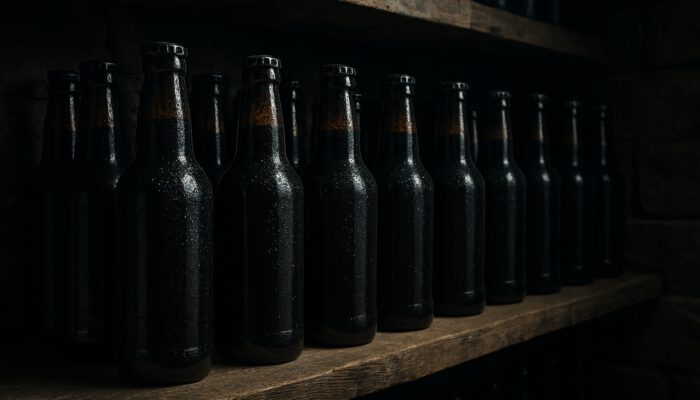
Proper storage of your finished kvass is essential for maintaining its quality and extending its shelf life. After bottling, keep the kvass in a cool, dark location, such as a refrigerator or cellar. This practice helps preserve the flavours and carbonation, ensuring that your drink remains refreshing and enjoyable.
Avoid exposing kvass to direct sunlight or high temperatures, as these conditions can lead to spoilage and flavour deterioration. If you plan to store your kvass for an extended period, consider using dark glass bottles to protect it from light-induced degradation.
It is also important to consume your kvass within a reasonable timeframe. While homemade kvass can last for weeks when stored properly, its flavour may evolve over time. Regularly tasting the kvass can help you determine the optimal time to enjoy it at its freshest.
Essential Ingredients for Crafting Homemade Kvass
Choosing Quality Water
The water you select for your homemade kvass plays a vital role in successful fermentation. Fresh, filtered water free from chlorine is ideal, as chlorine can inhibit yeast activity and adversely affect the flavour of the final product. Using spring water or well water can also lend a more natural taste, enhancing the overall quality of your kvass.
Avoid water with strong chemical tastes or odours, as these impurities can disrupt the delicate flavour balance in your kvass. If filtered water is unavailable, consider allowing tap water to sit for several hours to let chlorine dissipate before using it in your recipe.
Beyond being chlorine-free, the mineral content of the water can significantly impact fermentation. Water with a balanced mineral profile supports yeast health and contributes to a more complex flavour profile, making it an important consideration when selecting your ingredients.
Effectively Using Natural Sweeteners
Incorporating natural sweeteners into your homemade kvass can greatly enhance its flavour and support fermentation. Here are some key benefits of using ingredients such as honey or dried fruits:
- Rich Flavour: Natural sweeteners add depth and complexity to the taste of kvass.
- Enhanced Fermentation: The sugars from the sweeteners provide additional nourishment for yeast, promoting a more vigorous fermentation process.
- Health Benefits: Ingredients like honey offer natural antioxidants, vitamins, and minerals that can improve the nutritional profile of your kvass.
- Customisation: Experimenting with different sweeteners allows you to create unique flavour combinations tailored to your preferences.
When selecting sweeteners, opt for high-quality, organic options whenever possible. This ensures your kvass remains free from artificial additives and retains its wholesome characteristics. Adjust the amount of sweetener according to your taste preferences and the specific ingredients used in your kvass recipe.
Crafting a Well-Balanced Flavour Profile
Creating a harmonious flavour profile in your homemade kvass can significantly enhance the drinking experience. Experimenting with small amounts of herbs or citrus can introduce delightful variations without overpowering the base notes of the drink. For example, adding a sprig of mint or a slice of lemon can provide a refreshing twist that complements the tanginess of kvass.
Approach flavour experimentation gradually. Start with minimal quantities of additional ingredients and taste-test throughout the fermentation process. This allows you to observe how the flavours develop and adjust accordingly to achieve the desired balance.
Incorporating spices like ginger or cinnamon can also add warmth and complexity to your kvass. Be cautious not to overshadow the natural bread flavours, as the essence of homemade kvass lies in its simplicity and authenticity. Strive for a harmonious blend that enhances the overall drinking experience.
Choosing the Right Bread as Your Base
The type of bread you select as the foundation for your homemade kvass is crucial for determining its final flavour and health benefits. Traditional rye or sourdough bread is recommended due to their rich starch content and natural yeasts, both vital for promoting fermentation and resulting in a delicious and authentic kvass.
Rye bread, in particular, provides a distinctive flavour that pairs well with the tangy notes of kvass. Its dense structure facilitates better flavour extraction during fermentation, leading to a more robust final product. Sourdough, with its naturally occurring bacteria, adds beneficial probiotics, enhancing the health benefits of your kvass.
When selecting bread, ensure it is free from preservatives or artificial ingredients. This guarantees that the fermentation process remains unencumbered, allowing the natural flavours to shine. Exploring different types of bread can also yield unique flavour profiles, giving you the opportunity to create a personalised kvass that reflects your own taste preferences.
Scientifically Proven Benefits of Homemade Kvass
Nutritional Advantages from the Fermentation Process
Homemade kvass offers more than just a refreshing beverage; it also provides substantial nutritional benefits thanks to fermentation. During this process, beneficial bacteria and yeasts convert the sugars in the bread into probiotics and B vitamins. This natural transformation enriches the kvass, making it a nutritious addition to your daily diet.
Probiotics are renowned for their positive effects on gut health, aiding digestion and fostering a well-balanced microbiome. Regular consumption of kvass can support overall digestive function, making it an excellent choice for those eager to naturally enhance their gut health. The presence of B vitamins supports energy production and overall well-being.
Fermentation helps break down gluten and phytic acid in the bread, making these nutrients more bioavailable. This means your body can absorb these nutrients more effectively, further boosting the health benefits of homemade kvass.
Promoting Digestive Health
Moderate regular consumption of homemade kvass can provide significant support for digestive health. The live cultures found in kvass contribute to a healthy gut environment, encouraging the growth of beneficial bacteria. This can enhance digestion and nutrient absorption, making kvass a valuable dietary addition for those looking to improve their digestive health.
The natural acids produced during fermentation can also assist in breaking down food more efficiently, reducing bloating and discomfort after meals. Many individuals find that incorporating kvass into their diet helps alleviate digestive issues, thanks to its probiotic content and mild acidity.
Kvass serves as a refreshing alternative to sugary soft drinks, providing a healthier hydration option. Its effervescence and tangy flavour make it an enjoyable choice for those aiming to support their digestive health without sacrificing taste.
Exploring Antioxidant Properties
Research indicates that homemade kvass may possess antioxidant properties, further enhancing its appeal as a healthful beverage. The fermentation process generates compounds from the bread that can offer mild protective effects against oxidative stress within the body.
Antioxidants play a vital role in neutralising free radicals, which can cause cellular damage and contribute to various health issues. Including kvass in your diet may provide these protective benefits, supporting overall health and well-being.
Utilising high-quality ingredients in your kvass, such as organic bread and natural sweeteners, can further enrich its antioxidant content. This makes homemade kvass not only a delicious beverage but also a potential ally in promoting long-term health.
What Changes Occur During the Fermentation of Homemade Kvass?
Chemical Transformations During the Brewing Process
Fermentation is a multifaceted process involving various chemical transformations that convert ingredients into the delightful homemade kvass we savour. During brewing, yeast converts the sugars in the bread into organic acids and carbon dioxide. This conversion is responsible for kvass’ characteristic fizz and tangy flavour.
The production of carbon dioxide creates bubbles, contributing to the invigorating effervescence that many love in kvass. Simultaneously, organic acids enhance the drink’s sourness, enriching its overall flavour profile. Achieving the right balance between these elements is essential for obtaining the desired taste and texture in your kvass.
As fermentation progresses, the flavours evolve further, resulting in a more complex and enjoyable beverage. Monitoring the fermentation process allows you to seize the ideal moment when the flavours are just right, ensuring your homemade kvass is both delicious and refreshing.
How Does Fermentation Duration Impact Final Flavour?
The length of the fermentation period significantly affects the final flavour of your homemade kvass. Extended fermentation times typically yield bolder, more pronounced flavours, while shorter periods result in milder varieties. This variability enables you to tailor your kvass to your specific taste preferences, creating a personalised drinking experience.
As fermentation continues, the balance of sweetness and acidity shifts, leading to a more intricate flavour profile. If you prefer a tangy, intense kvass, allow it to ferment longer. Conversely, if a milder taste is more to your liking, a shorter fermentation period may be ideal.
Regular tasting during fermentation is vital for determining the perfect balance of flavours. This hands-on approach not only hones your brewing skills but also guarantees you create kvass that aligns with your unique palate.
Ensuring Safe Fermentation Practices
Maintaining proper hygiene during the fermentation process is essential to ensure that your homemade kvass remains safe for consumption. Contamination from unwanted bacteria or mould can lead to spoilage and health risks. Always commence with clean equipment and operate in a sanitised environment.
Monitor your kvass closely for any signs of spoilage. If you detect unusual odours, colours, or textures, it is best to err on the side of caution and discard the batch. Proper storage conditions, such as keeping kvass in a cool, dark location, also help mitigate the risk of contamination and spoilage.
Understanding the fermentation process and its potential hazards empowers you to make informed decisions. With meticulous attention to hygiene and continuous monitoring, you can relish the delightful flavours and health benefits of homemade kvass without compromising safety.
Proven Strategies for Crafting Homemade Kvass
Adjusting Recipes for Different Batch Sizes
When scaling recipes for homemade kvass, precision in adjusting ingredient proportions is crucial. Whether you are increasing the batch size for a gathering or simply wish to experiment with larger quantities, maintaining the correct ratios of bread, water, and sweeteners is vital for consistent results. A slight imbalance can lead to variations in flavour and fermentation success.
Begin by noting the measurements of the original recipe and then calculate the new proportions based on your desired batch size. Keeping a record of your adjustments can help you refine your process over time, allowing you to create a signature kvass that suits your preferences.
Consider the fermentation time when scaling up. Larger batches may require slightly longer fermentation periods due to the increased volume. Regularly sampling the kvass during the process can guide you in determining the optimal fermentation duration for your adjusted recipe.
Innovating with Unique Variations in Your Kvass
Experimentation is an integral aspect of crafting delightful homemade kvass. Trying out new bread types or flavour additions can broaden your options and lead to exciting new creations. Consider using different varieties of rye or sourdough, or even incorporating whole grains for a unique twist on traditional kvass.
When introducing new ingredients, start with small quantities to avoid overpowering the base flavours. Adding herbs, spices, or even fruits can create intriguing flavour profiles, allowing you to explore the endless possibilities of kvass-making. Keeping notes on your experiments can assist you in recreating successful batches in the future.
Embrace the trial-and-error process. Each batch of kvass presents an opportunity to learn and refine your techniques, making the journey of discovery as enjoyable as the final product itself.
Troubleshooting Common Issues in Kvass Production
Identifying and resolving common challenges in homemade kvass production can significantly enhance your future batches. One frequent issue is weak fermentation, which may arise from insufficient yeast activity or improper temperature control. If you observe minimal bubbling or a lack of flavour development, reassess your fermentation conditions and consider adjusting the temperature or adding a small amount of sugar to stimulate yeast growth.
Another common concern is over-fermentation, which can lead to excessive alcohol content or unappealing flavours. Regularly tasting your kvass during fermentation allows you to catch this issue early and halt the process at the right moment. If your kvass becomes too sour or alcoholic, consider reducing the fermentation time in subsequent batches.
Maintain diligence regarding hygiene practices. If you experience spoilage or off-flavours, it may result from contamination. Ensure all equipment is thoroughly cleaned and sanitised before use and keep a close watch on the kvass for any signs of spoilage to prevent issues in your brewing process.
Where to Source Quality Ingredients for Homemade Kvass
Identifying Reliable Suppliers
Sourcing quality ingredients for homemade kvass is essential for achieving optimal results. Seek out stores that specialise in baking supplies or local bakeries that offer fresh bread suitable for kvass-making. These establishments often provide artisanal options that are free from preservatives and additives, ensuring a more authentic fermentation experience.
Farmers’ markets can also be excellent sources for fresh, organic bread and natural sweeteners. Engaging with local suppliers not only supports your community but also allows you to inquire about ingredient sourcing and production methods, enabling informed choices.
Consider online retailers that specialise in organic or health foods. Many of these suppliers provide high-quality ingredients that can elevate your kvass, from specialty breads to natural sweeteners and flavourings. Always check reviews and look for certifications to ensure you are purchasing from reputable sources.
Assessing Ingredient Freshness
Before using any ingredients in your homemade kvass, evaluating their freshness is crucial to guarantee optimal outcomes. Always verify the expiration dates on bread and sweeteners, as stale ingredients can negatively impact fermentation and flavour. Fresh bread should have a pleasant aroma and a firm texture, indicating its quality.
When selecting sweeteners, such as honey or dried fruits, look for vibrant colours and rich scents. These indicators signify that the ingredients are fresh and will positively contribute to the fermentation process. If you notice any off-odours or unusual textures, it is best to discard those ingredients and seek fresher alternatives.
Proper storage of your ingredients is essential for maintaining freshness. Keep bread in a cool, dry place, and store sweeteners in airtight containers to prevent moisture absorption. By prioritising ingredient quality, you establish a strong foundation for your homemade kvass.
Preparing Ingredients in Advance
Preparing your ingredients ahead of time can streamline the kvass-making process and enhance the final product. Here are some key benefits of toasting or drying bread pieces before soaking:
- Enhanced Flavour Extraction: Toasting bread intensifies its flavour, resulting in a richer kvass.
- Improved Texture: Dried bread absorbs water more effectively, promoting optimal fermentation.
- Extended Shelf Life: Drying bread helps prevent mould growth, ensuring it remains fresh longer.
- Convenience: Prepped ingredients can save time during the brewing process, making it easier to create kvass on demand.
By thoughtfully preparing your ingredients, you set yourself up for success in crafting delicious homemade kvass. This attention to detail can elevate your brewing experience and contribute to a more enjoyable final product.
Avoiding Common Mistakes When Creating Homemade Kvass
Neglecting Temperature Control
One of the most frequent errors when making homemade kvass is failing to manage temperature effectively. Temperature fluctuations can halt fermentation or encourage spoilage, ruining your batch. Maintaining a stable environment, ideally between 20°C and 25°C, is crucial to ensure yeast remains active and flavours develop correctly.
To prevent temperature-related issues, consider using a thermometer to monitor conditions regularly. If your kitchen tends to be too warm or too cold, find a suitable fermentation spot, such as a cupboard or pantry, where temperatures remain consistent. This attention to detail can significantly influence the success of your kvass.
Be mindful of seasonal changes that may impact fermentation. Warmer months may accelerate fermentation, while colder months may slow it down. Adjusting your fermentation time accordingly can help you achieve the desired flavour and carbonation in your kvass.
Using Incorrect Ingredient Ratios
Employing incorrect proportions of ingredients can lead to inconsistent results in homemade kvass. Accurate measuring is key to achieving reliable flavour and carbonation. If the ratio of bread to water or sweeteners is off, it can negatively influence fermentation and the final taste of your kvass.
To avoid this mistake, always utilise a reliable scale or measuring cups to ensure accuracy. Keeping a record of your measurements can help you replicate successful batches in the future. If you are experimenting with new ingredients or scaling recipes, double-check your calculations to maintain the right balance.
Consistent proportions also contribute to predictable fermentation times. Establishing a baseline for your recipe allows you to better manage the fermentation process and achieve the desired flavour profile with each batch of kvass.
Ignoring Hygiene Practices
Neglecting hygiene standards can lead to unwanted bacteria affecting the quality of your homemade kvass. Thoroughly cleaning all tools and equipment before use is critical to preventing contamination. This includes jars, strainers, and bottles, as any residue can interfere with fermentation and spoil your batch.
Creating a clean workspace is equally important. Wipe down surfaces and ensure that your hands are clean before handling ingredients. This attention to hygiene will help you create a safe and enjoyable brewing environment.
Regularly checking your kvass for signs of spoilage is also essential. If you notice unusual odours or growths, it is best to discard the batch and start fresh. By prioritising cleanliness, you can ensure that your homemade kvass remains delicious and safe to consume.
Overlooking Fermentation Timing
Diligently tracking fermentation timing is vital for producing quality homemade kvass. Failing to monitor the fermentation duration can result in over-fermentation, causing excessive alcohol content or undesirable flavours. Conversely, under-fermentation can yield a bland drink lacking proper carbonation.
To prevent these issues, regularly taste your kvass during the fermentation process. This hands-on approach allows you to identify the optimal moment to cease fermentation based on your flavour preferences. Keeping a fermentation log can also help you track timing and refine future batches.
Recognising the signs of fermentation, such as bubble activity and aroma changes, can guide your decision-making. By remaining attentive to the fermentation process, you can create a balanced and enjoyable kvass that meets your expectations.
Selecting Inappropriate Containers
Choosing unsuitable containers for your homemade kvass can negatively impact both flavour and safety. Using non-food-grade containers can introduce contaminants, while poorly sealed bottles may allow carbon dioxide to escape, resulting in a flat drink. It is essential to select food-safe glass or plastic containers specifically designed for fermentation.
Ensure that your containers have airtight seals to maintain carbonation and prevent spoilage. Bottles with swing-top lids or screw caps are ideal for storing kvass, as they create a secure seal that withstands pressure. Avoid using containers that have previously held non-food items, as residues can alter the taste of your kvass.
Regularly inspect your containers for signs of wear or damage. Cracks or chips can compromise the integrity of the seal, potentially leading to spoilage. By prioritising suitable containers, you can ensure that your homemade kvass develops the desired effervescence and flavour profile.
Common Questions About Homemade Kvass
What is Homemade Kvass?
Homemade kvass is a traditional fermented beverage made from bread, typically rye or sourdough. It features a tangy, refreshing flavour and is often enjoyed for its probiotic properties and low alcohol content.
Can I use any type of bread for kvass?
While you can experiment with different breads, dense rye or sourdough loaves are recommended for their rich flavour and natural yeasts, which promote effective fermentation.
How long does kvass take to ferment?
The fermentation duration for kvass can range from one to several days, depending on temperature and personal taste preferences. Regular tasting helps determine the ideal fermentation time.
Is kvass safe to drink?
Yes, homemade kvass is generally safe to consume as long as proper hygiene practices are followed during preparation and fermentation. Keep an eye out for signs of spoilage to ensure safety.
How should I store Homemade Kvass?
Store homemade kvass in airtight bottles in a cool, dark place, such as a refrigerator, to maintain quality and extend shelf life. Consume within a few weeks for the best flavour.
Can I add flavourings to my kvass?
Absolutely! You can experiment with herbs, spices, or fruits to create unique flavour profiles. Start with small amounts to avoid overpowering the base taste of the kvass.
What are the health benefits of kvass?
Kvass offers several health benefits, including probiotics for gut health, B vitamins for energy, and potential antioxidant properties. Regular consumption may support overall well-being.
How can I troubleshoot weak fermentation?
Weak fermentation can result from insufficient yeast activity or improper temperature. Ensure you’re using fresh ingredients and maintain a stable fermentation temperature for optimal results.
Can I scale up my kvass recipe?
Yes, you can scale up your kvass recipe by accurately adjusting the proportions of ingredients. Keep a record of your measurements to maintain consistency across batches.
What should I do if my kvass tastes off?
If your kvass tastes off or has unusual odours, it may be spoiled. Discard the batch and review your hygiene practices and fermentation conditions to prevent future issues.
Visit our Facebook profile for more tips!
The post Homemade Kvass Fermented Bread Drink: Simple Brewing Guide appeared first on https://cookinggods.com
The Article Kvass: A Simple Guide to Brewing Homemade Fermented Drink Was Found On https://limitsofstrategy.com


No responses yet