Your Comprehensive Guide to Effectively Managing Store Card Debt in the UK
What Exactly Constitutes Store Card Debt?
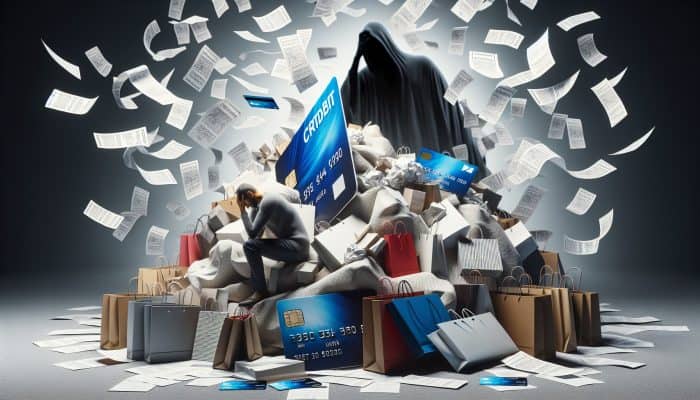
Store card debt refers to the total outstanding balances that consumers owe on credit cards issued specifically by retail stores. These cards often come with attractive promotional offers, such as discounts on first purchases, enticing many shoppers. However, they typically have high-interest rates that can lead to significant financial difficulties if not managed properly. Consumers often underestimate the risks associated with these cards, mistakenly believing that the benefits outweigh potential drawbacks. Failing to pay these balances on time can result in rapidly increasing debt levels. Therefore, having a solid grasp of the complexities of store card debt is vital for implementing effective debt management strategies.
When a consumer uses a store card, they are essentially borrowing funds from the retailer, often at interest rates that exceed those of traditional credit cards. This scenario can become particularly problematic when individuals hold several store cards, leading to a convoluted financial situation. Understanding how accumulating store card debt affects one’s financial health is crucial, as it directly impacts future borrowing capabilities. Taking proactive steps to manage and reduce store card debt is essential for ensuring long-term financial stability.
How Prevalent Is Store Card Debt Among UK Consumers?
The rising prevalence of store card debt in the UK is a significant concern that requires urgent attention. Research indicates that millions of consumers actively use store cards, particularly in retail settings where spending is encouraged through various promotions and discounts. The appealing nature of these exclusive offers often overshadows the considerable costs associated with high-interest rates, frequently around 20% or even higher. As a result, many individuals find it challenging to pay off their store card balances, which can lead to overwhelming debt situations.
In the UK, consumer debt levels have notably increased, with store cards contributing significantly to this trend. Surveys show that a substantial number of consumers admit to using store cards for everyday purchases, often without fully comprehending the ramifications of high-interest rates. This trend has led to increased financial stress for many households, as the pressure to meet minimum payment obligations can become burdensome. Therefore, it is imperative to raise awareness and provide education regarding the use of store cards and their long-term financial implications.
How Does Store Card Debt Impact Your Credit Score?
Improper management of store card debt can profoundly affect your credit score. High balances or missed payments can lead to a decline in your credit rating. Credit scores are influenced by various factors, including your payment history, credit utilisation ratio, and the duration of your credit accounts. High levels of store card debt can inflate your credit utilisation ratios and may result in negative entries on your credit report due to missed payments, complicating future borrowing opportunities.
A lower credit score can restrict access to favourable loans, mortgages, and even rental agreements. Hence, individuals with significant store card debt should prioritise managing these obligations to maintain a robust credit profile. Regularly reviewing credit reports and monitoring credit scores can help identify areas for improvement, empowering individuals to take proactive actions to mitigate the adverse effects of store card debt on their financial futures. By adopting a proactive credit management approach, you can progressively enhance your financial standing.
Proven Strategies for Streamlining Store Card Debt Consolidation

What Are the Most Effective Options for Debt Consolidation in the UK?
When considering options to consolidate store card debt, several effective strategies are available in the UK that can simplify payments and reduce interest costs. Below are some of the most advantageous methods to explore:
- Balance Transfer Credit Cards: These financial products allow you to transfer existing store card balances to a new credit card, typically offering a lower interest rate for a promotional period.
- Personal Loans: A personal loan can be employed to settle store card debt at more attractive interest rates, featuring fixed monthly repayments.
- Debt Management Plans: Working with a debt management company can provide bespoke solutions that negotiate with creditors to reduce payment amounts and interest rates.
- Debt Consolidation Loans: These loans consolidate multiple debts into one, ideally at a lower overall interest rate.
- Credit Union Loans: Often more affordable than traditional bank loans, these frequently come with lower interest rates.
- Home Equity Loans: If you are a property owner, leveraging your equity can facilitate debt consolidation at reduced interest rates.
Choosing the most suitable consolidation option depends on individual circumstances, including credit scores and total debt amounts. It is essential to thoroughly assess the terms and conditions of each option to make an informed decision that enhances your financial stability. Careful consideration of your financial situation is crucial in selecting a consolidation method that aligns with your personal goals and circumstances.
How Can Financial Experts Aid Your Debt Consolidation Journey?
Financial advisors and debt consolidation professionals in the UK play a pivotal role in helping consumers manage store card debt effectively. These experts provide invaluable insights into the most appropriate consolidation strategies tailored to each individual's financial circumstances. They perform thorough evaluations of existing debts, income levels, and expenses to develop a feasible plan that alleviates financial strain.
Moreover, professional debt consolidators possess established relationships with creditors, enabling them to negotiate better terms, reduced interest rates, and manageable repayment plans. Their expertise allows individuals to navigate the complexities of debt consolidation, helping them avoid pitfalls that may occur when attempting to consolidate debt independently. Accessing this level of professional guidance often results in more favourable outcomes and a clearer pathway toward financial recovery, allowing individuals to focus on rebuilding their financial health.
What Key Factors Should You Consider When Choosing a Consolidation Service?

Selecting the right debt consolidation service is critical for achieving successful results. Here are essential criteria to keep in mind while assessing your options:
- Transparency in Fees: Ensure that the service clearly outlines all fees related to consolidation, including any hidden charges.
- Proven Track Record of Success: Investigate the company's history and success rate in helping clients consolidate their debts effectively.
- Positive Customer Feedback: Seek testimonials and reviews from previous clients to gauge their experiences.
- Regulated by the Financial Conduct Authority: Confirm that the service complies with FCA regulations, providing additional security and legitimacy.
By prioritising these factors, consumers can confidently select a debt consolidation service that meets their requirements and offers the best potential for financial recovery. Making a well-informed choice can significantly enhance one’s chances of effectively managing and reducing debt.
Step-by-Step Instructions for Consolidating Store Card Debt in the UK
How Should You Evaluate Your Current Debt Situation?
Assessing your debt situation is a vital first step in the consolidation process. Achieving a complete understanding of your financial obligations enables informed decision-making. Begin by compiling a detailed list of all your store cards, noting their respective balances and interest rates. Subsequently, calculate the total amount of interest you are currently paying across these accounts.
A thorough assessment involves following these actionable steps:
- Compile a list of all store cards along with their outstanding balances.
- Document the interest rates associated with each card to identify the most expensive debts.
- Calculate the total monthly payments required for each card.
- Determine your total debt amount and the total interest paid each month.
This comprehensive overview will illuminate your debt situation, enabling you to explore consolidation options that best suit your financial landscape. Understanding your current position allows for more informed decisions moving forward.
How to Identify the Most Suitable Consolidation Method?
Selecting the correct consolidation method is essential, as different approaches cater to various financial situations. Balance transfer cards are particularly beneficial for individuals with excellent credit scores, offering low or zero interest for a promotional period. Conversely, those with less favourable credit ratings may find a personal loan to be more advantageous, even if it provides competitive rates.
Debt management plans also present a viable option for individuals who prefer working with professionals to negotiate terms with creditors. Evaluating your unique circumstances, including your credit score and total debt, will assist you in pinpointing the most appropriate consolidation method.
It is crucial to remember that each consolidation method comes with its unique advantages and disadvantages. Therefore, thoroughly considering your current financial state will lead to more successful outcomes in managing store card debt. Being diligent in your evaluation can ensure that you make the best choice for your financial well-being.
What Are the Application Procedures for Debt Consolidation in the UK?
Applying for debt consolidation in the UK involves submitting an application to either a lender or a consolidation service. This process requires meticulous preparation to enhance the likelihood of approval. Start by gathering all relevant financial information, including income statements, current debts, and monthly expenses.
Additionally, while preparing your application, consider creating a clear repayment plan that outlines how you intend to manage your consolidated debts. This can demonstrate your commitment to repaying the debt and reassure lenders of your financial responsibility.
Be proactive in researching potential lenders or services to ensure they align with your needs. Understanding their application requirements and preparing all necessary documentation will streamline the process, making it less daunting and more efficient. Staying organised can significantly improve your chances of successful consolidation.
What Benefits Can You Expect from Consolidating Store Card Debt?
Can Consolidation Effectively Lower Your Interest Rates?
One of the most significant benefits of consolidating store card debt is the potential to dramatically reduce your interest rates. Many store cards impose high-interest rates, often exceeding 20%. By consolidating your debt through a balance transfer card or a personal loan, you can access lower interest rates, which ultimately decreases the total amount you repay over time.
Consolidation can substantially enhance your cash flow, as the savings on interest can be redirected towards principal repayments or savings. This advantage allows for quicker debt repayment, reducing the time you remain in debt and the overall costs incurred.
Many consumers find that by effectively managing their consolidated debt, they can pave the way for a more sustainable financial future, free from the burden of high-interest store card debt. This newfound financial freedom can lead to an improved quality of life and greater peace of mind.
In What Ways Does Consolidation Simplify Debt Management?
Consolidation simplifies debt management by merging multiple store card payments into a single monthly payment. This streamlined approach reduces the complexity of monitoring due dates, varying interest rates, and minimum payments across multiple creditors.
Handling just one payment not only simplifies financial planning but also decreases the likelihood of missing a payment, which can result in late fees and further damage to credit scores. A single monthly payment enables better budgeting, allowing you to allocate funds more efficiently and ensure that debt obligations are met on time.
Furthermore, this simplicity can alleviate stress and promote financial clarity, empowering individuals to focus on improving their overall financial health instead of feeling overwhelmed by debt. The mental relief that accompanies simplified debt management can significantly contribute to overall well-being.
What Impact Does Consolidation Have on Your Credit Score?
Consolidating store card debt can have a positive effect on your credit score over time. When managed correctly, consolidation reduces your credit utilisation ratio, which is a critical component in credit scoring. By lowering the total outstanding balance in relation to your credit limits, your score may improve, making future borrowing more accessible and affordable.
However, it is essential to acknowledge that the initial consolidation application might temporarily lower your credit score due to credit inquiries. Despite this, the long-term benefits far outweigh the initial setback, especially if you remain diligent about making timely payments on your consolidated debt.
By adhering to a responsible repayment strategy and actively monitoring your credit report, you can facilitate an improvement in your score, paving the way for enhanced financial opportunities in the future. This proactive approach to financial management can establish a foundation for lasting success.
Can Consolidation Minimise Your Risk of Late Fees?
Consolidation significantly reduces the risk of late fees by streamlining payment schedules. When multiple store cards are consolidated, the number of due dates to remember decreases, making repayment more manageable.
With fewer payments to track, consumers can concentrate their funds on a single consolidated payment, ensuring that payments are made punctually. This proactive strategy not only helps to avoid costly late fees but also protects your credit score from the adverse effects of missed payments.
By adopting a disciplined payment strategy following consolidation, individuals can cultivate financial habits that promote timely repayments, further reinforcing their commitment to debt management and financial stability. Establishing these positive habits can profoundly influence one’s financial health.
In What Ways Does Consolidation Influence Long-term Financial Planning?
Consolidating store card debt can be pivotal in long-term financial planning. By alleviating the monthly financial burden, individuals can increase cash flow, which can then be redirected towards savings, investments, or other financial objectives.
This enhanced financial flexibility allows for more effective future planning, whether that involves establishing an emergency fund, saving for significant purchases, or investing for retirement. By eliminating high-interest debts, individuals can focus on opportunities for wealth-building, ultimately improving their financial health and stability.
Moreover, a well-structured consolidation strategy lays the groundwork for improved financial habits, ensuring individuals remain committed to responsible spending and avoid the pitfalls of future debt accumulation. This proactive approach to financial management can lead to enduring success and security.
Proven Strategies for Streamlining Store Card Debt Consolidation
What Key Steps Should You Take for Successful Consolidation?
Successful debt consolidation requires a strategic approach that can significantly enhance results. Here are essential steps that have proven effective for individuals in the UK:
- Set a Budget: Clearly define your income and expenses to understand how much you can allocate toward debt repayment.
- Research Consolidation Options: Explore various consolidation methods and weigh their advantages and disadvantages against your financial situation.
- Create a Repayment Plan: Develop a detailed plan that outlines how you will pay off the consolidated debt over time.
- Monitor Your Progress: Regularly review your budget and make adjustments as necessary to stay on track with repayments and financial goals.
For instance, many individuals have successfully utilised balance transfer cards to eliminate high-interest store card debts, resulting in significant interest savings. When combined with diligent financial monitoring, these actionable steps can lead to successful consolidation and improved financial health. Taking the time to implement these strategies can lay the groundwork for a more stable financial future.
How Can You Avoid Common Pitfalls During the Consolidation Process?
Avoiding common pitfalls during the consolidation process is essential for achieving lasting financial stability. Many individuals unknowingly encounter traps that can derail their progress, such as accumulating new debt or failing to adhere to their repayment plans.
To maintain financial discipline, consider the following strategies:
- Avoid New Debt: Refrain from using store cards or other credit during the consolidation process to prevent further complications.
- Stick to Your Plan: Commit to your repayment schedule and avoid making changes without careful consideration.
- Monitor Your Spending: Keep an eye on your expenses and ensure they align with your budget to prevent overspending.
- Seek Professional Guidance: Engage with financial advisors or consolidation services to maintain accountability and receive expert advice.
By taking these proactive measures, individuals can navigate the consolidation process more effectively and avoid common pitfalls that frequently impede progress. This level of diligence can substantially enhance the likelihood of achieving financial goals.
What Role Does Budgeting Play in the Debt Consolidation Process?
Budgeting is a crucial element of the debt consolidation process, providing a solid framework for effective financial management. Establishing a budget allows individuals to allocate funds specifically for debt repayment, ensuring obligations are met punctually.
A well-structured budget not only guides spending decisions but also aids in identifying areas where expenses can be reduced or eliminated. This heightened awareness of financial habits enables individuals to prioritise debt repayment, freeing up additional resources to focus on consolidating and ultimately eliminating debt.
By integrating budgeting into the consolidation strategy, individuals can maintain discipline and foster a healthier financial landscape, setting the stage for long-term financial success. This commitment to budgeting can lead to greater financial security and stability.
How Can Balance Transfer Cards Enhance Debt Consolidation?
Balance transfer cards can significantly facilitate debt consolidation by offering lower interest rates, which can expedite repayment. These cards allow consumers to transfer existing store card balances to a new credit card, often featuring promotional periods with 0% interest for a specified duration.
When selecting a balance transfer card, it is essential to consider factors such as the length of the introductory period, transfer fees, and the interest rate that applies after the promotional period ends. Effectively managing these transfers requires making timely payments, avoiding additional charges on the original store cards, and maintaining focus on repaying the transferred balance.
By judiciously leveraging balance transfer cards, individuals can save on interest and pay off their store card debt more efficiently, paving the way to financial independence. This strategic use of financial products can contribute to a healthier financial future.
What Advantages Does a Debt Consolidation Loan Provide?
Debt consolidation loans can offer numerous benefits for individuals seeking to simplify their debt management. These loans allow consumers to consolidate multiple debts into a single loan, often with more favourable interest rates than those associated with store cards.
The advantages of employing a debt consolidation loan include:
- Simplified Payments: Consolidation loans result in a single monthly payment, reducing the complexity of managing multiple debts.
- Lower Interest Rates: Many consolidation loans offer lower interest rates, leading to significant savings over time.
- Fixed Repayment Terms: Unlike store cards, which may have variable rates, consolidation loans usually come with fixed terms, allowing for predictable budgeting.
- Enhanced Cash Flow: With lower monthly payments, individuals can allocate more funds toward savings or other financial goals.
Understanding the eligibility criteria and application process while carefully selecting the best loan option will empower individuals to make informed decisions that align with their financial objectives. This thoughtful approach can dramatically enhance financial stability and alleviate stress.
How Does the Regulatory Framework in the UK Impact Debt Consolidation?
What Regulations Are in Place to Protect Consumers in the UK?
In the UK, various regulations exist to safeguard consumers during the debt consolidation process. The Financial Conduct Authority (FCA) oversees debt consolidation services, ensuring compliance with strict conduct standards. This regulatory body mandates transparency regarding fees, equitable treatment of consumers, and ethical practices in debt management.
Thanks to these regulations, consumers can feel more secure when engaging with debt consolidation services, knowing that their interests are protected. The FCA provides resources and guidance to assist individuals in navigating the complexities of debt consolidation, facilitating access to reliable support for managing their financial obligations.
Overall, regulatory oversight ensures accountability among debt consolidation providers, enhancing consumer confidence in these services. This framework helps maintain a fair and transparent debt consolidation market in the UK.
How Are Consolidation Options Shaped by Regulations?
Regulations greatly influence the types of debt consolidation options accessible to consumers in the UK. By establishing standards for financial products and services, the FCA ensures that the terms and conditions offered by lenders and consolidation agencies are both fair and transparent.
For instance, regulations dictate the maximum interest rates applicable to balance transfer cards and the conditions of debt management plans. This framework shields consumers from predatory practices, assuring them of solutions that genuinely support their financial well-being.
As a result, individuals seeking debt consolidation can feel confident that the options available to them are designed with their best interests in mind, promoting responsible lending and borrowing practices within the UK. This regulatory environment encourages a more sustainable approach to debt management.
What Important Information Should You Know About Debt Relief Orders in the UK?
Debt Relief Orders (DROs) provide a viable solution for individuals with low income and limited debt in the UK. A DRO is a formal, legally binding agreement that enables qualifying individuals to have their debts written off after a designated period, typically 12 months, provided they meet specific conditions.
To qualify for a DRO, individuals must meet certain eligibility criteria, including having debts below a specific threshold and minimal disposable income. It is vital to understand that while a DRO can offer considerable relief, it does impact your credit score and may affect your ability to obtain credit in the future.
DROs can be an effective means of consolidating lower-value debts, freeing individuals from financial obligations and allowing them to rebuild their finances. However, it is essential to comprehend the implications before pursuing this option to ensure it aligns with one’s long-term financial goals.
Strategies for Sustaining Financial Health After Consolidation in the UK
How Can You Prevent Future Debt Accumulation?
Preventing future debt accumulation is crucial for individuals who have successfully consolidated their store card debt. Effective strategies include creating a budget, establishing an emergency fund, and using credit responsibly.
Creating a budget helps individuals track their income and expenses, ensuring that they live within their means. An emergency fund acts as a financial safety net, providing a buffer for unforeseen expenses and reducing the temptation to rely on credit during difficult times.
Additionally, educating oneself about financial management and responsible credit use is vital. By understanding the long-term consequences of debt and cultivating sound spending habits, individuals can prevent themselves from reverting to the cycle of accumulating store card debt. Building a solid financial foundation can lead to lasting stability.
What Are the Most Effective Tactics for Enhancing Your Credit Score?
Improving your credit score after consolidation is achievable through disciplined practices. Timely bill payments are essential, as payment history constitutes a significant portion of credit score calculations. Setting up automatic payments or reminders can help ensure that bills are paid on time.
Another effective strategy involves reducing credit utilisation by maintaining low balances relative to credit limits. Regularly reviewing your credit report for inaccuracies and addressing discrepancies can also positively influence your score.
By consistently applying these strategies, individuals can observe gradual improvements in their credit scores, paving the way for better financial opportunities in the future. This commitment to credit health can substantially enhance one’s overall financial profile.
How Does Financial Planning Contribute After Consolidation?
Financial planning becomes essential after consolidating debt, as it assists individuals in setting long-term financial goals and maintaining a debt-free lifestyle. Establishing clear financial objectives, such as saving for retirement or purchasing a home, provides the motivation to uphold responsible financial habits.
Moreover, effective financial planning involves routinely reviewing budgets, monitoring progress toward goals, and making necessary adjustments to stay on track. Collaborating with financial advisors can provide further insights and help individuals develop tailored strategies aligned with their aspirations.
By prioritising financial planning post-consolidation, individuals can build a more secure financial future, ensuring they remain dedicated to preventing debt accumulation and promoting overall financial wellness. This proactive approach to financial management can lead to enduring success and stability.
Frequently Asked Questions
What Distinguishes a Balance Transfer Card from a Personal Loan for Debt Consolidation?
A balance transfer card allows you to transfer existing debts to a new card with a lower interest rate, while a personal loan provides a lump sum to pay off debts, which you then repay in fixed instalments. Understanding these distinctions can help you select the right option for your circumstances.
How Long Does it Typically Take to See Improvements in My Credit Score After Consolidation?
Improvements in your credit score can generally be observed within a few months of consistent, timely payments on consolidated debt. However, the extent of change depends on your overall credit profile and financial behaviour.
Are There Fees Associated with Balance Transfer Cards?
Yes, many balance transfer cards charge a fee for balance transfers, typically a percentage of the transferred amount. It is essential to consider this in your overall cost analysis to assess the transfer's viability.
Can I Still Consolidate My Debt If I Have a Poor Credit Score?
Yes, although options may be limited, you can still consolidate debt with a poor credit score. Personal loans or credit unions may offer more accessible terms despite lower credit scores. Seeking out these alternatives can provide a pathway to improved financial management.
What Are the Consequences of Missing a Payment on a Debt Consolidation Loan?
Missing a payment can negatively affect your credit score and may incur late fees. It is crucial to set reminders to ensure timely payments and avoid this scenario whenever possible.
How Can I Ensure I’m Not Accruing New Debt After Consolidation?
To avoid accumulating new debt, stick to your budget, limit credit card usage, and focus on building an emergency fund for unforeseen expenses. This disciplined approach can help maintain your financial stability.
What Is a Debt Management Plan, and How Does It Function?
A debt management plan is a structured repayment strategy negotiated by a debt advisor with creditors. It consolidates multiple debts into a single monthly payment, often at a lower interest rate, making repayment more manageable.
What Is the Duration of a Debt Relief Order?
A Debt Relief Order lasts for 12 months, during which creditors cannot pursue payment. If no issues arise, debts included in the DRO are written off at the end of this period, providing relief to qualifying individuals.
Is It Possible to Consolidate Business Debts as Well?
Yes, business debts can also be consolidated, typically through a business loan or a specialised consolidation service. This can assist business owners in managing their financial obligations more effectively.
How Often Should I Review My Credit Report After Consolidation?
It is advisable to review your credit report at least annually to monitor your credit score, check for errors, and ensure all information is accurate. Regular reviews can help maintain your credit health over time.
Connect with us on Facebook!
This Article Was First Found On: https://www.debtconsolidationloans.co.uk
The Article Store Card Debt Consolidation Made Easy: UK Guide Was Found On https://limitsofstrategy.com


No responses yet